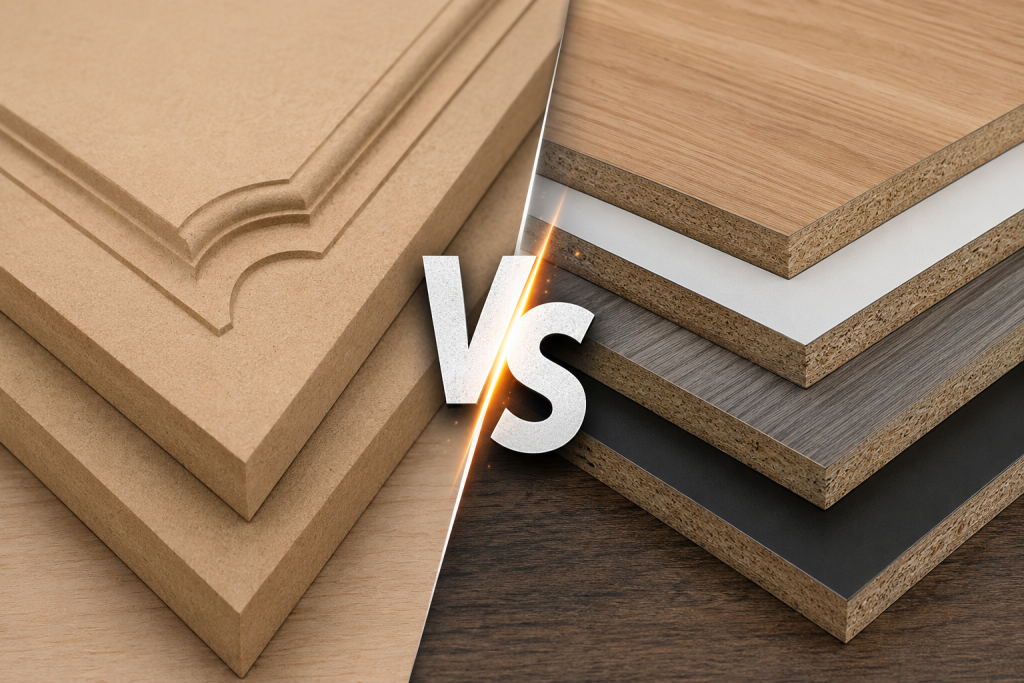

The main difference between MDF, medium-density fiberboard, and melamine board is core material and surface finish. MDF is a smooth engineered wood fiber panel that needs paint or veneer for protection. Melamine board usually uses a particleboard or MDF core with a hard resin-coated surface, which resists scratches and moisture while accepting stain better for cabinets and shelving.
MDF and melamine board serve different jobs in a woodworking project. MDF gives you a smooth, unfinished panel that works well for routed details and custom paint. Melamine board gives you a durable, factory-finished surface that can move from cutting to assembly with little added finishing work.
The key point is that these materials are not direct equivalents. MDF is a panel substrate. Melamine is a decorative surface fused to a core, which is often MDF or particleboard. Choose MDF when shape and finish control matter most. Choose melamine board when you need flat, finished parts and a faster production process.
Quick Skim: MDF vs Melamine Board
| Decision Factor | MDF | Melamine Board | Best Choice |
|---|---|---|---|
| Surface | Raw and smooth | Factory-finished | Melamine for faster production |
| Appearance | Must be painted, veneered, or laminated | Available in solid colors, patterns, and wood looks | Depends on the design |
| Routing and shaping | Handles detailed profiles well | Best for flat parts | MDF |
| Scratch and stain resistance | Depends on the applied finish | Hard, easy-care surface | Melamine |
| Cutting | Cuts and routes cleanly with the right tooling | Surface can chip without the right blade and setup | MDF for custom machining |
| Edge treatment | Edges must be sealed and finished | Cut edges usually need edgebanding | Depends on the workflow |
| Moisture exposure | Standard MDF can swell if exposed | Surface offers protection, but exposed core and edges can swell | Neither for unprotected wet use |
| Upfront panel cost | Often lower | Often higher | MDF |
| Total finished cost | Includes primer, paint, labor, and drying time | Can skip most finishing steps | Often melamine |
| Best uses | Painted doors, routed panels, molding, custom components | Cabinet boxes, closets, shelving, office furniture, fixtures | Depends on the part |
What Is MDF?
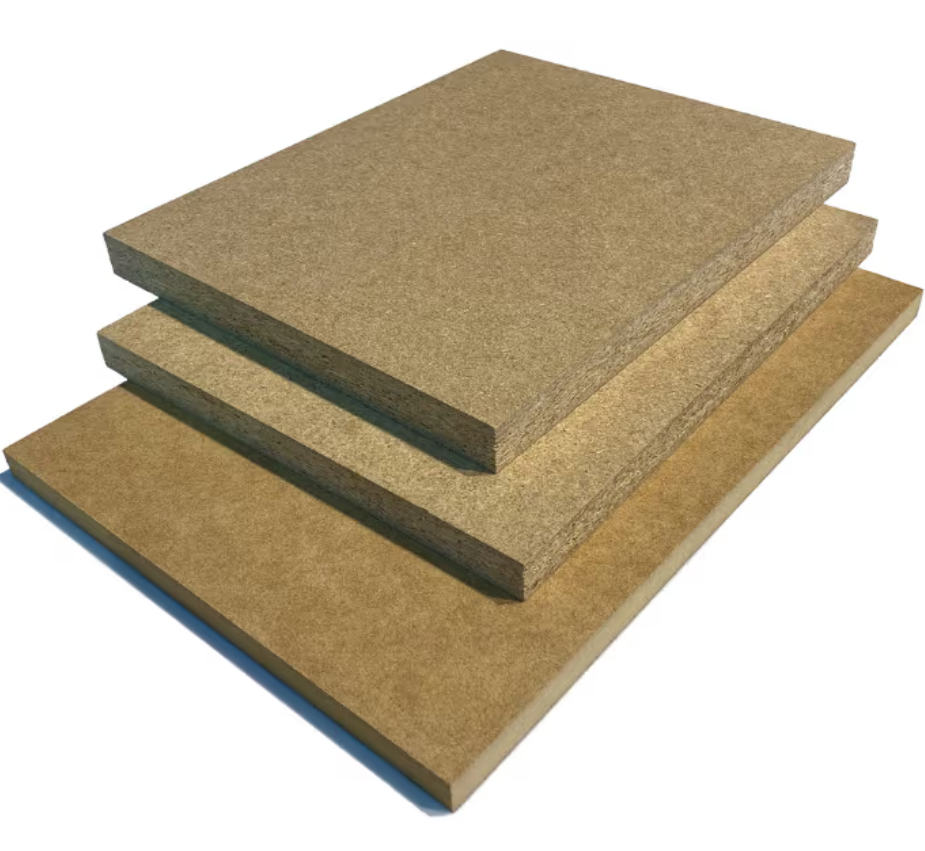
Medium-density fiberboard, or MDF, is an engineered panel made from wood fibers combined with resin and pressed under heat and pressure. It has no natural grain, knots, or voids. This creates a smooth and consistent panel for precision work.
MDF works well when a shop needs:
- Routed cabinet doors
- Decorative wall panels
- Painted furniture parts
- Molding and millwork
- Store fixtures
- Veneered components
- Parts with detailed edge profiles
Its consistent density helps it hold tight tolerances during routing and machining. The smooth face also provides a strong base for paint, veneer, laminate, and other finishes.
Raw MDF is not a finished surface. Shops must plan for sanding, edge preparation, priming, painting, veneering, or laminating before installation.
What Is Melamine Board?
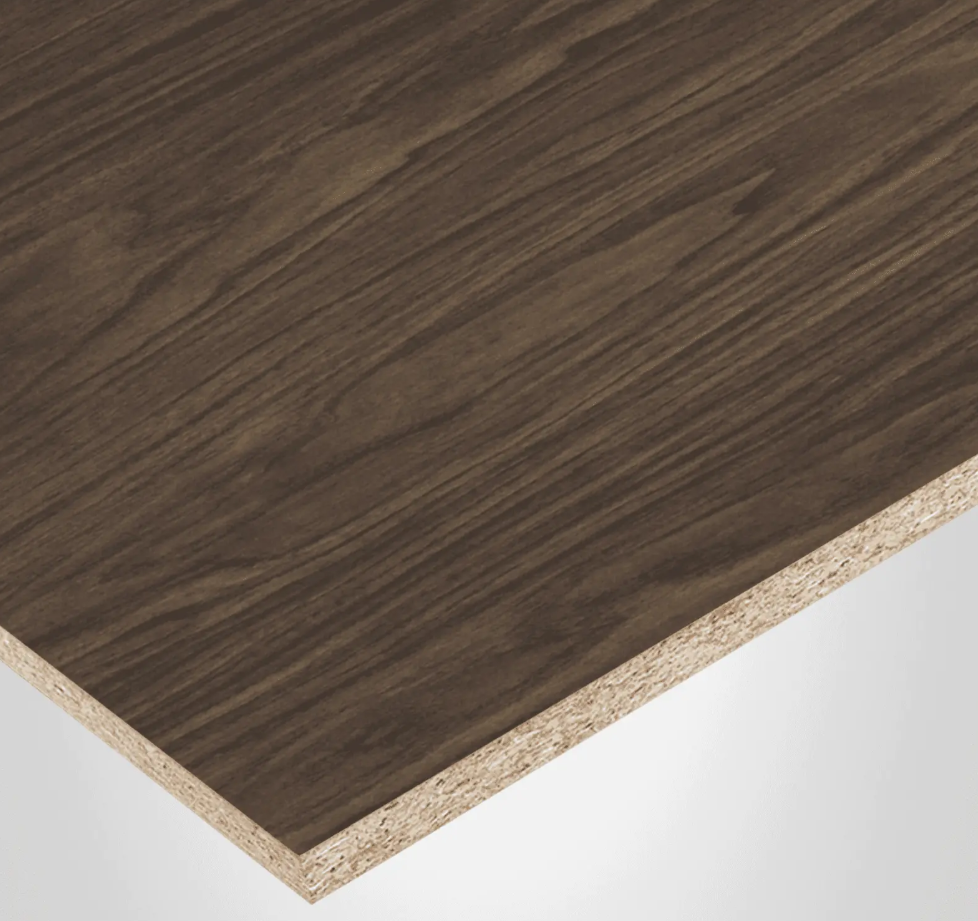
Melamine board is a prefinished decorative panel. Manufacturers saturate decorative paper with resin and fuse it to an MDF or particleboard core using heat and pressure. The finished product is also called thermally fused laminate, or TFL.
The surface can feature:
- Solid colors
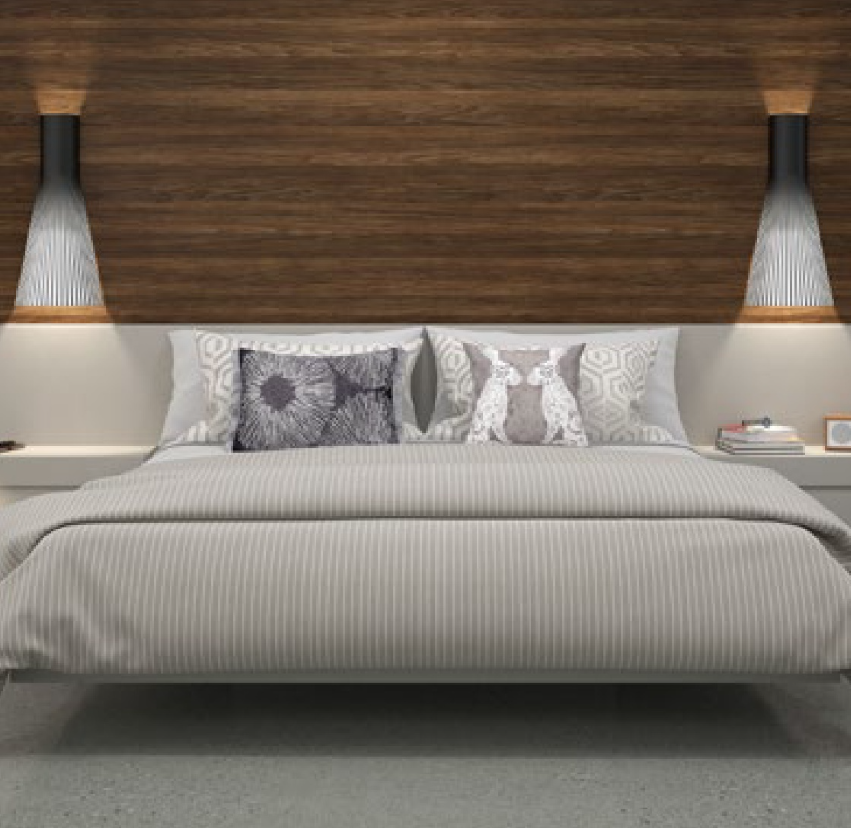
- Wood-grain designs
- Fabric-inspired patterns
- Matte finishes
- Gloss finishes
- Embossed textures
Melamine panels always come finished on both faces. Shops can cut the parts, apply edgebanding, bore for hardware, and move into assembly without adding paint or another decorative surface. This can shorten production time for casework, closets, shelving, and commercial fixtures.
The core still matters. A melamine panel with an MDF core will machine, weigh, and hold fasteners differently than one with a particleboard core. Always check the panel specifications instead of choosing by surface color alone.
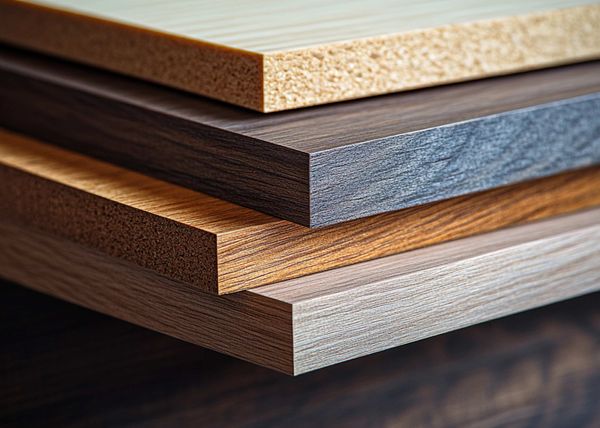
MDF vs Melamine Board by Buying Factor
Finish and Appearance
Choose MDF when the project requires a custom paint color, routed design, veneer, or specialty finish. MDF acts as a blank surface that a shop can match to a specific design package.
Choose melamine when the project calls for a repeatable factory finish. The surface arrives in its final color and texture, which helps reduce variation between parts and production runs.
Melamine can also simplify projects that need matching cabinet interiors, dividers, shelves, and exposed panels. Würth Baer Supply offers melamine panels in a range of colors, sizes, surface styles, and core configurations.
Machining and Fabrication
MDF is the better option for routed profiles and detailed shapes. Its uniform fiber structure lets cutters produce smooth curves, grooves, raised profiles, and decorative edges. This makes MDF a common choice for painted cabinet doors and millwork.
Melamine works best for flat components. Cabinet sides, shelves, partitions, backs, and slab-style parts can move through a panel saw, CNC router, boring machine, and edgebander with an efficient workflow.
The melamine face requires the right cutting setup. Use a sharp blade designed for melamine or laminate. A high alternate top bevel blade or a production scoring setup can help control chips on the decorative surface.
Support the full sheet during cutting. Keep blades clean and sharp. Check the finished edge before running a full batch.
Durability and Maintenance
Raw MDF has little surface protection. Paint, laminate, veneer, or another finish must provide resistance to stains, scratches, and daily wear.
Melamine has a hard decorative face that resists many common scratches and stains. It also wipes clean easily, which makes it useful for cabinet interiors, office furniture, closets, retail fixtures, and other high-use surfaces.
Melamine is not damage-proof. A hard impact can chip the face or expose the core. Repairing a damaged pattern can also be harder than touching up a painted MDF part.
Consider the type of wear the finished product will receive. For flat interior parts that need easy cleaning, melamine often offers the better surface. For parts that may need future repainting or refinishing, MDF provides more flexibility.
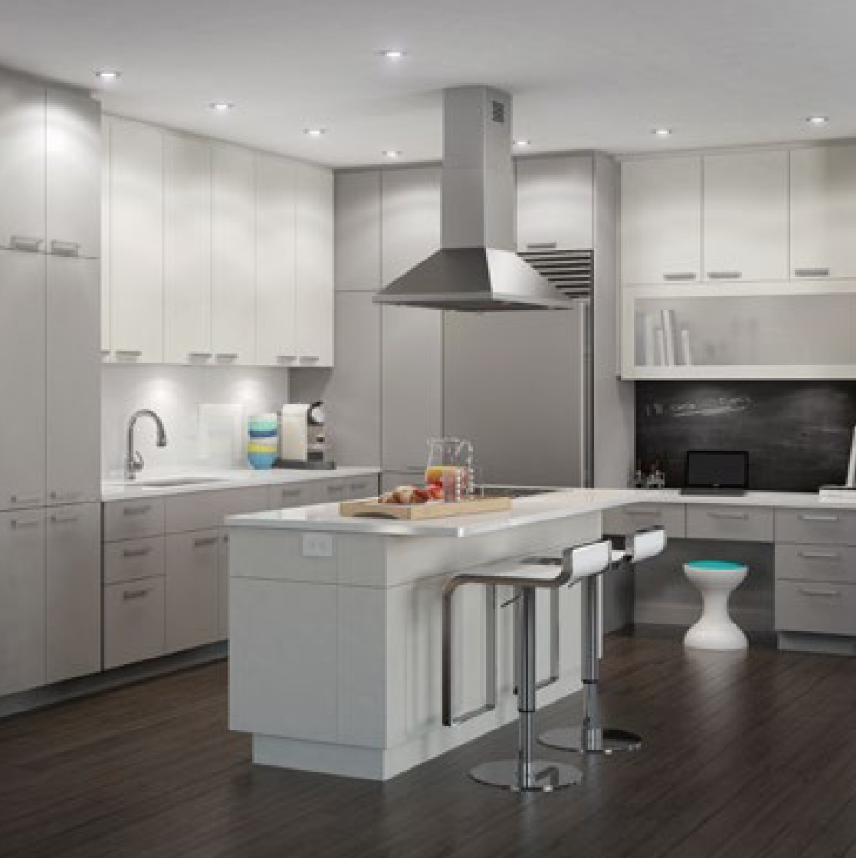
Moisture Resistance
Standard MDF and standard melamine panels are interior products. Both can swell when water reaches the core.
The melamine face creates a useful barrier, but cut edges, drilled holes, joints, and damaged areas can still let moisture reach the MDF or particleboard below. Seal exposed areas and apply edgebanding where needed.
Do not assume that a melamine surface makes a panel waterproof. For kitchens, bathrooms, utility rooms, or other damp spaces, check whether the panel core carries a moisture-resistant rating. Follow the panel manufacturer’s limits for use.
For damp or humid interior applications, Würth Baer Supply also offers MR-50 moisture-resistant MDF. MR-50 board is engineered to resist elevated moisture and humidity better than standard MDF while maintaining the smooth machining and finishing qualities fabricators expect. It is a practical option for cabinetry, millwork, and other interior components in moisture-prone areas.
However, MR-50 MDF is moisture resistant, not waterproof, so it still requires proper sealing and should not be used where panels will face continuous water exposure.
Project Cost
Raw MDF often costs less per sheet than a comparable decorative melamine panel. The sheet price, however, does not show the full production cost.
An MDF project may also require:
- Sanding
- Edge sealing
- Primer
- Paint or another finish
- Spray equipment
- Drying space
- Additional handling
- Touch-up labor
Melamine costs more as a finished panel, but it can remove several finishing steps. Manufacturers position TFL panels as a way to cut parts, apply edgebanding, and move into assembly without an in-house laminating or finishing line.
Compare the cost of a completed part, not just the cost of a sheet. Melamine may provide the lower total cost for cabinet boxes, closet systems, and repeat production. MDF may provide better value when a project needs routed details or a custom painted finish.
Edge Treatment
MDF edges are porous. They often absorb more primer and paint than the panel face. Seal and sand the edges before applying the final finish.
Melamine edges expose the core after cutting. Most finished applications require edgebanding to protect the edge and create a complete appearance.
Match the edgebanding to the panel color and texture. Also check the required width, thickness, adhesive type, and application temperature before production. A matched panel and edgebanding system can reduce touch-ups and create a more consistent finished product.
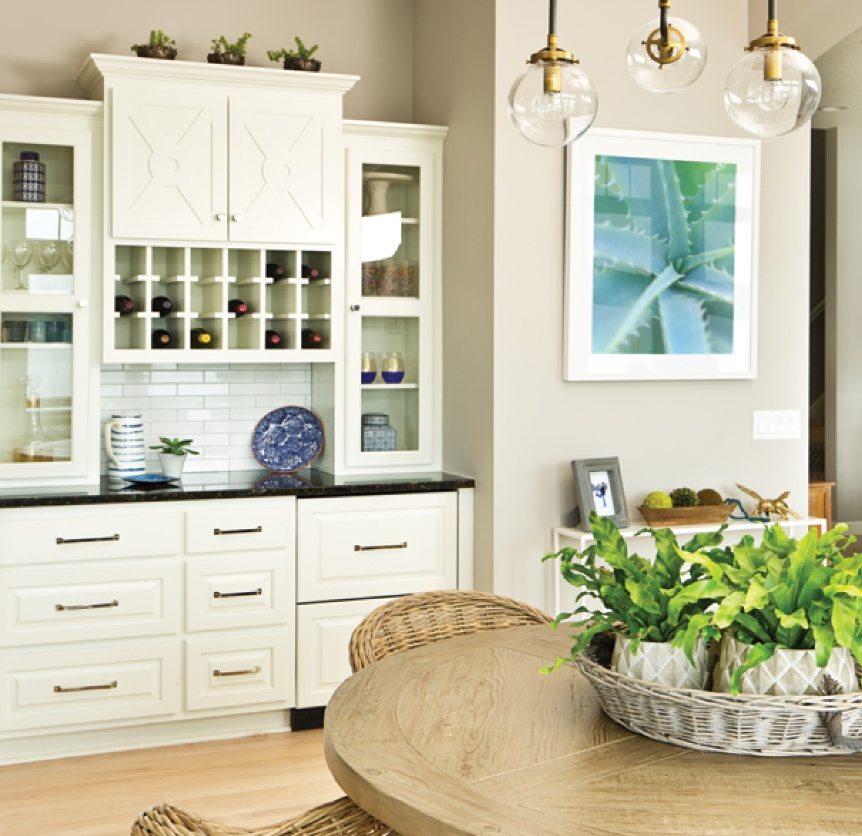
When Should You Use MDF?
Use MDF when the shape of the part matters more than production speed.
MDF is often the better choice for:
- Painted cabinet doors
- Routed center panels
- Decorative end panels
- Baseboards and molding
- Custom wall panels
- Painted furniture
- Veneered components
- Curved or shaped interior parts
It also works well when the customer requires an exact paint color. A shop can prime and paint MDF to match walls, trim, cabinetry, or branded commercial interiors.
Choose the correct MDF grade for the job. Standard, premium, moisture-resistant, fire-rated, and other specialty panels serve different applications. The Composite Panel Association notes that manufacturers can engineer MDF with different physical properties and dimensions.
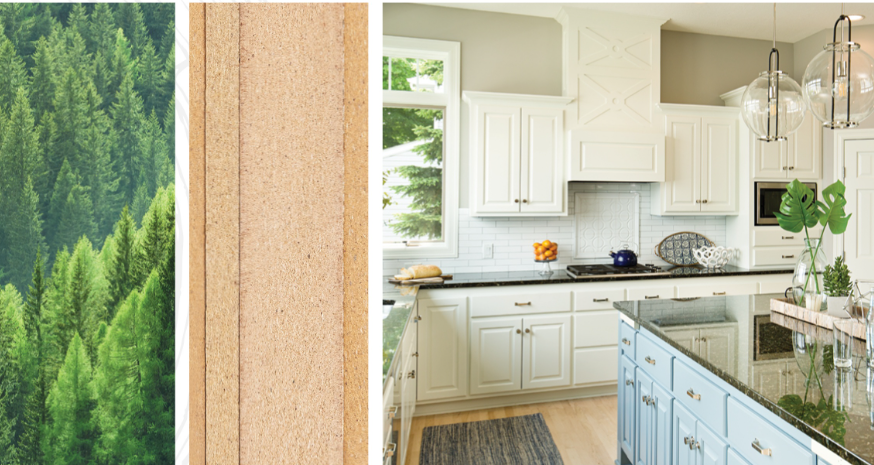
When Should You Use Melamine Board?
Use melamine when the project needs a flat, finished, and easy-care surface.
Common applications include:
- Cabinet boxes
- Closet organizers
- Garage cabinets
- Pantry shelving
- Office desks
- Retail fixtures
- Commercial casework
- Storage units
- Interior partitions
- Slab-style components
Melamine can improve throughput because the decorative face arrives complete. The shop still needs to cut, bore, edge, and assemble the parts, but it can often skip sanding, priming, spraying, and drying.
This makes melamine a strong choice for repeat production and jobs with tight labor targets.
Can You Get Melamine on an MDF Core?
Yes. Melamine decorative paper can be fused to either MDF or particleboard. Würth Baer Supply lists melamine products with both types of cores.
A melamine-faced MDF panel combines a finished decorative face with the dense, uniform characteristics of an MDF core. It may suit applications that need a smoother core, thinner panels, or more precise machining than a standard particleboard-core panel can provide.
A particleboard-core melamine panel often offers a practical and cost-effective choice for cabinet boxes, shelving, and flat furniture components.
Compare the core based on:
- Panel thickness
- Finished part weight
- Fastener requirements
- Machining method
- Edge quality
- Span and load needs
- Project specifications
- Required certifications
Follow the hardware and panel manufacturers’ recommendations for pilot holes, screw types, insertion depth, and edge distance.
Shop Tips for Better Results
When Working With MDF
Use effective dust collection at saws, routers, sanders, and CNC equipment. OSHA recommends engineering controls, including exhaust ventilation at the point where dust forms, as the preferred way to control wood dust exposure.
Seal MDF edges before applying paint. Test the full finishing process on an offcut, including primer, sanding, topcoat, and drying time.
Also confirm that regulated composite panels meet current emission requirements. EPA rules require regulated MDF, particleboard, and hardwood plywood products sold in the United States to meet TSCA Title VI requirements unless an exemption applies.
When Working With Melamine
Use a blade designed for coated panels. Check scoring blade alignment on production equipment. Replace or sharpen tooling before edge quality starts to fall.
Protect the panel faces during storage and handling. Keep sheets flat and dry. Apply edgebanding to exposed edges and inspect corners before assembly.
Run a test part before cutting the full job. Confirm chip quality, boring accuracy, edge adhesion, grain direction, and color orientation.
MDF or Melamine: Which Should You Buy?
Choose MDF when you need custom routing, decorative details, or a painted finish.
Choose melamine board when you need durable flat surfaces, repeatable colors, simple cleaning, and fewer finishing steps.
Many cabinet and woodworking shops use both materials in the same project. A shop may build cabinet boxes from melamine and use painted MDF for doors, finished ends, and decorative trim. This approach puts each panel where it adds the most value.
Before ordering, compare the core, thickness, sheet size, surface, finish, edge treatment, moisture exposure, and total production labor. Würth Baer Supply carries MDF panels, melamine panels, edgebanding, cutting tools, adhesives, and other supplies for professional cabinet and woodworking production.
Final Takeaway: MDF vs Melamine Board
MDF provides the best flexibility for custom shapes and painted finishes. Melamine board provides the best production efficiency for flat, prefinished components.
Do not make the decision based on sheet price alone. Choose the panel that reduces the total cost of producing a finished, durable part.