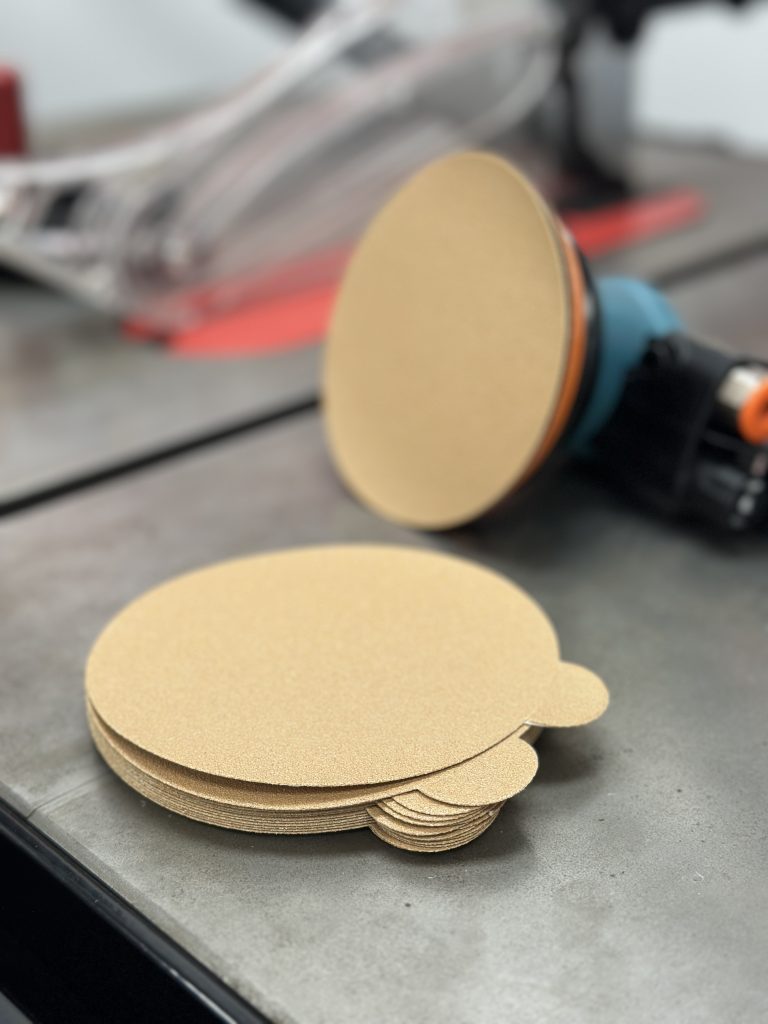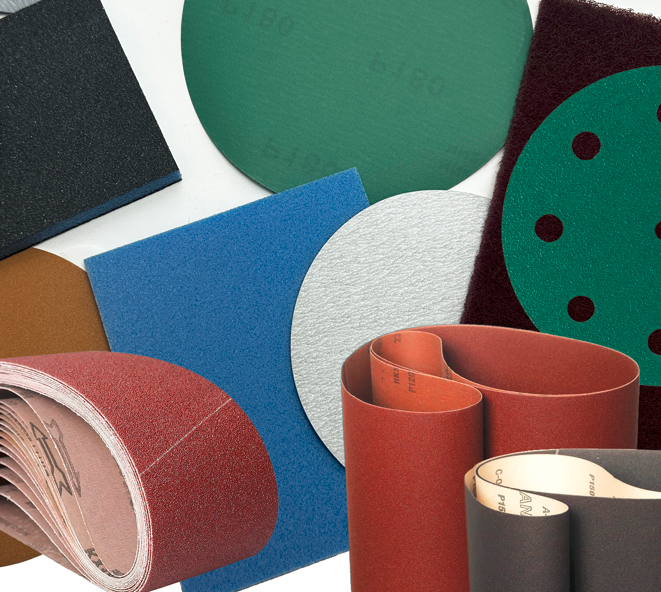

Abrasives are a critical part of the finishing process in woodworking and cabinetry. The sanding disc you choose directly affects sanding speed, finish quality, dust control, and overall shop efficiency.
Many shops select abrasives based only on price. In reality, the best choice depends on the type of work being done, the expected lifespan of the disc, and the surface quality required.
Würth Baer Supply offers multiple abrasive disc systems designed for different shop needs. Each line balances cost, durability, and performance in different ways.
This guide explains how to choose the right abrasive so your shop can sand faster, reduce disc waste, and produce cleaner finishes.

Quick Skim: Picking Abrasives
| Abrasive Line | Backing Type | Best For | Key Advantage |
|---|---|---|---|
| Würth Onyx | C-weight paper | High volume sanding | Lowest cost, aggressive initial cut |
| Würth Gold | C-weight paper | General sanding | Balanced durability and price |
| Würth Emerald | Film backing | Precision sanding | Long life and tear resistance |
| Würth Net | Mesh abrasive | Dust sensitive finishing | Maximum dust extraction |
The “Good, Better, Best” System for Abrasives
Würth abrasives follow a simple Good, Better, Best performance system that makes it easier to match the abrasive to the task.
- Good – Onyx: Affordable and aggressive cutting power
- Better – Gold: Balanced durability and performance
- Best – Emerald: Premium longevity and finish quality
Each option uses premium aluminum oxide abrasives, but the backing materials and coatings determine how long the disc lasts and how smoothly it sands.

1. Economy Production Sanding
Würth Onyx Abrasive Discs
Best for: High-volume sanding where discs are used quickly and replaced often.
Würth Onyx discs are built with a C-weight latex-impregnated paper backing, which is stronger than lighter A or B weight sanding papers. This construction provides durability while maintaining flexibility.
These discs feature aluminum oxide abrasive grains designed for aggressive initial cutting, making them ideal for production sanding where the same grit is used repeatedly.
Key Advantages
- Strong initial cut for rapid material removal
- Cost-effective option for high-volume shops
- Durable C-weight latex paper backing
- Balanced performance for everyday sanding tasks
Best Applications
- Initial sanding passes
- Production sanding workflows
- Shops that cycle through discs quickly
2. Everyday Shop Sanding
Würth Gold Abrasive Discs
Best for: General sanding across a wide range of shop tasks.
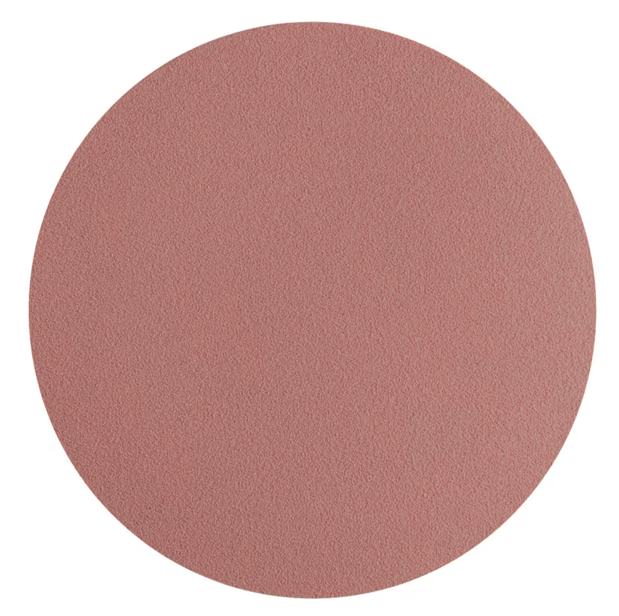
Würth Gold discs represent the industry standard for balanced sanding performance. They also use a C-weight latex-impregnated paper backing, but with higher durability and longer lifespan than economy discs.
Gold discs use premium heat-treated aluminum oxide abrasives, providing consistent cutting performance and smoother finishes from start to finish.
According to the Würth abrasives catalog, Gold discs can last two to three times longer than lightweight paper discs.
Key Advantages
- Long-lasting sanding performance
- Consistent cutting action throughout the disc life
- Flexible, water-resistant latex paper backing
- Excellent balance between cost and durability
Best Applications
- Cabinet and furniture sanding
- Surface preparation
- Finish sanding before coating
3. Premium Long-Life Sanding
Würth Emerald Film Discs
Best for: Precision sanding and shops seeking maximum disc lifespan.
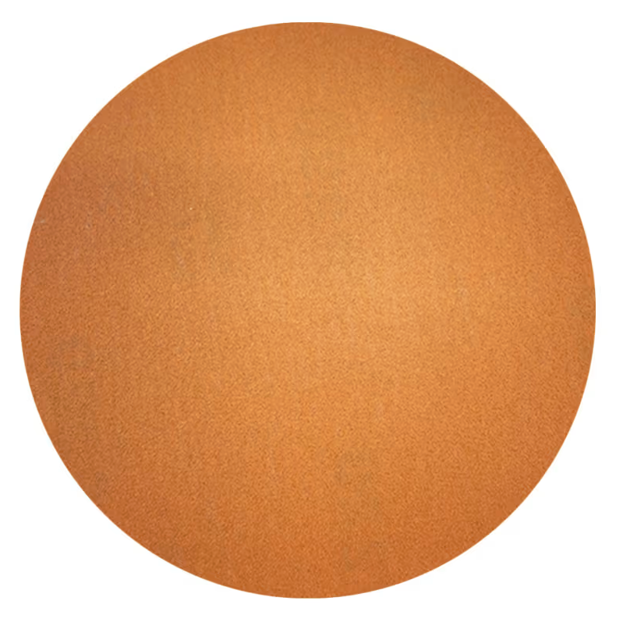
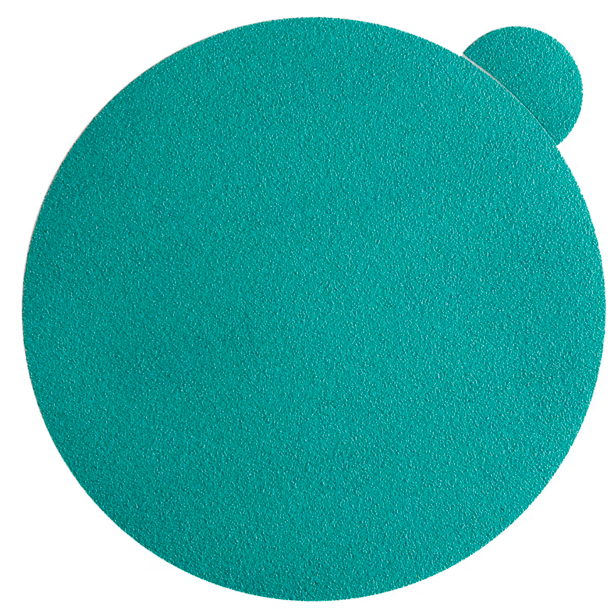
Würth Emerald discs upgrade the backing material from paper to film backing, dramatically improving durability and performance.
Film backing allows the abrasive grains to be applied more evenly across the surface, resulting in consistent sanding patterns and longer abrasive life.
Emerald discs can last up to nine times longer than lightweight paper discs, making them a strong choice for shops that want maximum value per disc.
These discs also include a stearate coating, which helps prevent clogging and overheating during sanding.
Key Advantages
- Extremely durable film backing
- Long abrasive lifespan
- Stearate coating reduces clogging
- Smooth, consistent sanding results
- Resistant to humidity and moisture
Best Applications
- Fine finish sanding
- Multi-step sanding workflows
- Shops switching between multiple grits
4. Maximum Dust Control
Würth Net Mesh Abrasives
Best for: Dust-sensitive sanding environments and high-end finishing work.
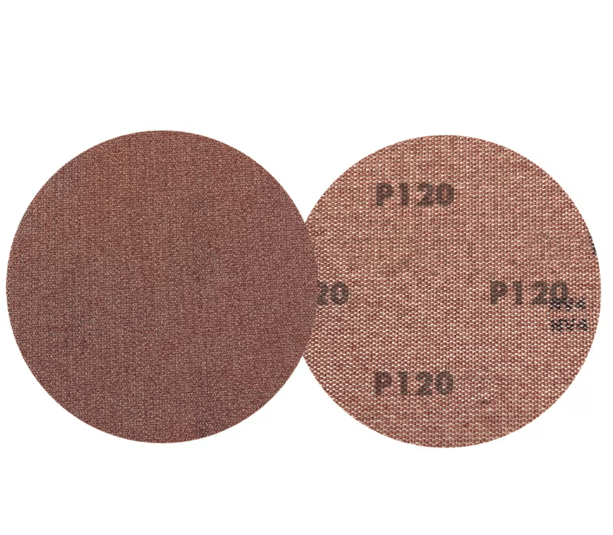
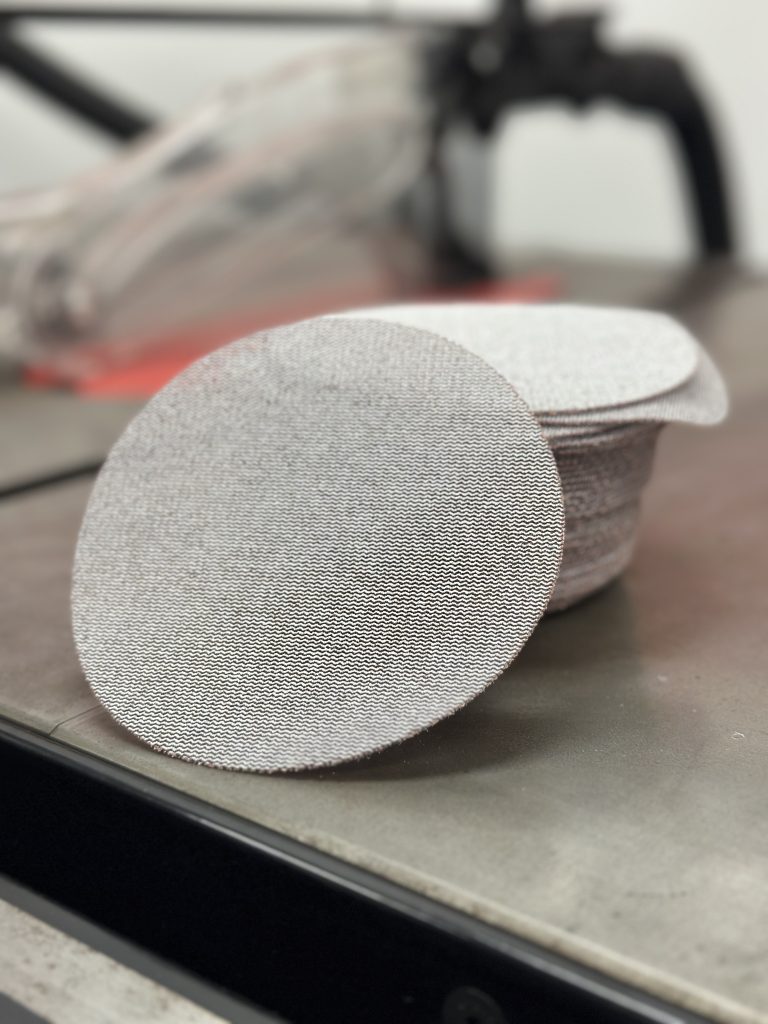
Würth Net abrasives use a woven mesh backing instead of traditional paper or film. Aluminum oxide abrasive grains are embedded into the mesh fibers.
This design allows dust to pass through the entire surface of the disc rather than only through pre-cut holes.
When paired with a vacuum sander, mesh abrasives provide the highest level of dust extraction available, helping maintain a clean sanding environment.
Key Advantages
- Maximum dust removal
- Reduced abrasive clogging
- Improved visibility during sanding
- Cleaner sanding surfaces before finishing
Best Applications
- Sanding before topcoat
- High-end cabinetry finishing
- Solid surface fabrication
- Shops using vacuum sanders
How to Choose the Right Abrasive for Your Shop
The best abrasive depends on how your shop works.
High Volume Production
If your shop burns through discs quickly during heavy sanding, Onyx discs provide the most economical option.
Everyday Sanding Work
For balanced durability and performance across many jobs, Gold discs are the most versatile choice.
Long Life and Premium Finish
If you want discs that last longer and produce smoother results, Emerald film discs deliver the best performance.
Dust Sensitive Finishing
If dust control is critical before finishing or coating, Net abrasives offer unmatched extraction capability.
Final Thoughts: How to Pick the Right Abrasives for Sanding and Finishing
Choosing the right sanding abrasive can significantly improve your shop’s productivity and finish quality.
Würth’s abrasive lineup gives shops a clear progression of options:
- Onyx for economical high-volume sanding
- Gold for balanced everyday performance
- Emerald for premium durability and finish quality
- Net Mesh for maximum dust extraction
Matching the abrasive to the job helps reduce disc waste, improve sanding results, and keep your finishing process running efficiently.