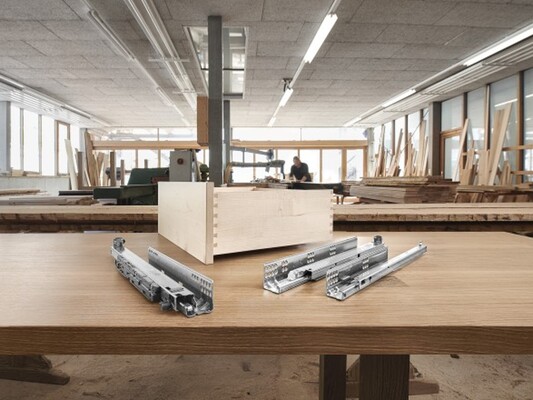

The main difference between undermount and side mount drawer slides is where the hardware installs and how that affects performance, appearance, and installation.
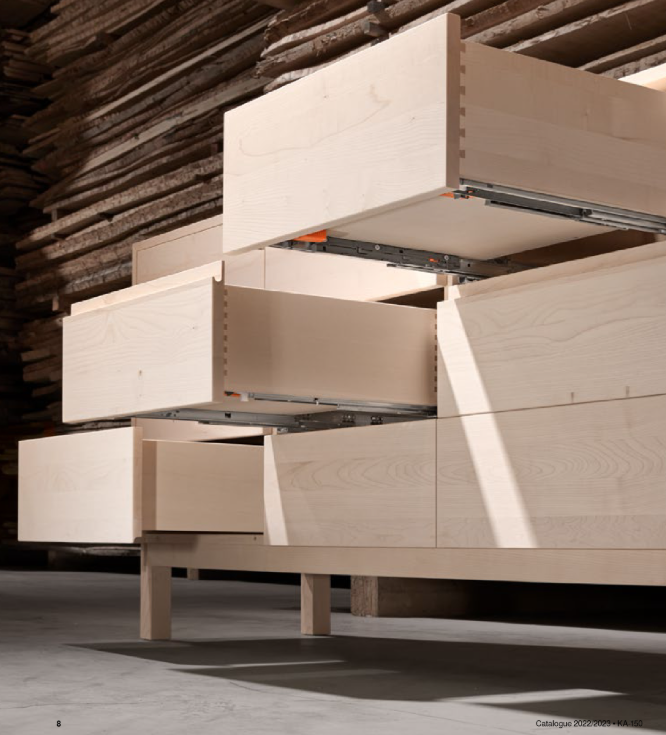
Undermount drawer slides attach beneath the drawer and remain hidden, delivering a clean look, smooth operation, and maximum interior space.
Side mount drawer slides attach to the drawer sides, making them visible when opened but typically easier to install, more forgiving, and more cost-effective.
Both systems are proven industry standards, but each serves different priorities depending on the cabinet design, budget, workload, and expectations of the finished project.
Quick Skim: Undermount vs Side Mount Drawer Slides
| Criteria | Undermount Slides | Side Mount Slides |
|---|---|---|
| Mounting Location | Beneath the drawer | Attached to drawer sides |
| Visibility | Completely hidden | Visible when drawer is open |
| Storage Space Impact | Maximizes interior width | Reduces interior width |
| Weight Capacity | Moderate to high | Moderate to very high |
| Smoothness & Noise | Very smooth and quiet | Good, varies by quality |
| Installation Difficulty | Higher precision required | Generally easier |
| Adjustability | Often includes fine adjustments | Limited adjustment options |
| Cost | Higher | Lower |
| Typical Extension | Full extension common | Partial or full extension |
| Best Applications | Premium cabinetry | Budget or utility cabinetry |
What Are Undermount Drawer Slides?
Undermount slides install beneath the drawer box, attaching to the cabinet sides and locking to the underside of the drawer front. Because the hardware is concealed, the drawer appears to float when opened.
This system is widely used in high-end kitchens, baths, and furniture where appearance and smooth performance matter.
Professional Advantages
- Clean, hardware-free appearance
- Maximum usable drawer width
- Smooth, controlled motion
- Quiet operation
- Soft-close commonly integrated
- Full extension access
- Higher perceived cabinet quality
Because no side clearance is required, more interior space remains available for storage. This can be important in narrow base cabinets or when maximizing capacity.
Tradeoffs
- Higher material cost
- Precise drawer construction required
- Specific bottom thickness and notching may be needed
- Less tolerant of installation errors
- Potential vertical clearance constraints
Undermount slides reward precision. When built correctly, they deliver premium performance. When dimensions are off, installation becomes difficult.
What Are Side Mount Drawer Slides?
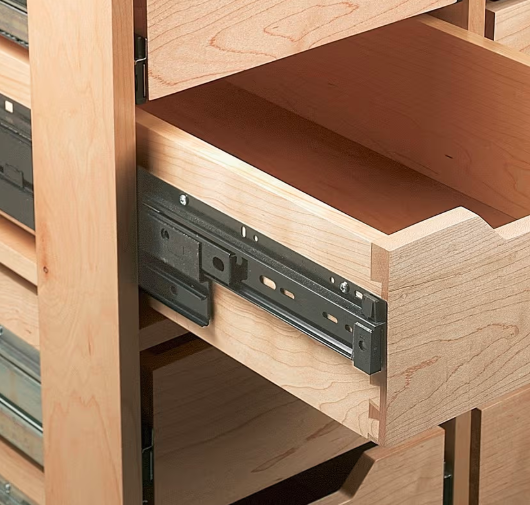
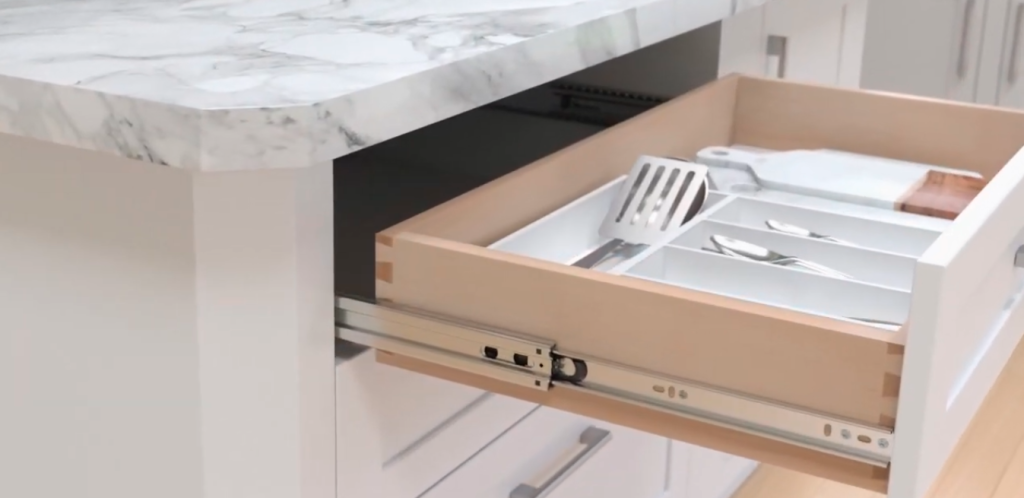
Side mount slides attach directly to the left and right sides of the drawer box and the cabinet interior. They are visible when the drawer is open and have been the workhorse solution in cabinetry for decades.
They remain common in residential projects, commercial installations, shop cabinetry, and retrofits.
Professional Advantages
- Lower cost
- Broad compatibility with cabinet styles
- Easier installation
- Strong load capacity options
- Simple replacement in existing cabinets
- Good for utility applications
Side mount slides are forgiving. Minor dimensional variations rarely prevent installation.
Drawbacks
- Visible hardware
- Reduced drawer interior width
- Operation quality varies by grade
- Less refined feel compared to premium undermount systems
Because the slides occupy space on both sides, interior storage capacity decreases slightly. In large drawers this may be negligible. In small drawers it can matter.
Key Differences Explained
Aesthetics and Visibility
Undermount slides are completely concealed, delivering a clean, modern look that clients associate with high-end cabinetry.
Side mount slides remain visible when opened. In utility areas this is rarely a concern. In premium kitchens it often is.
Storage Capacity
Undermount systems preserve drawer width because they sit below the box.
Side mounts require clearance on both sides, reducing usable interior space. For shallow or narrow drawers, this difference becomes noticeable.
Performance and Smoothness
High-quality undermount slides provide exceptionally smooth, controlled motion with integrated soft-close damping.
Side mount slides can also perform well, especially ball-bearing designs, but operation varies more by price tier and manufacturer.
Weight Capacity and Durability
Both systems can handle substantial loads when properly specified.
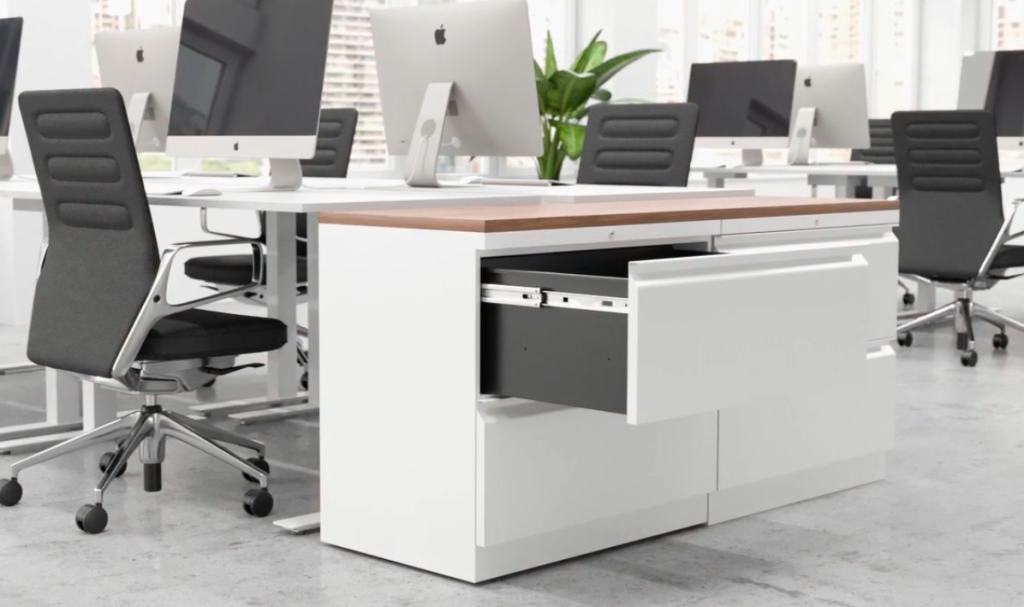
Heavy-duty side mounts often support very high weight ratings, making them popular for file drawers, tool storage, and commercial use.
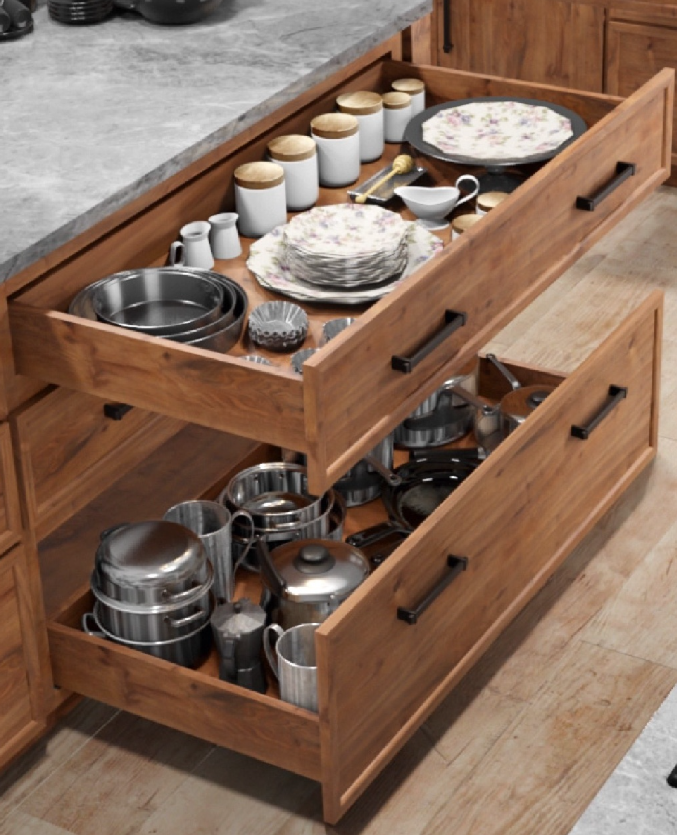
Premium undermount slides are more than adequate for typical residential applications, including deep kitchen drawers filled with cookware.
Installation and Adjustability
Side mount slides typically install faster and tolerate slight dimensional inconsistencies.
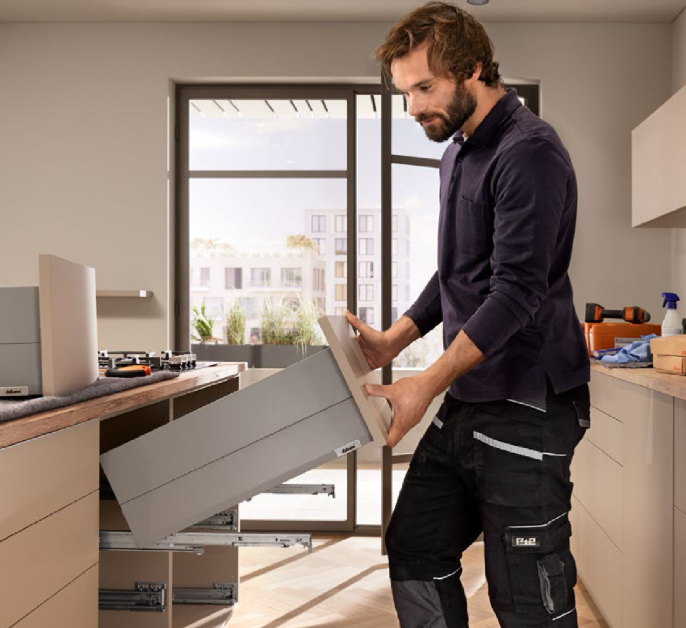
Undermount systems demand precise drawer construction and alignment but often include built-in adjustment features for fine tuning drawer position after installation.
Cost Considerations
Undermount slides carry a higher upfront cost due to engineering complexity and integrated mechanisms.
Side mount slides remain the budget-friendly choice, especially for large projects or cost-sensitive builds.
Extension and Accessibility
Many undermount slides provide full extension, allowing access to the entire drawer contents.
Side mount slides are available in both partial and full extension models. Lower-cost options often stop short of full access.
Best Use Cases for Each Type
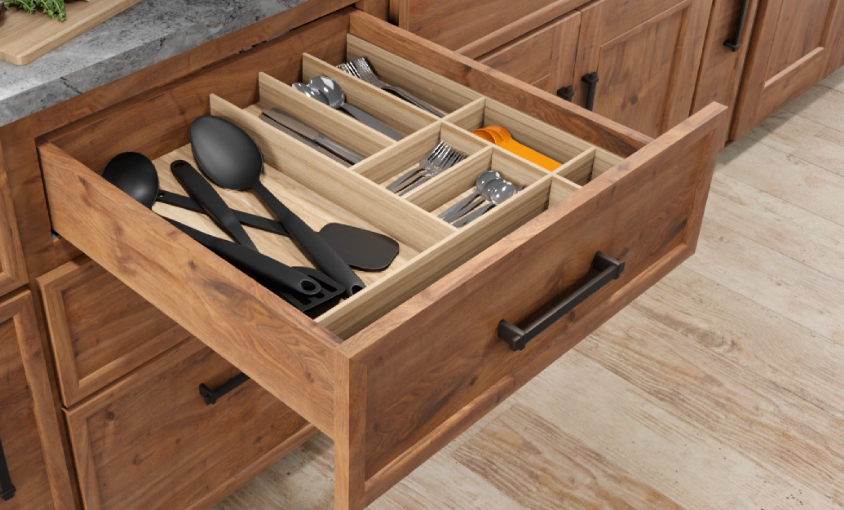
Choose Undermount Slides When:
- Building premium kitchen or bath cabinetry
- Appearance matters
- Full access and soft-close are priorities
- Maximizing drawer space is important
- Clients expect high-end hardware
- You want a modern concealed look
Choose Side Mount Slides When:
- Budget constraints are significant
- Retrofitting existing cabinets
- Building utility, garage, or shop storage
- Drawer construction is non-standard
- Speed of installation matters
- Extremely high load ratings are required
How to Choose for Your Project
Selecting the right slide system comes down to matching performance to project goals.
Consider these factors:
Cabinet Construction
Frameless cabinets often pair well with undermount systems. Face frame cabinets can use either, depending on clearances and hardware selection.
Drawer Box Design
Undermount slides require specific dimensions and construction details. Side mounts accommodate a wider range of box styles.
Load Requirements
Heavy commercial or tool storage may favor heavy-duty side mounts. Residential kitchen loads work well with premium undermount systems.
Budget
Large projects with tight margins often lean toward side mounts.
Installation Time
Fast production environments may benefit from the simpler installation of side mounts.
Client Expectations
High-end residential clients typically expect concealed, soft-close drawers.
Final Verdict: Undermount vs Side Mount Drawer Slides
Undermount and side mount drawer slides are both reliable, professional-grade solutions. Neither is universally superior. The best choice depends on the priorities of the build.
Choose undermount slides when appearance, smooth operation, and premium feel drive the project.
Choose side mount slides when cost efficiency, installation speed, and heavy-duty practicality matter most.
When specified correctly, either system will deliver years of dependable performance and satisfied clients.