
A simple guide to AA, A, B, C, D, and E (paint grade) materials and what to expect when you order
If you’ve ever ordered wood panels or hardwood plywood and thought, “This doesn’t look like what I expected,” you’re not alone.
Wood is a natural material, and grading is the system the industry uses to set realistic expectations for appearance, defects, and consistency.
The goal is simple:
Match the right grade to the right job, so you get the look you want without overpaying.
In this guide, we’ll break down the most common wood grading hierarchy, what each grade is best for, and the key grading realities that matter when you’re choosing material for cabinetry, furniture, millwork, and shop projects.
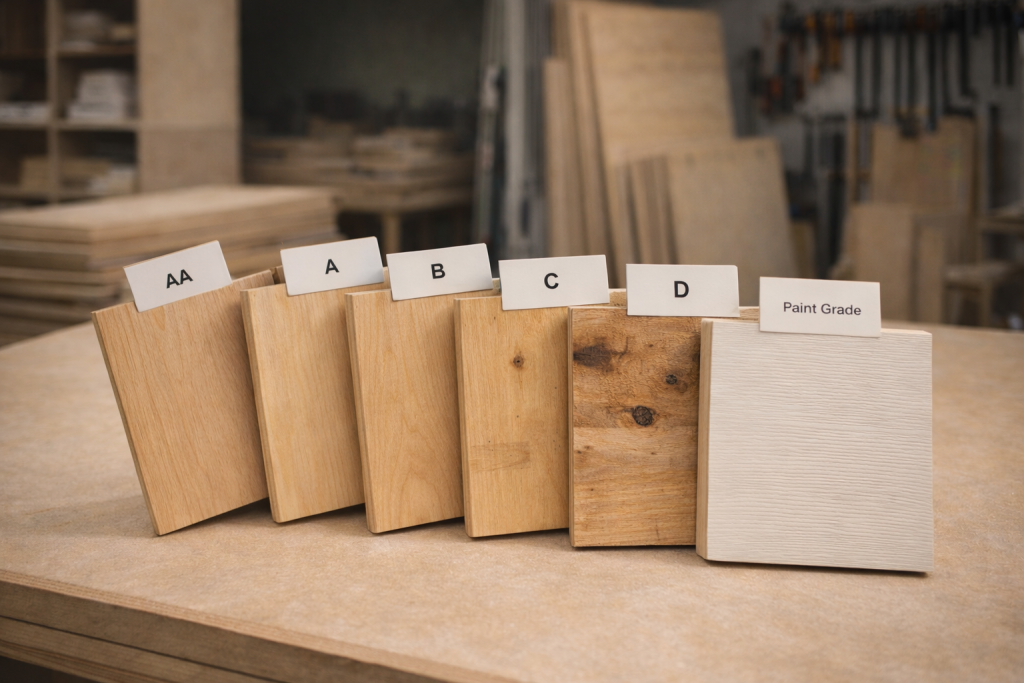
Quick Skim Chart: Grades of Plywood
| Wood Grade | Best For | What It Looks Like | What to Expect |
|---|---|---|---|
| AA | Architectural panels, premium interiors | Very clean and consistent | Rare, minimal defects |
| A | Visible cabinet exteriors, furniture faces | Clean, uniform color | Great for stain/clear coat |
| B | Cabinet interiors, CNC parts, value builds | Natural character, still clean | Best value for most shops |
| C | Budget builds, utility cabinetry | More variation and repairs | Plan to work around defects |
| D | Blocking, hidden parts | Rough and inconsistent | Not meant for visible use |
| E (Paint Grade) | Painted doors, trim, built-ins | Smooth, low visual priority | Best under paint, not stain |
What “Wood Grade” Actually Means
When we talk about “grades of plywood,” we’re usually talking about appearance grading, not strength grading.
Appearance grading focuses on things like:
- Color consistency
- Knot size and frequency
- Mineral streaks
- Worm track
- Repairs and patches
- Grain uniformity
- Veneer matching and panel consistency
Hardwood plywood manufacturers grade panels using criteria like matching, component width, knots, mineral streaks, worm track, bark pockets, vine marks, and rough grain.
So when you order a higher grade, you’re mainly paying for:
More uniform appearance + fewer visible defects + tighter expectations.
AA Grade Wood (Premium Face, Exclusive Use)
AA grade is the highest appearance grade. It’s typically used when you need a premium face for high-end architectural and design work.
Best Uses for AA Grade:
- Architectural wall paneling
- High-end interiors
- Case goods
- Premium furniture builds
In hardwood plywood terms, AA is often described as a premium face grade for exclusive uses.
What to Expect:
- Minimal visible defects
- Very consistent appearance
- Best chance of clean, uniform “wow factor”
What Most Buyers Don’t Realize:
AA is rare to sell and often overlaps with A grade. In many real-world buying decisions, A grade gives you the best return without paying for perfection you don’t truly need.
A Grade Wood (Architectural Grade for Visible Surfaces)
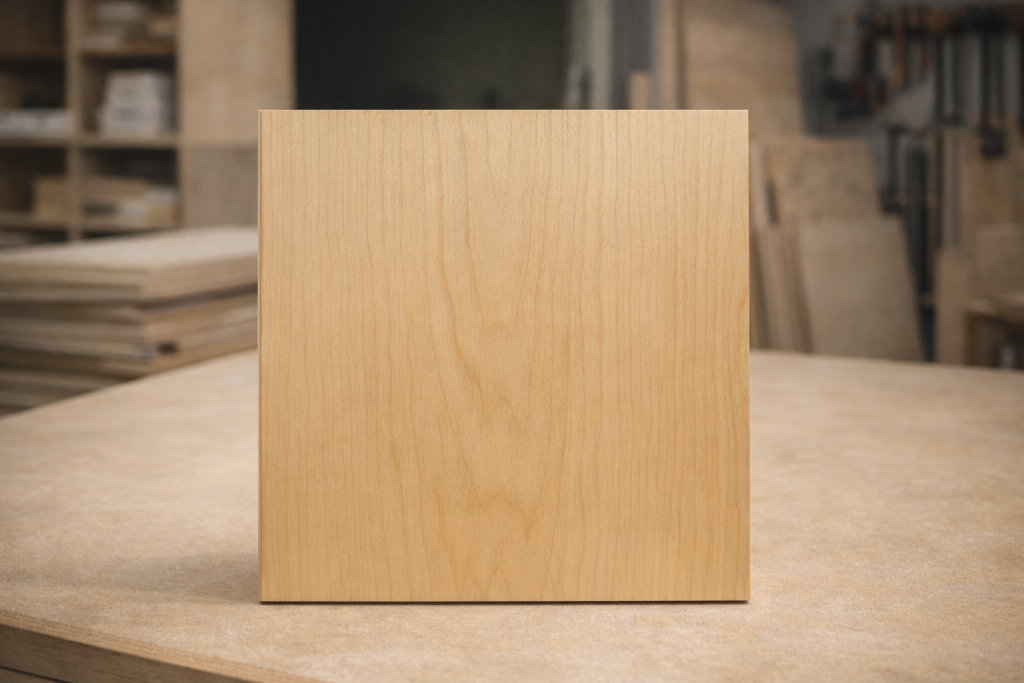
A grade is the sweet spot for most “high-visibility” projects. It’s the grade you choose when appearance matters, but you don’t need ultra-exclusive AA faces.
A grade is commonly used when excellent appearance is important.
Best Uses for A Grade:
- Cabinet exteriors
- Furniture faces
- Reception desks and feature pieces
- End panels and finished sides
- Any surface that will be seen up close
What to Expect:
- Minimal defects
- Better color consistency
- Wider, cleaner veneer components
- Higher confidence for stain or clear coat finishing
Book Matching (Important for “Premium” Jobs)
If you’re building a high-end project where panels are next to each other, you may need book matching, especially on spliced faces.
Book Matching Matters When:
- Panels are sequenced side-by-side
- The customer wants a “mirror” grain flow
- The job is architectural or design-driven
B Grade Wood (Best Value for Shops and Production Work)
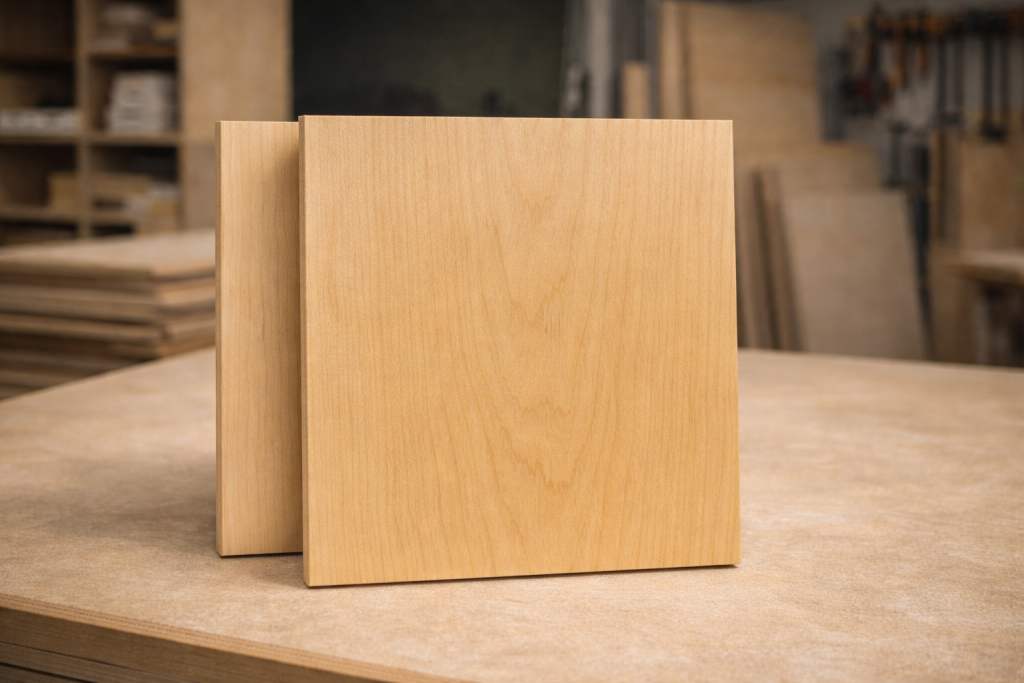
B grade is a practical, high-value option for projects where you want a clean look, but you’re not chasing perfection.
In hardwood plywood grading, B grade is commonly positioned as a grade where the natural characteristics are pleasing, and it can be very uniform for production work.
Best Uses for B Grade:
- Cabinet interiors
- General shop cabinetry
- CNC nested-based manufacturing
- Shelving and casework
- Furniture parts where the face matters, but not “architectural perfect”
What to Expect:
- More natural character than A grade
- Good overall appearance
- Often excellent for CNC because it’s consistent enough to look clean after cutting
Pricing isn’t always perfectly linear. Availability and yield can shift the value.
C Grade Wood (Cost-Effective, More Natural Variation)
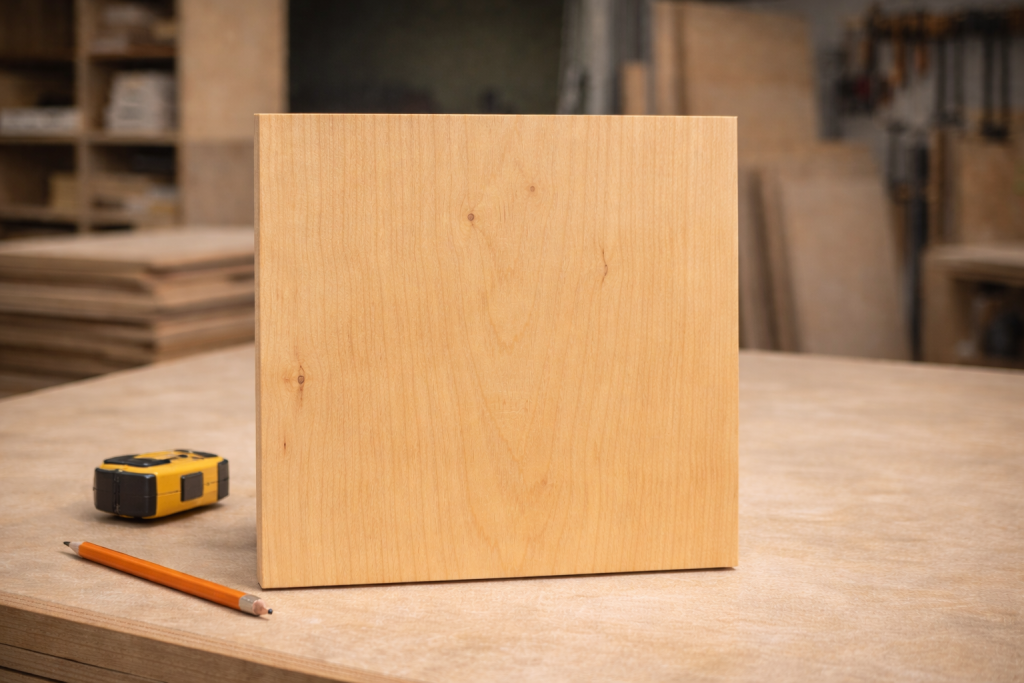
C grade is where you start prioritizing budget and usability over visual consistency.
In hardwood plywood terms, C grade commonly allows unlimited color and increased natural characteristics, and it may require “work-arounds” during fabrication.
Best Uses for C Grade:
- Utility cabinetry
- Garage cabinets
- Shop fixtures
- Interior parts that aren’t a focal point
- Projects where you can cut around defects
What to Expect:
- Bigger color swings
- More visible mineral streaks and natural features
- More repairs or patched areas (depending on the product line)
Pro Tip for Cabinetmakers:
If you’re using C grade for visible parts, plan your cut list like a pro:
- Put “best face” areas on doors and end panels
- Put “character” areas on toe kicks, stretchers, or hidden returns
That’s how you save money without sacrificing the finished look.
D Grade Wood (Utility Grade for Hidden Applications)
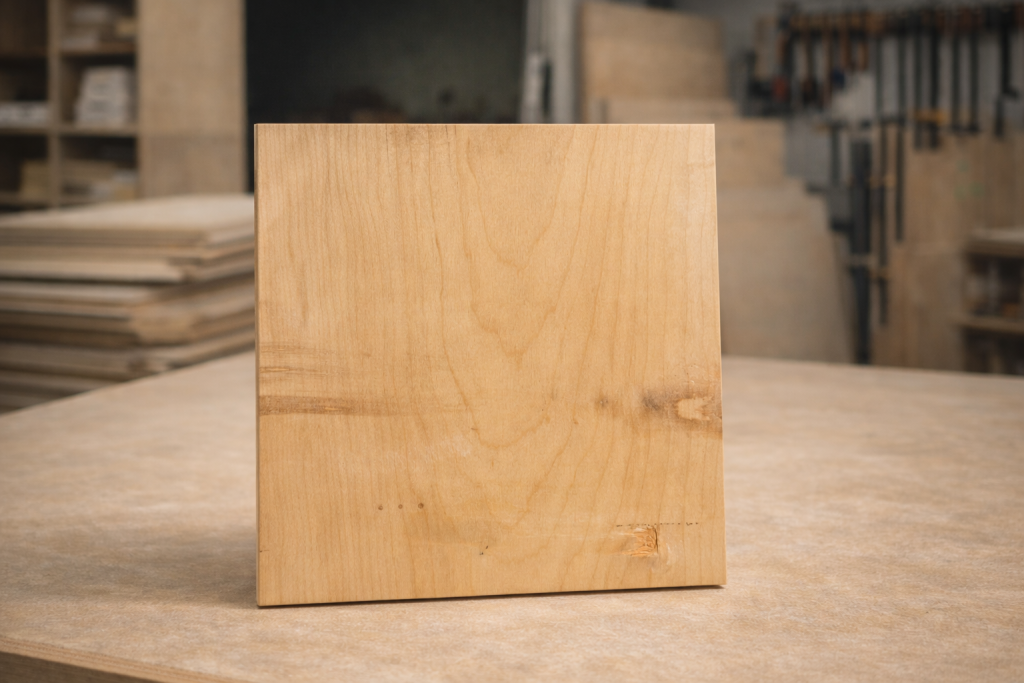
D grade is not meant to be pretty. It’s meant to be functional.
D grade is typically used when:
- The surface will be hidden
- You want a rustic look
- You’re using it for structural or internal purposes
Hardwood plywood grading descriptions often group D and E grades as sound surfaces with unlimited variation and larger repairs, used where the surface is hidden or rustic.
Best Uses for D Grade:
- Blocking
- Hidden cabinet parts
- Seating structure areas
- Backers and internal framing
- Anywhere you’ll never see it (or don’t care)
What to Expect:
- More defects
- More variation
- More patches and repairs
E (Paint Grade) Wood (Smoothest Option for Painted Finishes)
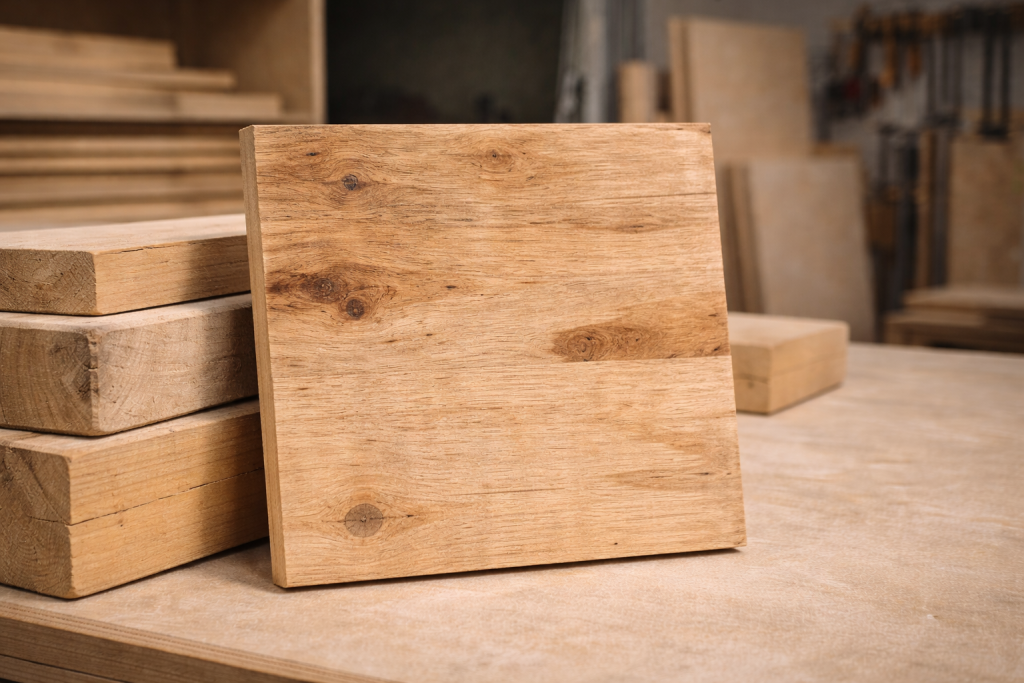
Paint grade is the “lowest smooth grade” meant for paint, not stain.
Paint hides color variation and many natural wood characteristics, so paint grade is ideal when:
- You want a smooth, uniform surface
- You want clean paint results
- You don’t need premium grain appearance
Best Uses for Paint Grade:
- Painted cabinet doors and panels
- Built-ins
- Mudroom lockers
- Trim and interior millwork
What to Avoid:
If the project will be stained or clear coated, paint grade is usually the wrong move.
The Most Important Grading Reality: It’s Done by Human Eyes
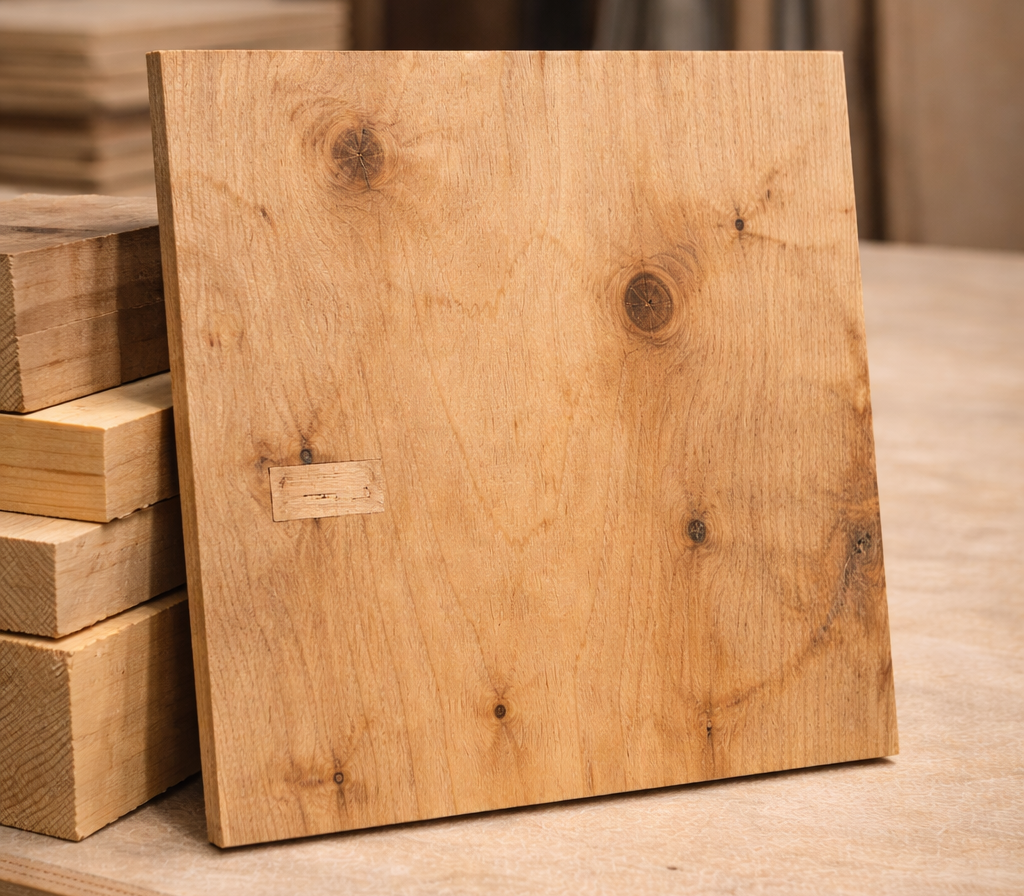
Wood grading is often done by hand and by eye, which means:
- There is subjectivity
- There is overlap between grades
- Your expectations can drift from reality if you expect “perfect”
Hardwood plywood grading even explicitly shows overlap between face grades (AA, A, B, C, D, E).
What that Means in Plain English:
- A high B can feel like a low A
- A low A can feel disappointing if you expected AA
- Two panels of the same grade can still look different
This is not a “bad batch” problem. It’s the nature of wood.
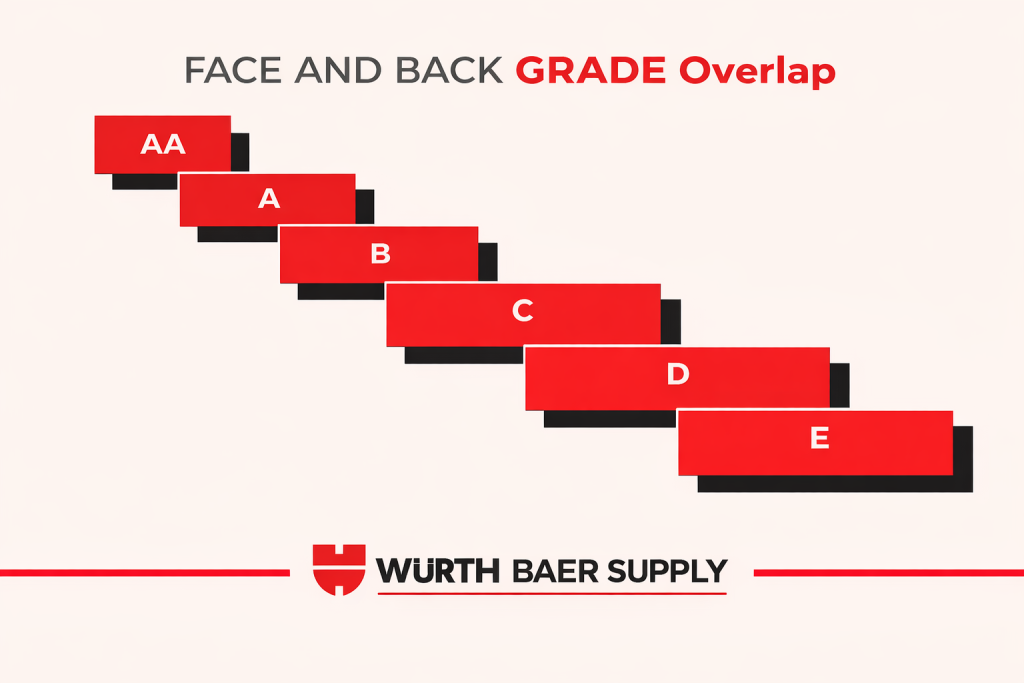
Face Grade vs Back Grade (Why Your Panel Might Be “One Nice Side”)
If you’re buying hardwood plywood, you’ll often see a face/back grading format like:
- A1
- B2
- C3
That’s because the face and back are graded separately.
For example, back grades can range from 1 (most restrictive) to 4 (least restrictive / reject back).
Why it Matters:
If only one side is visible in the final project, you can save money by choosing a lower back grade.
Example: A nice face with a “utility” back can still be the perfect panel for cabinetry.
Why Grades Sometimes “Don’t Match What You Expected”
Here are the most common reasons customers feel surprised by wood grades:
1) Natural Variation is Real
Even within the same species, wood varies in:
- color
- grain
- mineral streaking
- character marks
2) Grade Overlap is Normal
A high-end B can look like an A.
A lower A can look like a B.
That overlap is built into the system.
3) Your Finishing Plan Changes Everything
Stain and clear coat make variation more obvious.
Paint makes variation disappear.
4) Sequencing and Matching Weren’t Specified
If panels will be installed side-by-side and you want them to look consistent, you may need:
- book match
- slip match
- plank match
- sequenced and numbered panels
Matching expectations are part of the spec, not automatic.
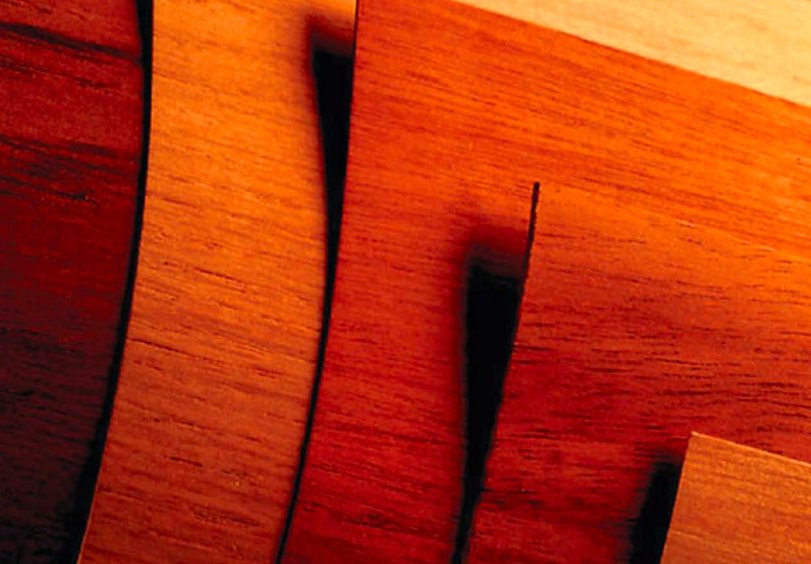
“Premium Face” and Architectural Panels: When Book Matching Matters
If you’re building architectural casework, feature walls, or high-end interiors, the phrase “premium face” is doing a lot of work.
This is where AA or A grade plus matching requirements become critical.
Hardwood plywood specifications often call out matching expectations such as:
- bookmatch
- slipmatch
- plankmatch
When you should upgrade to architectural grade:
- High visibility areas (lobbies, offices, feature walls)
- Panels are next to each other in bright lighting
- Client expectations are “designer-level perfect”
- You need consistency across multiple sheets
How to Choose the Right Wood Grade (Quick Guide)
Use this simple guide:
Choose AA Grade if:
- It’s a premium architectural project
- The wood face is the main visual feature
- You want the highest appearance expectations
Choose A Grade if:
- It’s visible cabinetry or furniture
- You want clean appearance with minimal defects
- You’re staining or clear coating
Choose B Grade if:
- You want value + clean results
- It’s for interiors, CNC parts, or general casework
- “Natural character” is acceptable
Choose C Grade if:
- Budget matters most
- You can work around defects
- It’s not a focal point
Choose D Grade if:
- It’s hidden, structural, or utility
- Appearance doesn’t matter
Choose Paint Grade if:
- You’re painting it
- You want smooth and consistent results
Questions to Ask Before You Order Plywood
If you want the right grade the first time, ask these questions upfront:
- What’s the application? (cabinet exterior vs interior vs hidden)
- How will it be finished? (clear coat, stain, paint)
- Will panels be installed next to each other? (sequenced and numbered)
- What matching is expected? (bookmatch, slipmatch, plankmatch)
- What core type do you need? (veneer core, MDF core, particleboard core, combo core)
That last one is a big deal for performance and machining, especially for hardwood plywood.
Final Takeaway: Buy the Plywood Grade That Matches the Job
Plywood grading is not about “good vs bad.” It’s about right vs wrong for the application.
If you’re building a high-end, highly visible project, choose A or AA grade and specify matching.
If you’re building smart, durable cabinetry where value matters, B grade is often the best balance.
If it’s hidden, structural, or purely functional, C or D grade can save serious money.
And if you’re painting, paint grade is your friend.