Should I buy a combination square or a carpenter square?
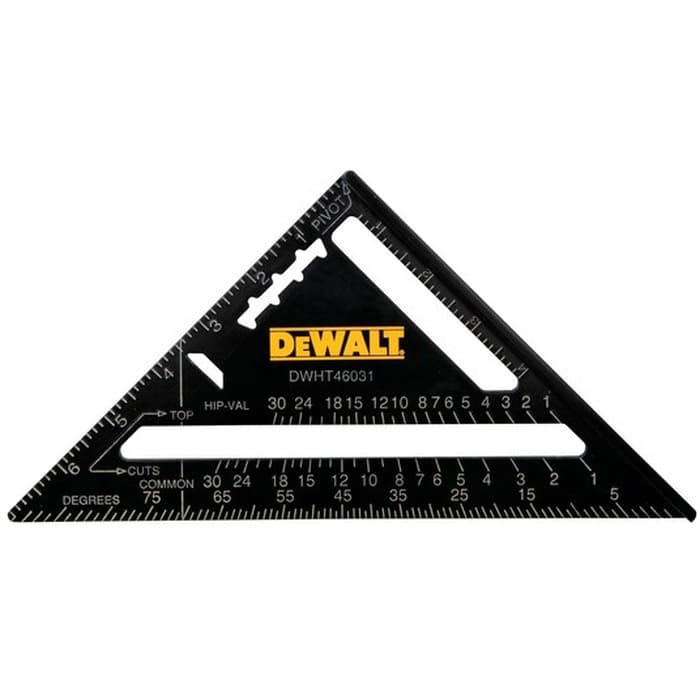
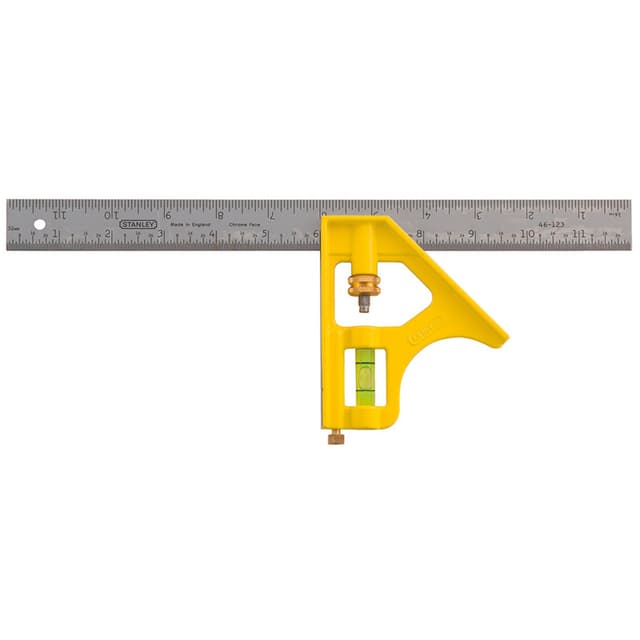
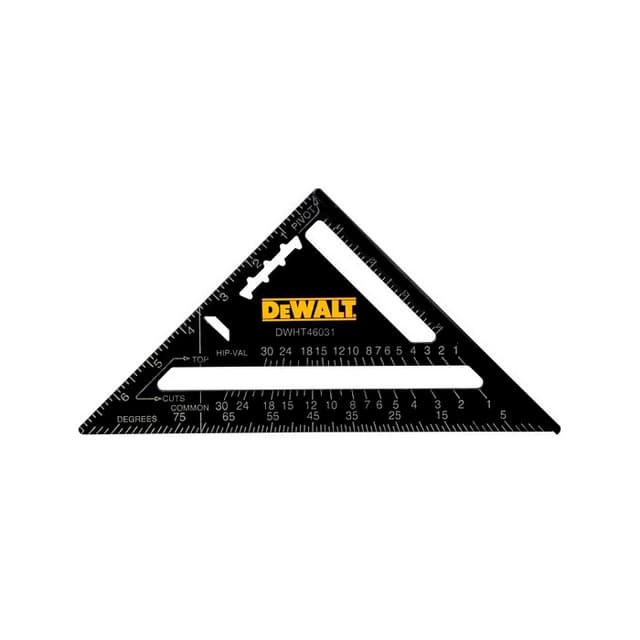
A combination square suits close work: marking 90- and 45-degree lines, setting depths and checking edges on small parts. A carpenter square, also called a framing square, has long legs for laying out stair stringers and rafters and for checking large cabinet boxes. Many woodworkers keep both.
What features matter when choosing a combination square?
Look for clear, etched blade markings, a head that locks firmly without shifting and a blade that slides smoothly. A hardened or stainless blade resists wear and rust. A head with a level vial or a built-in scribe adds uses on the job.
How does an accurate square help with cabinet assembly?
A true square lets you catch out-of-square boxes and cuts before the glue sets, while they are still easy to fix. Square cabinet boxes hang straight, doors line up evenly and face frames fit without gaps.
How can I check if my square is accurate?
Draw a line along the blade from a straight edge, flip the square over and draw a second line from the same point. If the two lines don't match, the square is off by half the gap between them. Recheck it after any drop.
How do I care for a combination square?
Keep it clean and dry, wipe the blade with a light oil to prevent rust and hang it so the blade can't bend. Avoid dropping it, because a hard knock can shift the head and throw off accuracy. Clear dust and pitch out of the lock mechanism now and then.