What hammer weight works well for trim and cabinet work?
A 12- to 16-ounce hammer handles most brads, finish nails and small hardware without tiring your arm. Heavier framing hammers drive large nails faster but are harder to control on fine work. A smooth face is less likely to leave marks than a milled framing face.
Which mallet should I use with chisels?
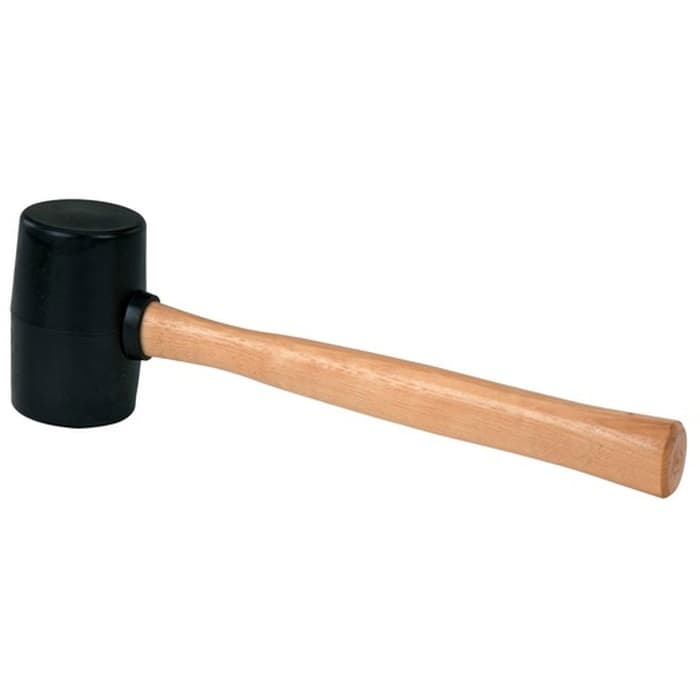
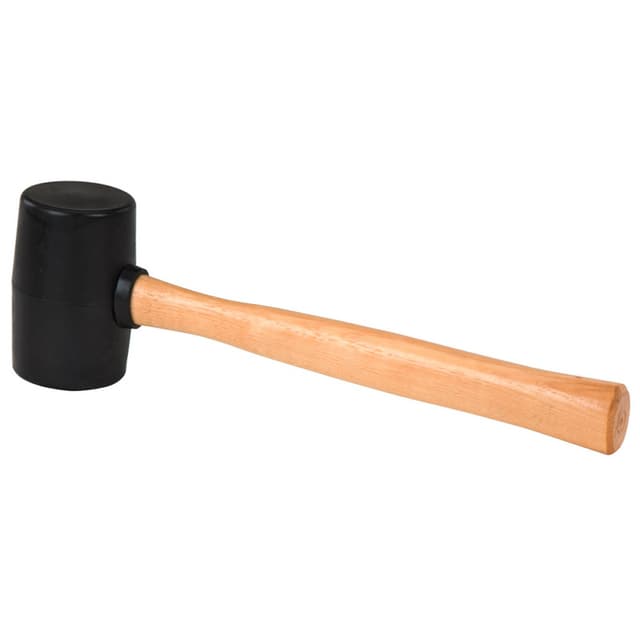
A wooden or dense polymer mallet suits chisel work because it delivers a firm blow without damaging the handle. A rubber or dead-blow mallet works better for tapping joints together, since it absorbs bounce and is less likely to dent the wood.
How does a dead-blow mallet help during assembly?
A dead-blow mallet has shot or sand inside the head, so it doesn't bounce back after a strike. More of the force goes into the joint and less into rebound, which helps seat tight joinery without marring the surface.
How do I avoid denting wood when I use a hammer?
Use a nail set for the last few blows instead of striking near the surface, and keep the hammer face clean and smooth. When tapping parts together, place a scrap block between the hammer and the work to spread the force.
When should I replace a hammer or mallet?
Replace it if the head is loose, cracked or chipped, or if the handle is split. A loose head can fly off during a swing, and a chipped steel face can throw fragments. Wear safety glasses whenever you strike steel.