Should I choose a crosscut or rip saw?
A crosscut saw has teeth shaped to slice across the grain cleanly, while a rip saw has chisel-like teeth that cut along the grain quickly. Many modern saws have hybrid teeth that handle both directions well enough for general work.
What tooth count should a hand saw have for fine work?
Saws with more teeth per inch (TPI) cut slower but leave a smoother edge, which suits trim, dovetails and small parts. Fewer teeth per inch cut faster in thick stock but leave a rougher edge. A common rule is to keep at least three teeth in the material at once.
What's the advantage of a pull saw for detail cuts?
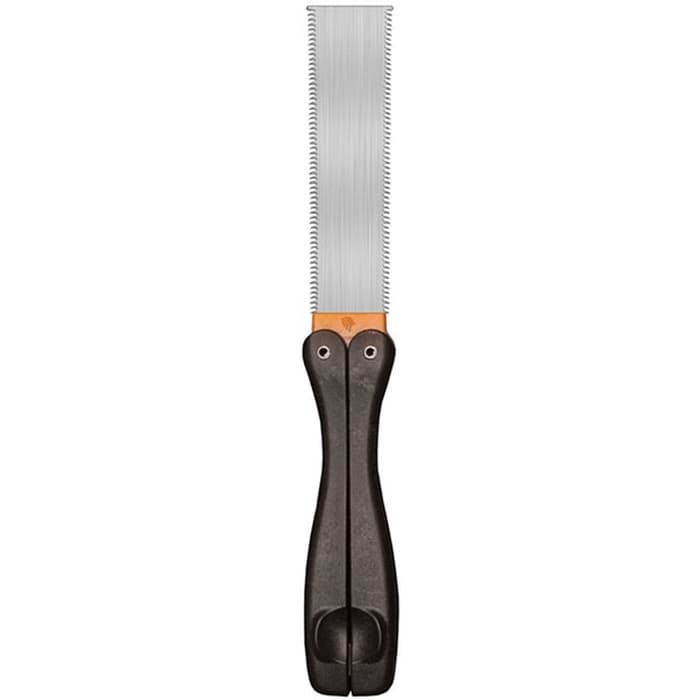
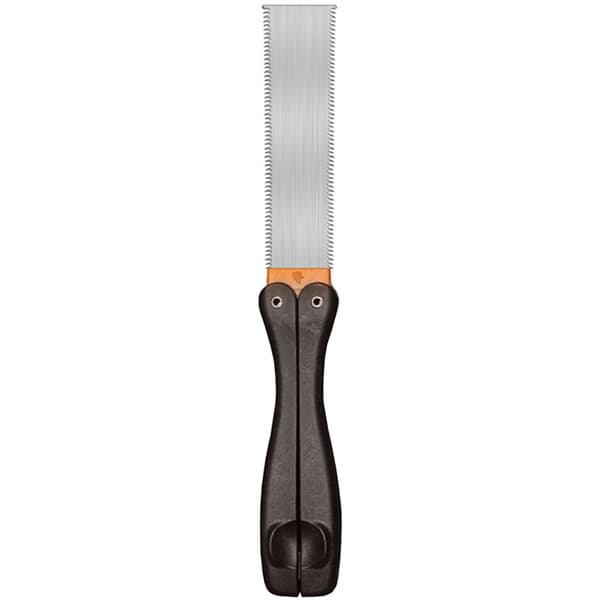
A pull saw cuts on the pull stroke, so the thin blade stays in tension and makes a narrow, accurate kerf. That makes it easier to follow a line on joinery, flush-cut plugs and trim parts in place without a power tool.
How do I start a hand saw cut without it jumping?
Place your thumb beside the blade as a guide, set the saw on the waste side of the line and take a few light pull strokes to make a starting groove. Once the kerf is started, use the full length of the blade with light pressure.
How do I keep a hand saw from rusting or binding?
Wipe the blade clean after use and apply a light coat of paste wax or oil, then store it with a blade guard. Wax also reduces friction, which helps prevent binding in resinous or damp wood.