How do I pick the right screwdriver tip size?
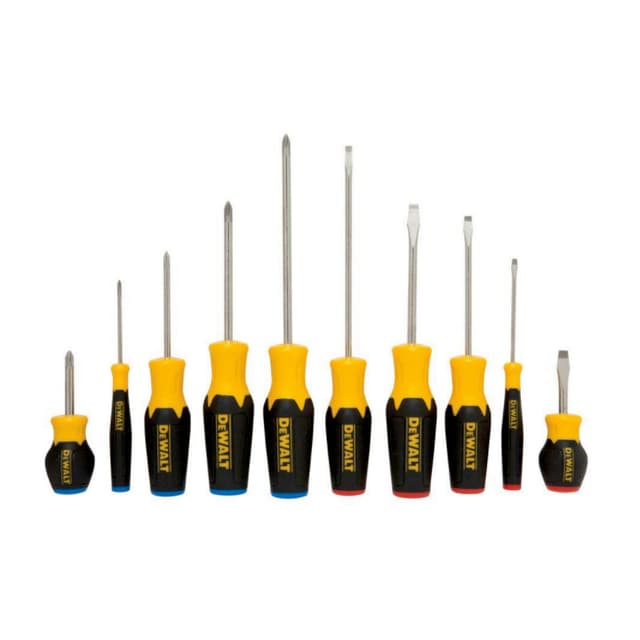
The tip should fill the screw recess completely, with no wobble. For Phillips screws, #2 fits many common wood screws; for square drive, match #1, #2 or #3 to the screw. A tip that's too small cams out and strips the head.
Which drive type works better for cabinet screws: square, Torx or Phillips?
Square drive and Torx tips grip tighter and resist cam-out, so they're common on cabinet and furniture screws. Phillips is still common on hardware like hinges and drawer slides. Match the driver to the fastener in hand.
How does a hand screwdriver help with hardware installs?
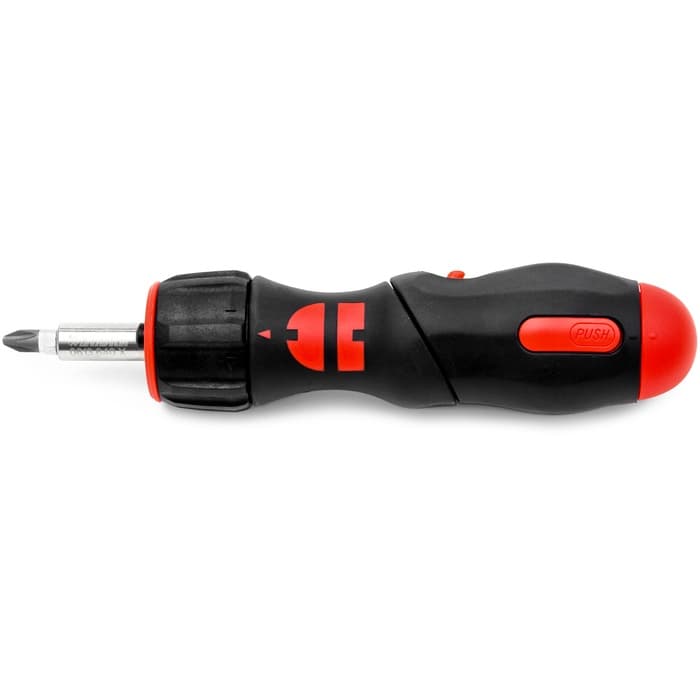
A hand driver gives more feel than a drill, so you can snug small screws in hinges, slides and pulls without stripping soft brass or particleboard. That prevents loose hardware and damaged parts. It also lets you make small hinge adjustments in place, a quarter turn at a time, until the doors line up.
How do I stop stripping screw heads?
Use the correct tip, push firmly into the screw while turning and keep the driver straight in line with the screw. Pre-drill pilot holes in hardwood. Replace tips once they look worn or rounded. Match the tip type and size exactly, since a tip one size too small cams out quickly and chews up the recess.
Can I use a screwdriver as a pry bar or chisel?
No. Prying bends or chips the tip and can snap the shaft, and striking the handle can crack it unless the tool is designed for striking. Use a pry bar or chisel for those jobs.