Should I use 6-point or 12-point sockets?
Six-point sockets grip the flats of a nut or bolt and are less likely to round off stubborn fasteners. Twelve-point sockets fit onto a fastener at more angles, which helps in tight spots, but they grip closer to the corners.
What's the difference between impact and chrome sockets?
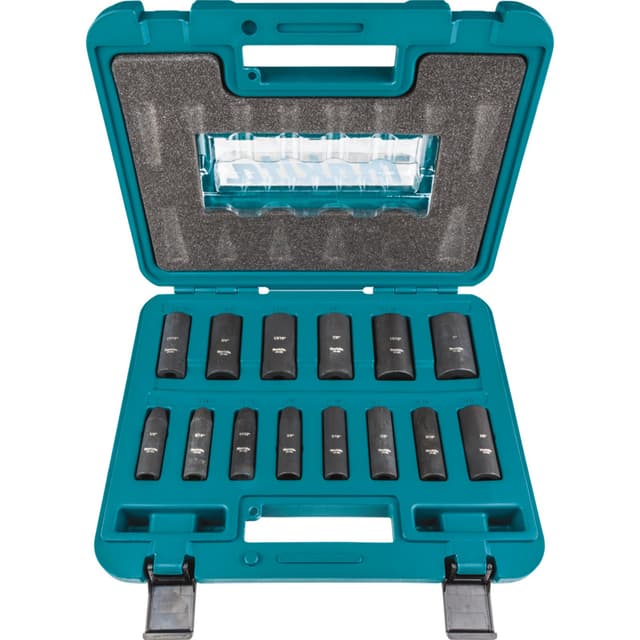
Impact sockets use tougher steel with thicker walls to handle an impact wrench or driver. Chrome sockets are for hand ratchets and can crack under impact. Use impact-rated sockets on any impact tool. Chrome sockets have thinner walls, so they fit tighter spaces and work well for hand tightening and finer adjustments.
When do I need a deep-well socket?
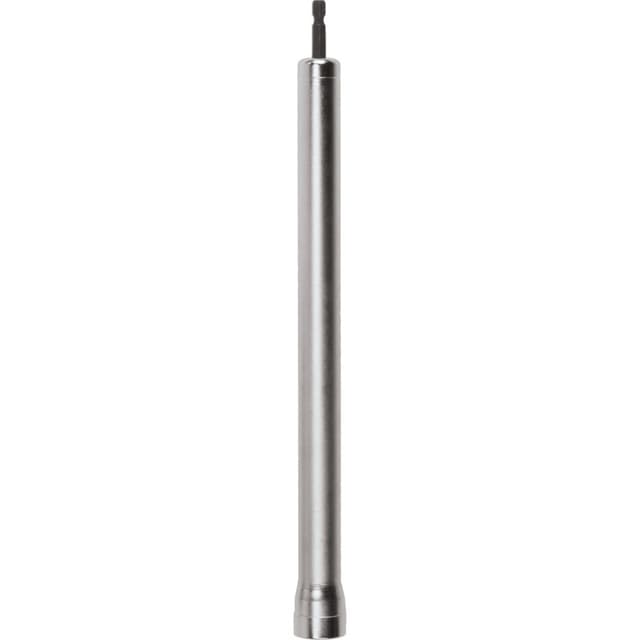
Use a deep-well socket to reach nuts on long bolts and threaded rod where a standard socket bottoms out. It keeps you from switching to a wrench and speeds up installs of brackets, legs and machine parts.
How do I know if I need metric or SAE sizes?
Check the fastener: machines and hardware from many overseas makers use metric sizes, while much US-made hardware uses SAE (inch) sizes. If a socket feels loose, try the other system, since a near-size socket can round the fastener.
How should I store and care for sockets?
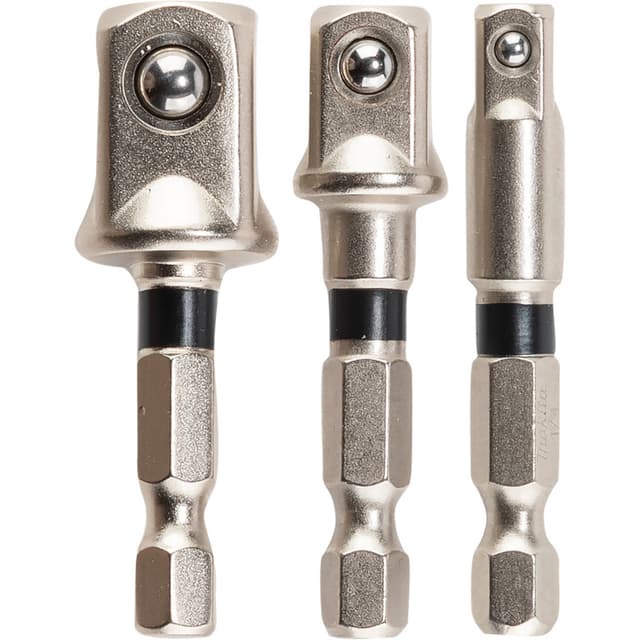
Store sockets on rails or in a tray by size, and wipe off grease and dust. Replace any that are cracked or worn, since a split socket can fail under load. Keep them dry to prevent rust, and check that the drive square still fits snugly on the ratchet, because a sloppy fit rounds fasteners.