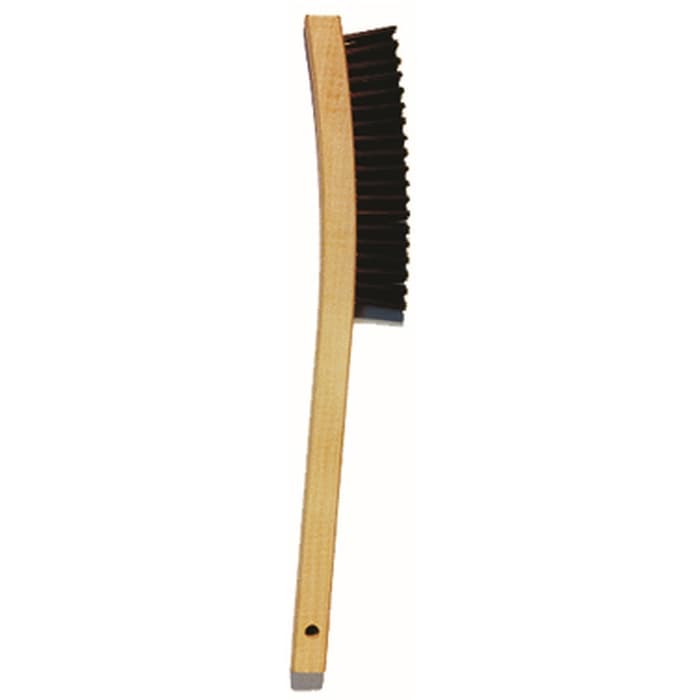
Should I use a steel, stainless or brass wire brush?
Steel bristles are aggressive and suit heavy rust and paint removal on metal. Stainless resists rust and won't leave steel particles that stain, and brass is softer, which suits cleaning wood grain, files and softer metals without deep scratches.
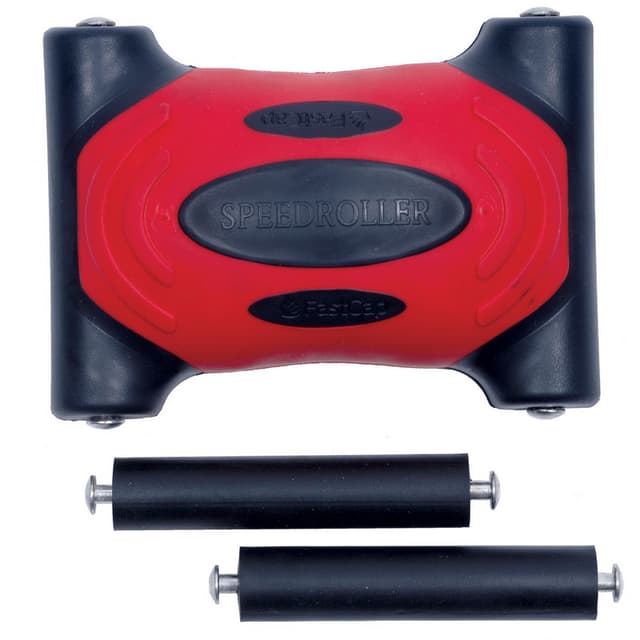
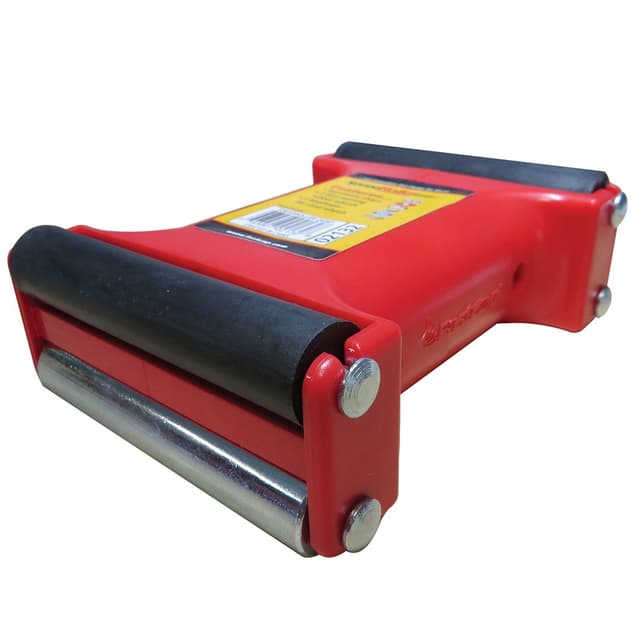
What size pressure roller do I need for laminate or veneer?
A narrow roller focuses pressure on edges and tight spots, while a wider roller covers large surfaces in fewer passes. Many installers keep both. A J-roller's offset handle lets you lean your weight into the roll.
How does a pressure roller improve adhesive bonds?
Rolling forces the material into full contact with the adhesive and pushes out trapped air. That reduces bubbles, lifted edges and callbacks on veneer and laminate work. Roll while the contact adhesive is within its bonding window, and use firm, overlapping strokes all the way out to the edges.
Can a wire brush be used on wood?
Yes. A brass or nylon brush can clean out grain or give softwoods a textured, weathered look. Brush with the grain, since cross-grain brushing tears fibers. Steel brushes cut faster but can leave metal bits that cause dark stains in oak and other tannin-rich woods, especially under water-based finish.
How do I clean a pressure roller after use?
Wipe adhesive off the roller right away with the cleaner the adhesive maker recommends, before it hardens. Dried glue makes bumps that leave marks on the next job. Store the roller so it doesn't rest on its rolling surface.