Why should I avoid silicone sprays near wood I plan to finish?
Silicone contamination causes fisheyes in the finish. In finishing shops, use silicone-free lubricants on machine tables. Even a small amount can transfer from a table to the wood and spread through the shop on hands and rags. Label silicone products clearly and keep them away from finishing areas.
How do I choose between a penetrating oil, a dry lubricant and a rust preventive?
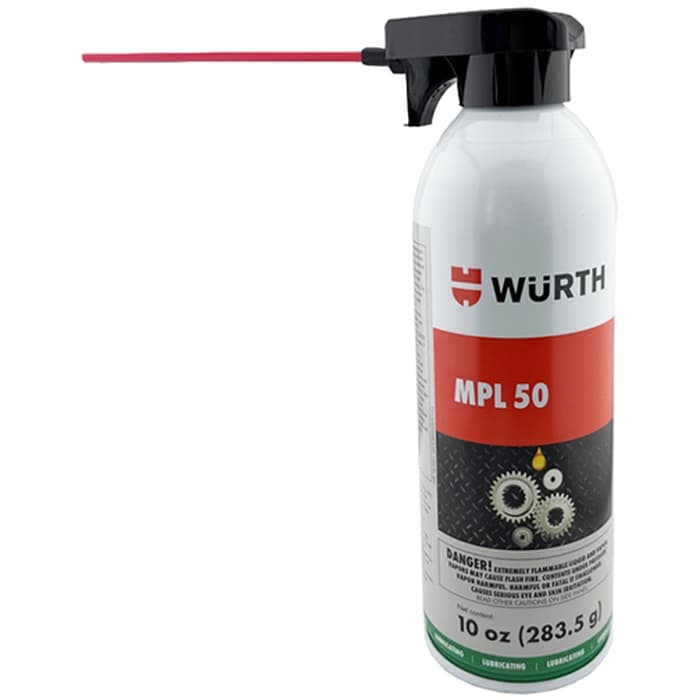
Penetrating oil frees rusted or stuck parts. A rust preventive leaves a protective film for storage. A dry lubricant suits moving parts in dusty areas. Wet lubricants attract sawdust, which forms a gritty paste, so pick dry types for slides, fences and gears in the shop.
What does regular lubrication do for shop machines?
Regular lubrication keeps height and tilt adjustments smooth, prevents seizing and protects cast iron tables from rust. Machines stay accurate and easier to set up. Follow the machine maker's schedule, and clean off old grease and dust before applying new lubricant so grit does not wear the parts.
How do I remove rust from a cast iron table saw top?
For light rust, scrub with a fine abrasive pad and rust remover, wipe clean, then protect with a silicone-free coating or wax. Wear suitable PPE. Work in small areas, keep the pad flat on the table, and wipe away all residue before waxing so the coating bonds well.
How should I store aerosol chemicals and lubricants?
Keep them cool and away from heat, sparks and sun. Store flammables in a flammable cabinet, follow the SDS and never puncture the cans. Store cans upright, set aside any that are dented or rusted, and keep caps on the nozzles to prevent accidental spray.