How do I choose a clear topcoat sheen?
Pick the sheen by look and use. Flat and satin sheens hide small scratches and fingerprints well, which is why many cabinet shops use them. Semi-gloss and gloss show more depth but also show every flaw in the surface prep. Most makers list sheen in gloss meter degrees, so compare those numbers when you match an existing finish.
What kind of clear topcoat should I use for kitchen cabinets?
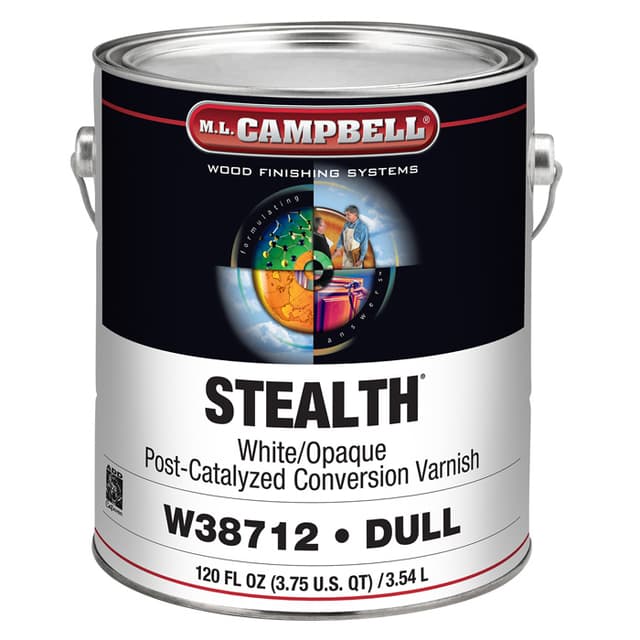
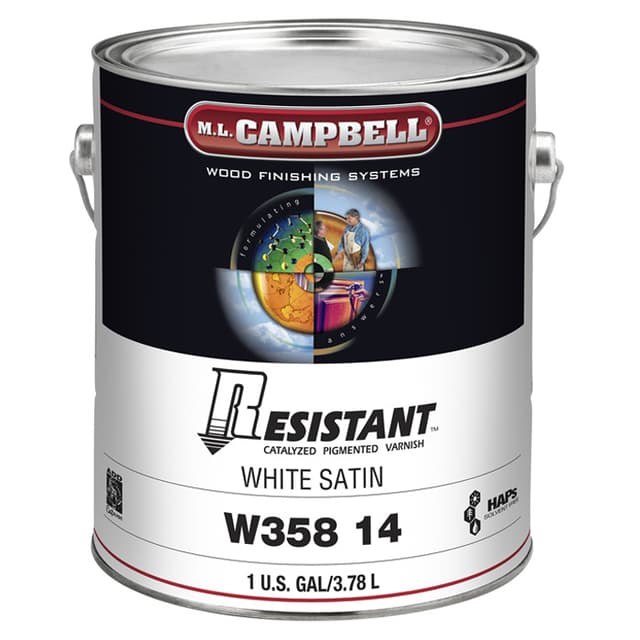
Choose a catalyzed finish, such as a post-catalyzed lacquer, conversion varnish or two-part polyurethane, for kitchen and bath cabinets. These cure harder and stand up to water, grease and cleaners better than standard nitrocellulose lacquer. Check the data sheet for its chemical resistance testing before you decide.
What do I gain from a good topcoat over stained work?
A well-applied topcoat keeps the color you built with stains and glazes from wearing through at edges, pulls and handles. That means fewer touch-up visits and happier customers on high-traffic pieces. It also gives you a surface you can rub out to an even, uniform sheen.
Will a clear topcoat yellow over white or light finishes?
Some will. Nitrocellulose lacquers and oil-based varnishes tend to amber with age, which looks warm over natural wood but can tint white paint. Water-white topcoats, such as many CAB-acrylic lacquers and waterborne acrylics, stay clearer. Read the data sheet before you coat a light color.
How long should parts cure before I stack them?
Follow the dry times on the data sheet: dry to touch, dry to sand and dry to stack are all different. Most finishes feel dry within an hour but take days to weeks to reach full hardness. Stacking parts too soon can cause printing and sticking, so give the finish air flow and warmth to cure.