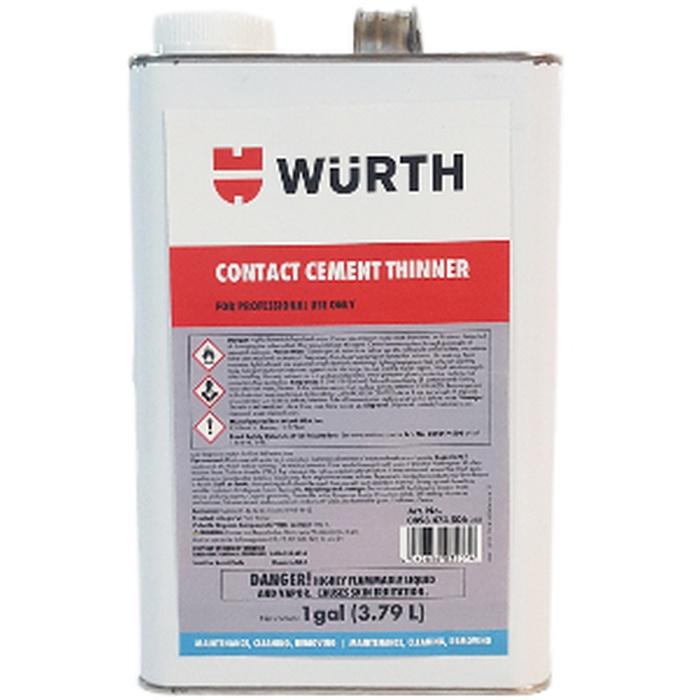
Which thinner works with my finish?
Check the coating's label or data sheet; it names the thinner and the amount to use. Lacquer thinner goes with solvent lacquers, mineral spirits with oil-based coatings, and water or a waterborne reducer with waterborne products. The wrong one can curdle the finish or keep it from curing.
Is lacquer thinner the same as paint thinner?
No. Lacquer thinner is a fast blend of strong solvents that dissolves lacquer. Paint thinner is usually mineral spirits, which is slower and milder and works with oil-based paints and stains. Lacquer thinner can soften oil-based finishes, so keep the two apart.
How does thinning correctly improve spray results?
A finish thinned to the right viscosity atomizes at lower air pressure, which means less bounce-back and less overspray. More of the coating lands on the part as an even, wet film, so you use less material per job.
How do I measure how much to thin a finish?
Use a viscosity cup, such as a Zahn or Ford cup, and time how long the finish takes to drain. Compare that time to the target on the data sheet and add thinner in small steps. Write down the reading so you can repeat it next time.
Can these products go bad or get contaminated?
They keep well when sealed, but open containers pick up water and dirt and lose their fast solvents first. Contaminated thinner can cause blushing or specks in the finish. Keep lids tight, use clean pour spouts and never pour used material back into the clean container.