How do I choose the right bumper size for cabinet doors?
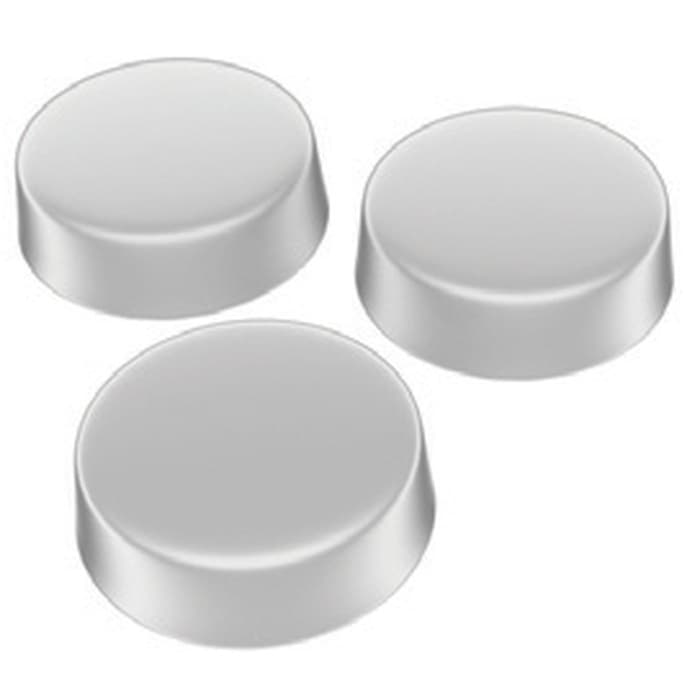
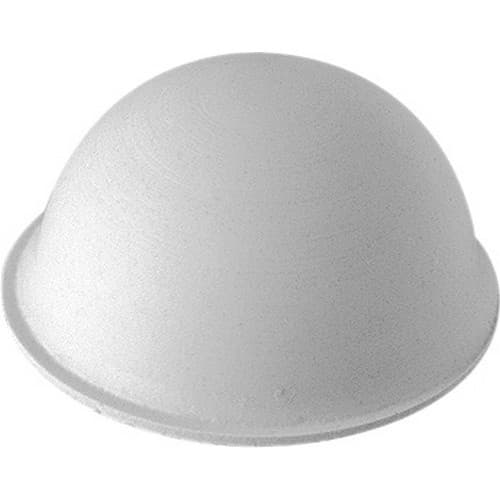
Pick a bumper thick enough to stop the door from hitting the frame, but not so thick that the door stands open or the hinge cannot close it fully. Thinner bumpers suit inset and lightweight doors, while larger ones suit heavy doors and drawer fronts. Test one on a door before you place them on a whole run.
Which color works on painted or dark finishes?
Clear blends in on glass, light finishes and visible spots. Black, brown or gray hides on dark finishes and shows less dirt. On painted cabinets, a color close to the paint often looks cleaner than clear, which can yellow over time with some materials.
How do cabinet bumpers help protect your finish over time?
Bumpers stop the door edge from striking the face frame or the next door, which prevents chipped paint along the edges. They also keep doors from bouncing back open when someone shuts them hard. That means fewer finish touch-ups and callbacks after the install.
Where should I place them on a door or drawer front?
Place them near the corners on the side opposite the hinges, where the door meets the frame first. Two per door, top and bottom, is common. On drawers, set them near the upper and lower corners of the drawer front, out of sight when the drawer is closed.
Why won't my adhesive bumpers stay on?
Adhesive pads fail most often on dusty, oily or freshly finished surfaces. Clean the spot with isopropyl alcohol, let the finish cure fully, and press each one firmly for several seconds. Apply them at room temperature, since cold surfaces weaken the bond.