Should I use an adjustable wrench or a combination wrench?
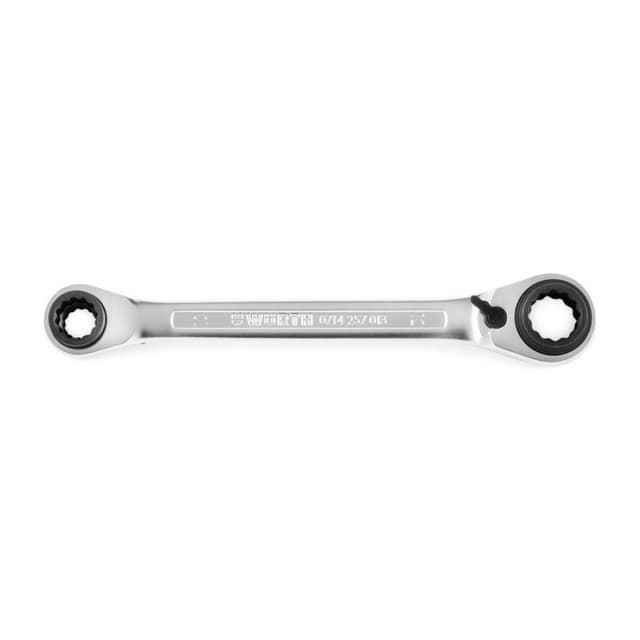
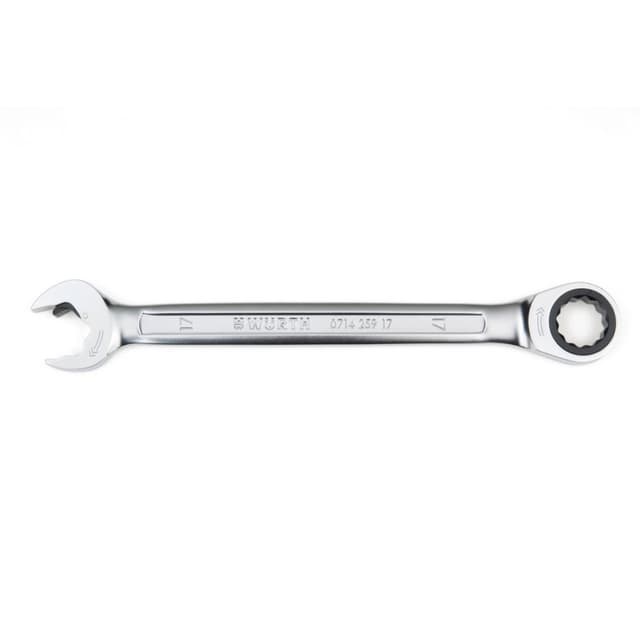
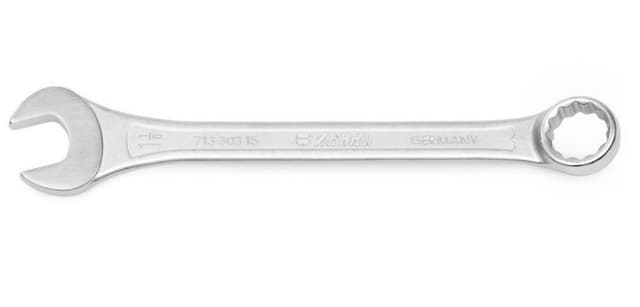
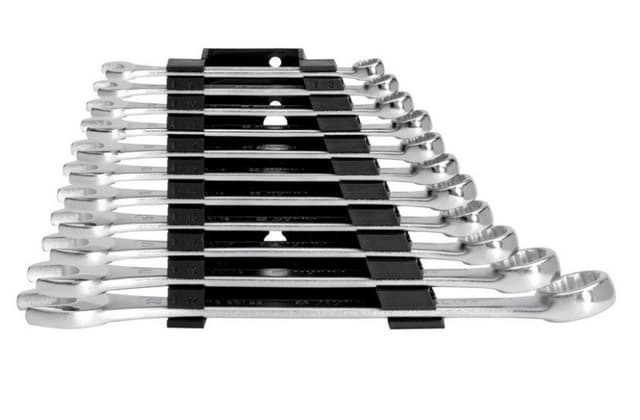
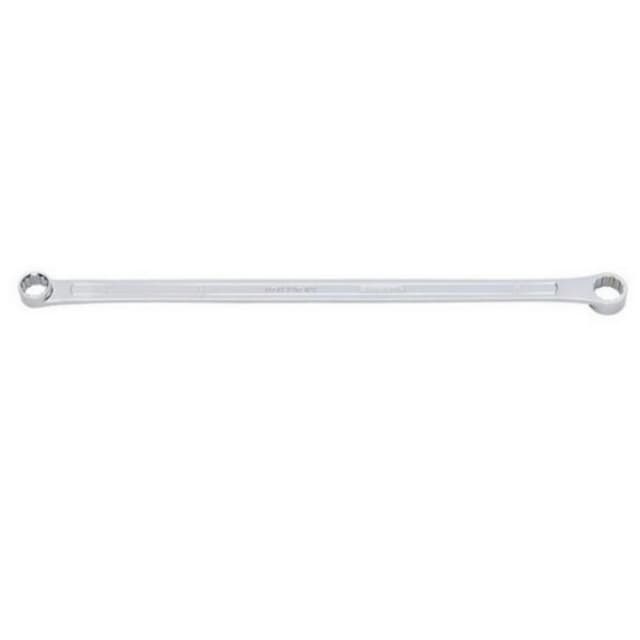
A combination wrench fits one size and grips tighter, so it is less likely to round off a nut. An adjustable wrench covers many sizes and helps when you don't have the exact size, but its jaw can loosen and slip under heavy force.
Should I buy L-shaped Allen keys or T-handle hex keys?
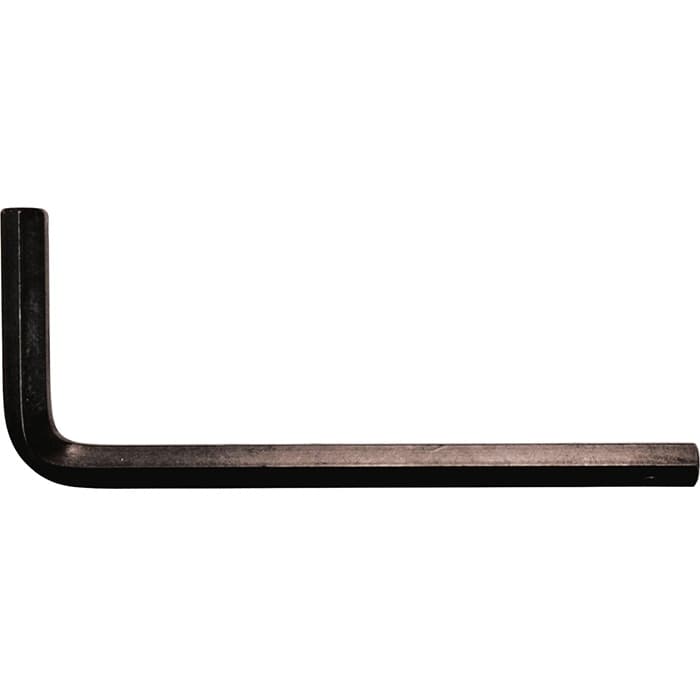
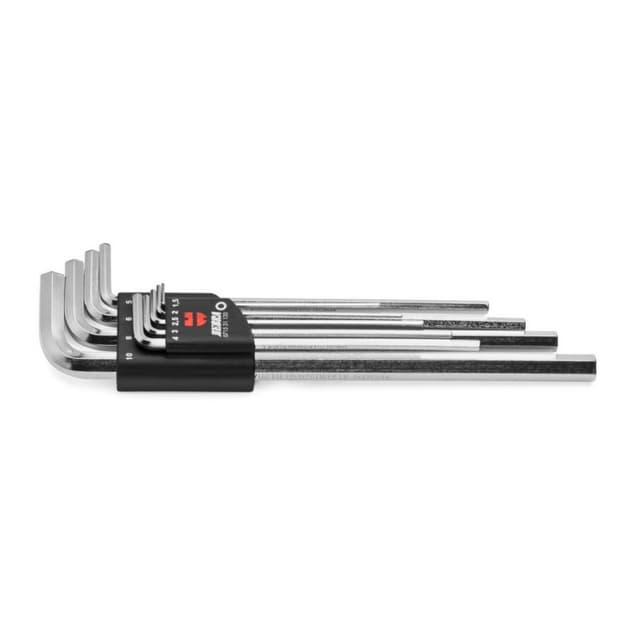
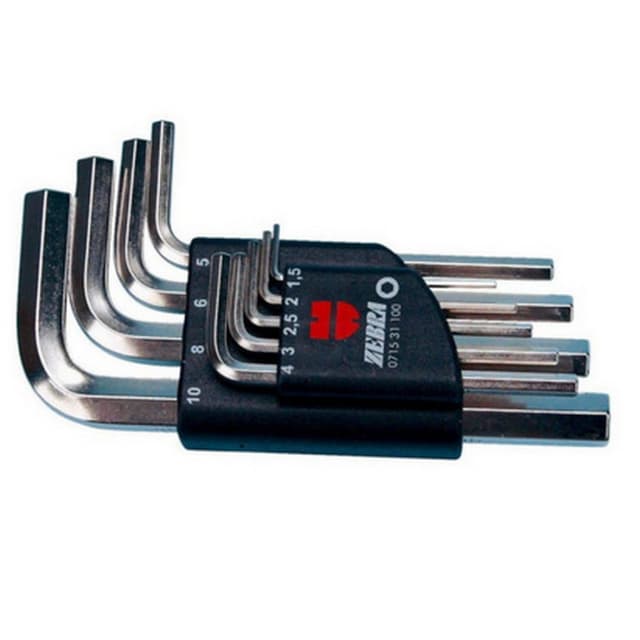
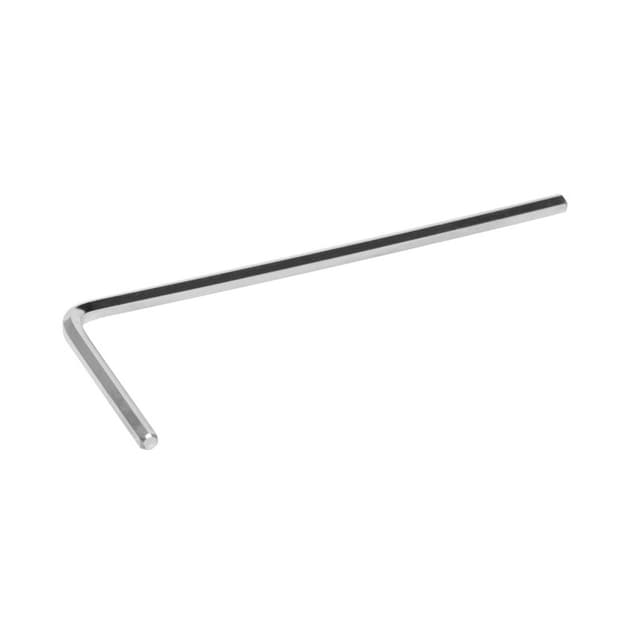
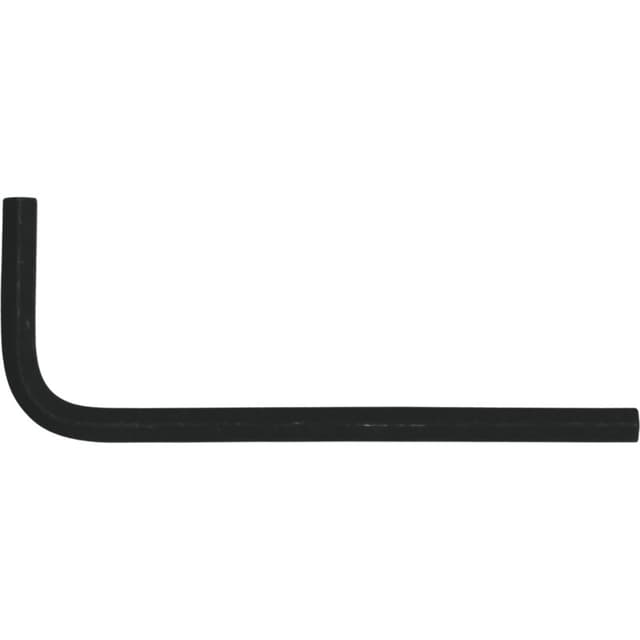
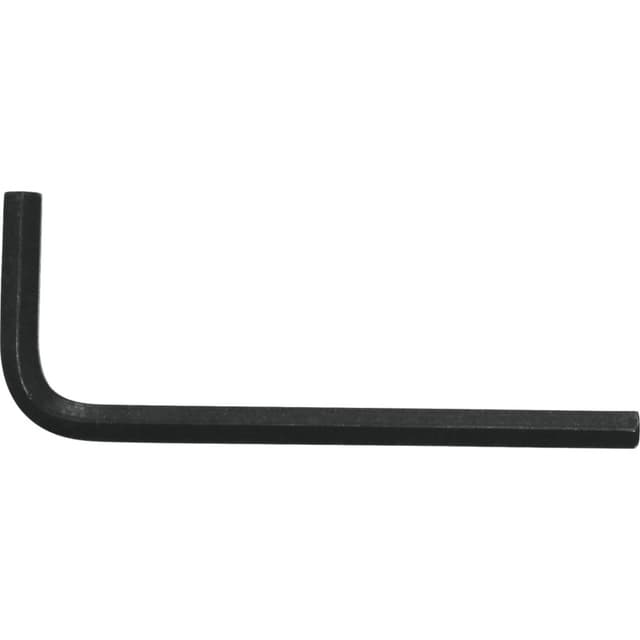
L-shaped keys reach into tight spaces and give extra leverage from the long arm. T-handle keys spin faster and are easier on the hands for repeated work. Ball-end keys let you turn at an angle but shouldn't take heavy torque.
How does the right hex key size prevent damaged screws?
An exact fit spreads force across all six sides of the socket. A loose key rounds the corners and makes the screw hard to remove. Exact fits keep hardware and machine set screws reusable. Don't mix metric and inch keys, because a near size can feel right yet still slip under load.
How do I remove a stripped hex screw?
Try tapping a slightly larger Torx bit or a screw extractor into the socket, then turn slowly. Apply penetrating oil first if the screw is rusted. If that fails, cut a slot for a flat screwdriver or drill out the head.
Why should I avoid using a wrench as a hammer?
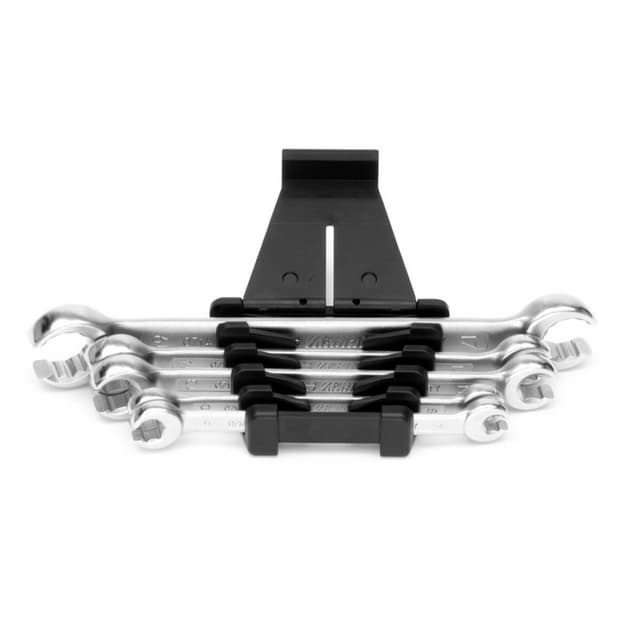
Striking with a wrench can crack it, bend the jaws or chip the steel, which can fly off. Use a hammer or mallet for striking, and wear eye protection when working on tight fasteners. For a stuck bolt, apply penetrating oil and use a longer wrench or a box-end wrench that grips all six corners.