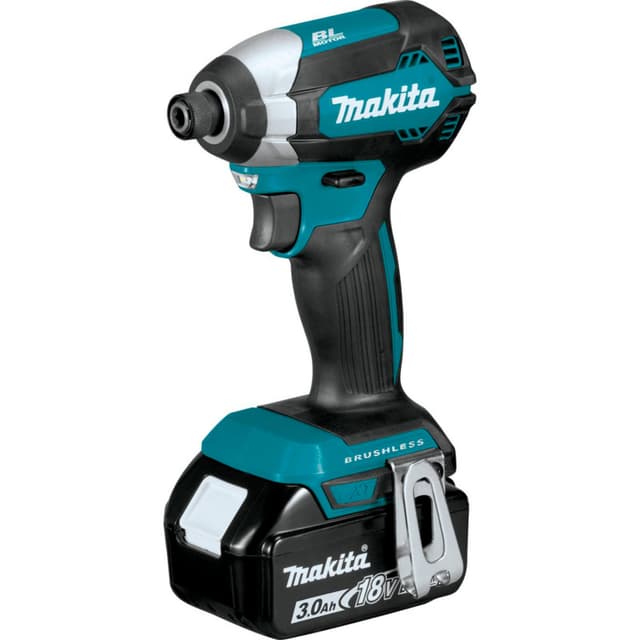
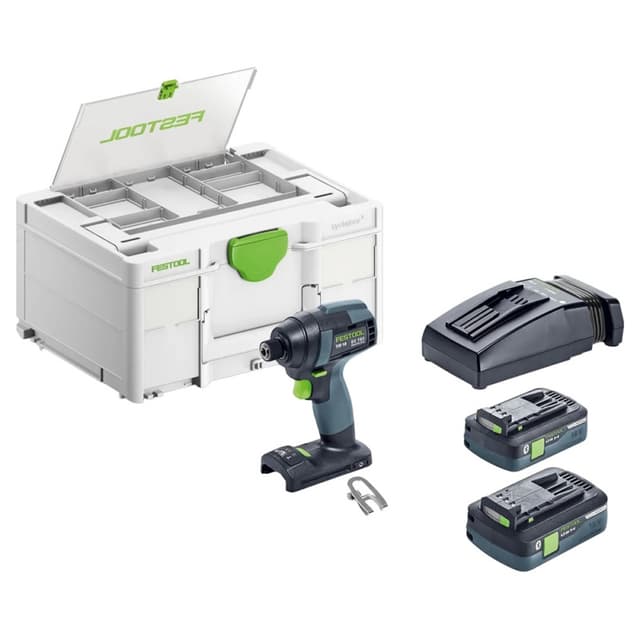
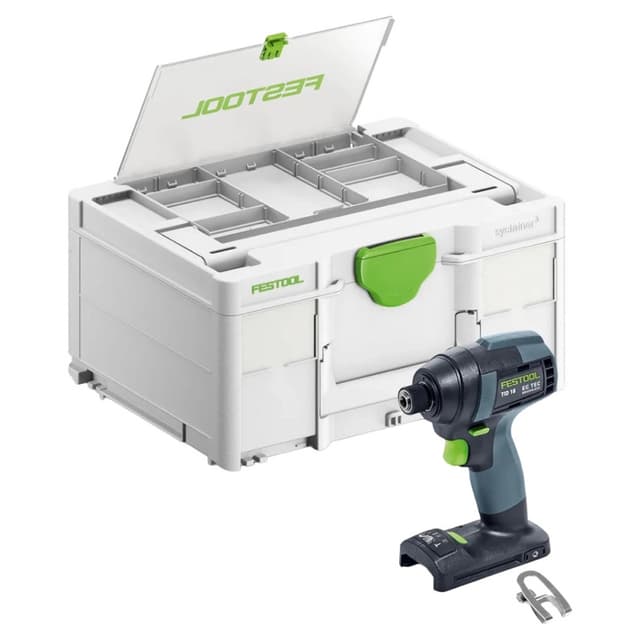
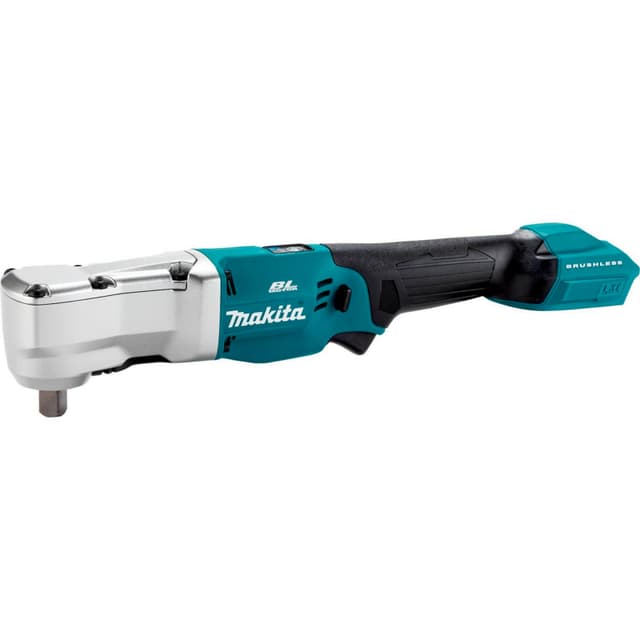
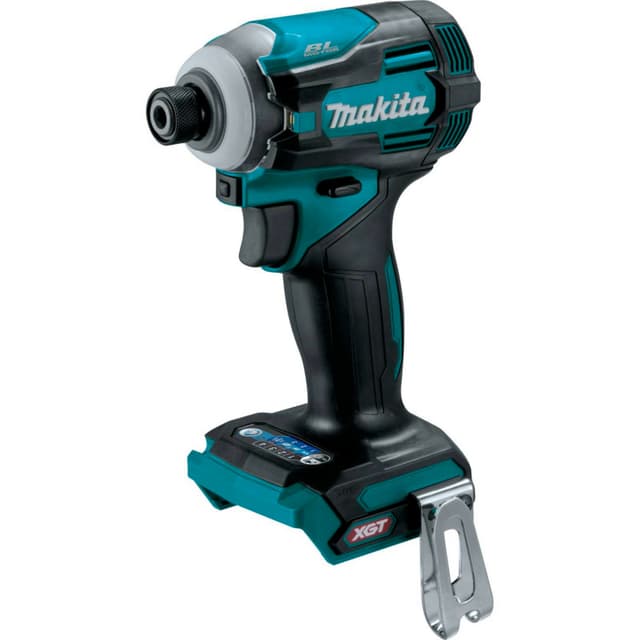
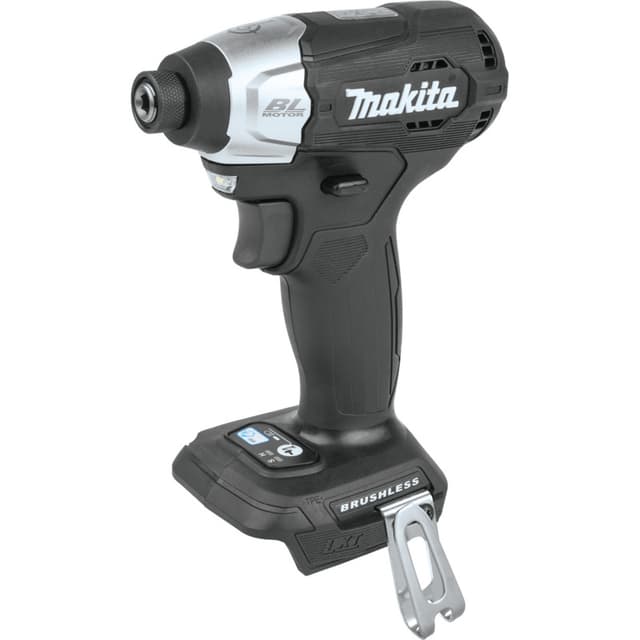
Should I choose a brushless model?
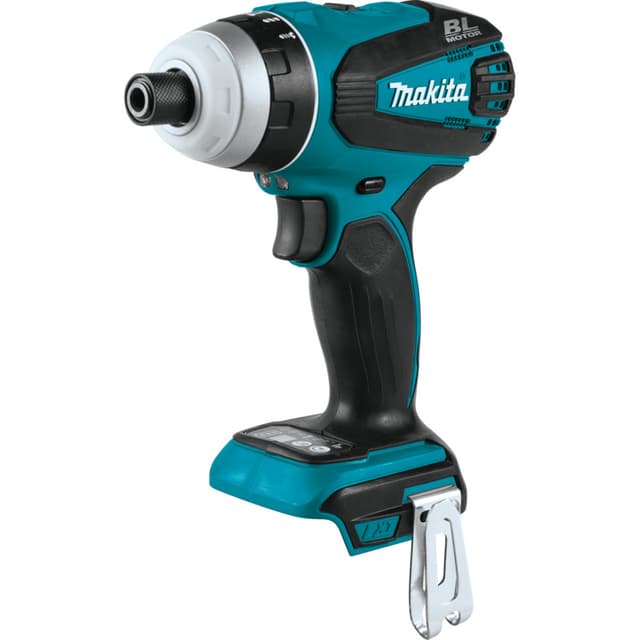
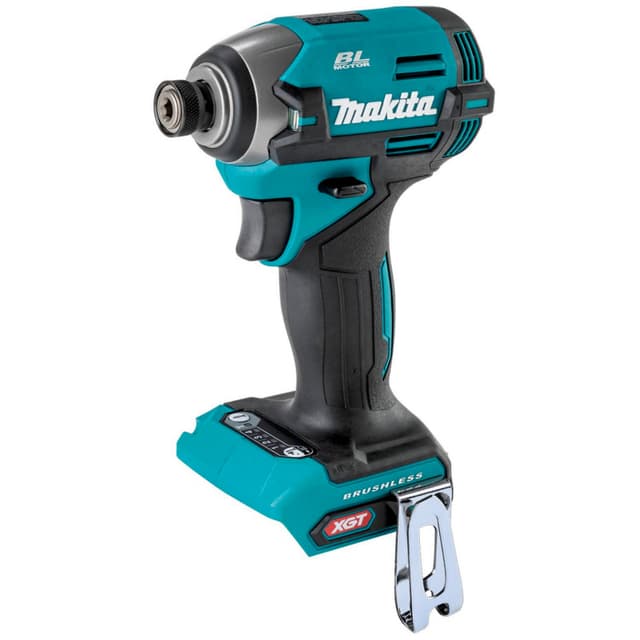
Brushless motors run cooler, last longer and get more runtime from each battery charge. Brushed models usually cost less and work for lighter, occasional use. If you drive screws all day on installs or in production, brushless is usually worth it, while a brushed model can make sense as a backup or for light home-shop use.
Can an impact driver drill holes?
Yes, with hex-shank drill bits, but it lacks the clutch and smooth speed control of a drill. It works for rough holes and pilot holes, but a drill gives cleaner, more accurate holes in finished parts.
How does variable speed on an impact driver help with cabinet screws?
Multiple speed modes let you drive small screws gently in cabinet hardware and switch to full power for lag screws. That control reduces stripped screws and overdriven heads. Use the lowest mode for hinges and slides, and squeeze the trigger gently at the start so the bit stays seated in the screw head.
Why does my impact driver strip screw heads?
Too much speed, worn bits or driving at an angle are common reasons. Lower the speed setting, press firmly in line with the screw and replace worn bits. Use impact-rated bits, which handle the hammering better, and make sure the bit type and size exactly match the screw recess.
How do I keep the motor and batteries healthy under heavy use?
Avoid stalling the tool, let it cool during long stretches of heavy driving and keep the vents clear of dust. Store batteries at moderate temperatures between jobs. Pre-drill pilot holes for large screws and lags, which cuts the load on the motor, and let a hot battery cool before you put it on the charger.