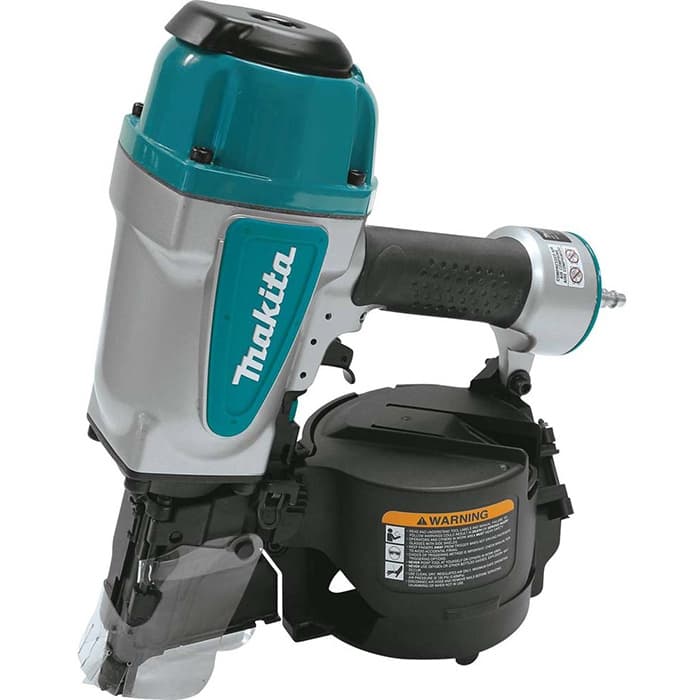
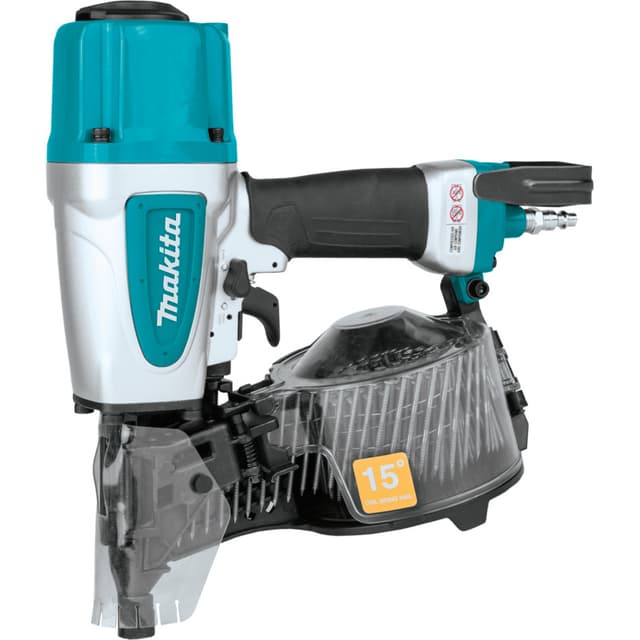
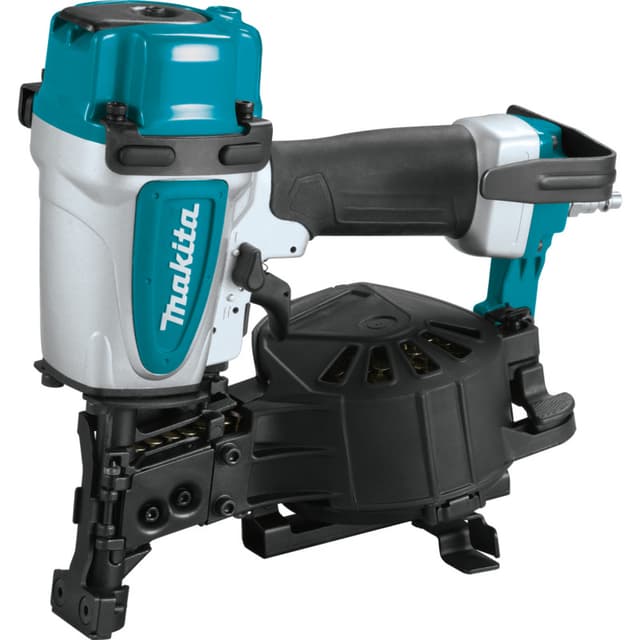
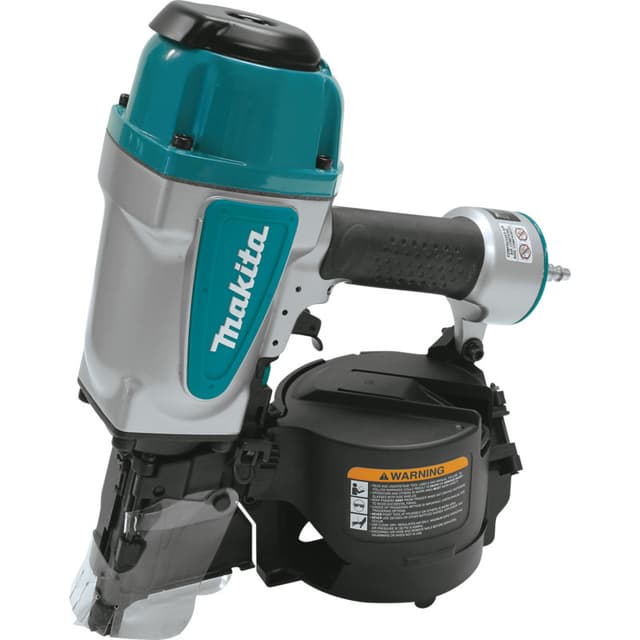
Which nailer gauge should I use for trim and cabinets?
23-gauge pins hold small trim and veneer while glue dries and leave tiny holes. 18-gauge brad nailers suit light trim and cabinet backs. 16- and 15-gauge finish nailers drive larger nails for baseboard, casing and door jambs.
Should I choose a cordless or pneumatic nailer?
Cordless nailers skip the compressor and hose, which saves setup on install jobs. Pneumatic nailers are usually lighter and suit shops with air lines. Many installers use both. Think about where you work: punch-list and trim work in finished homes favors cordless, while steady production at a bench favors air.
How do micro pinners reduce filling and touch-up?
Pins are so thin that the holes often disappear without putty, especially on prefinished trim. That saves time on touch-up and finishing. Pins hold small parts while glue dries rather than acting as the main fastener, so they work well for attaching moldings, beads and small trim without splitting.
How do I set the depth so heads sit just below the surface?
Fire a few test nails into an offcut that matches your workpiece, then adjust the depth control until the heads sit just below the surface. On pneumatic tools, air pressure also changes depth, so set the regulator first and fine-tune with the depth dial. Recheck whenever you switch to a harder or softer species.
Why does my nailer jam or misfire?
Using the wrong fastener size, low air pressure, a dirty magazine or a worn driver blade are common causes. Use fasteners that match the tool's specs, clean the magazine and follow the manual for clearing jams.