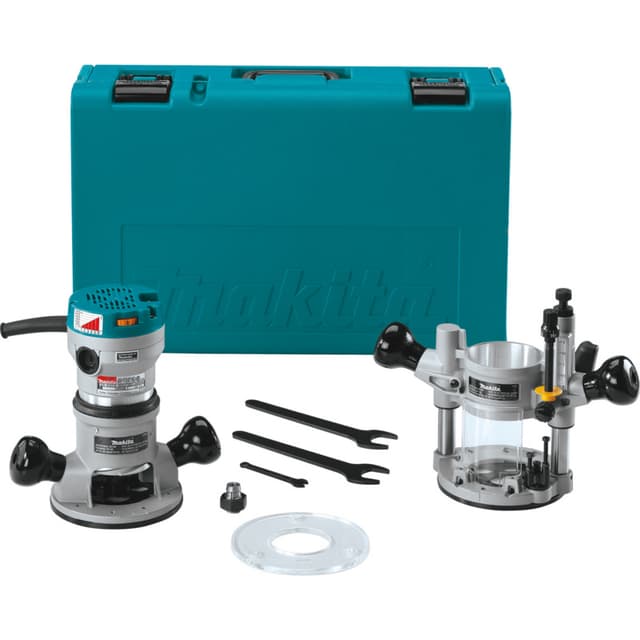
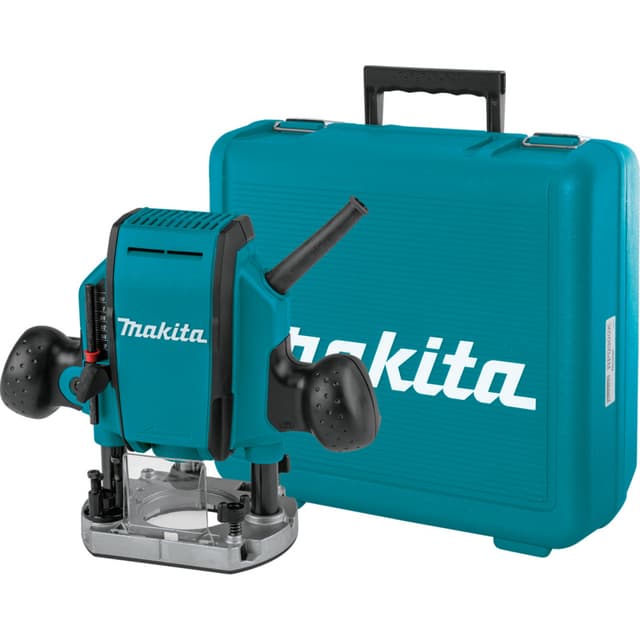
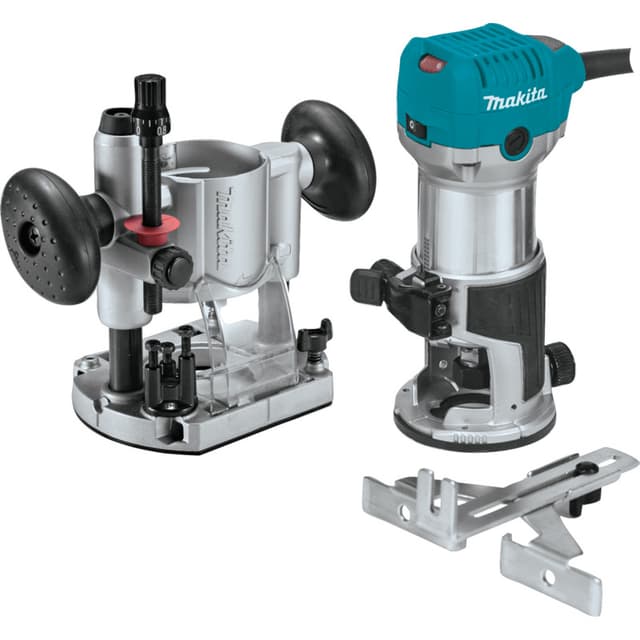
Should I choose a fixed-base or plunge model?
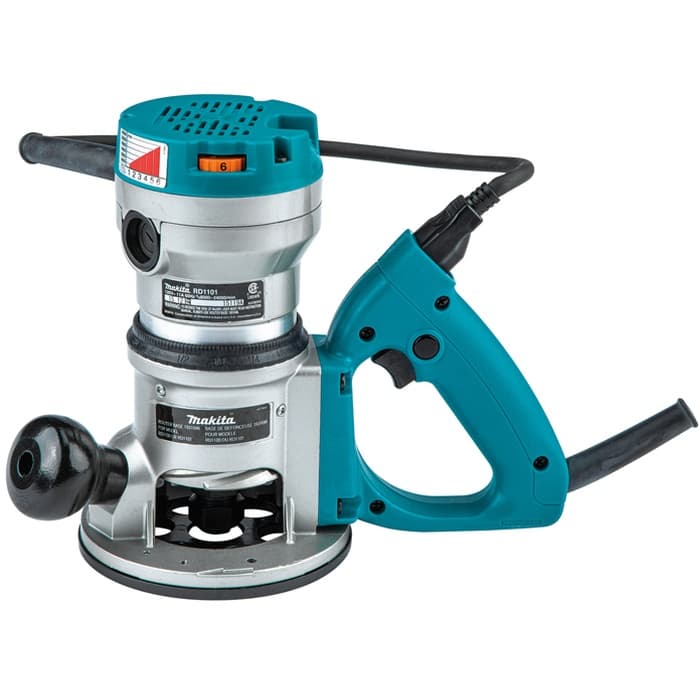
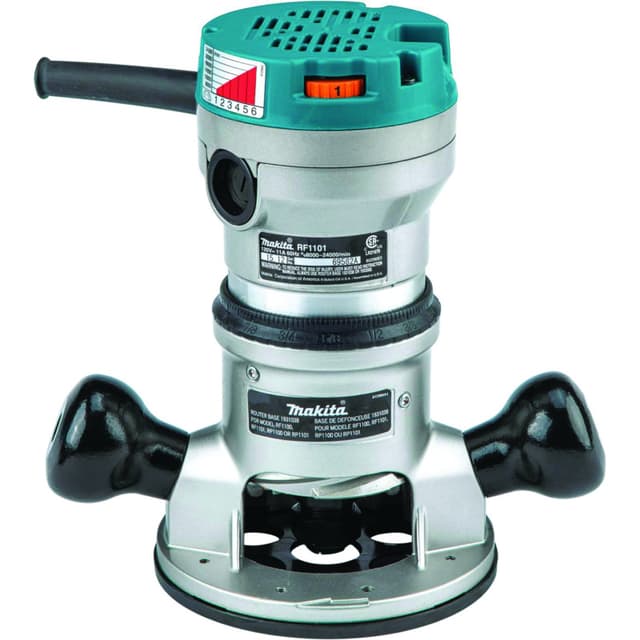
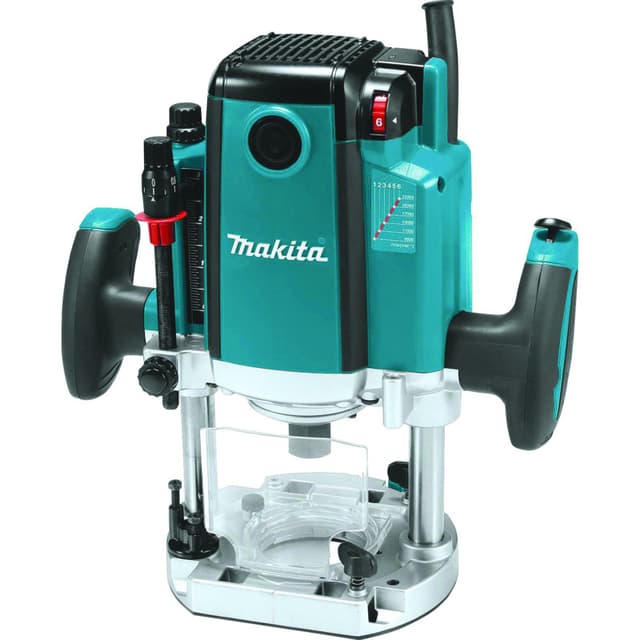
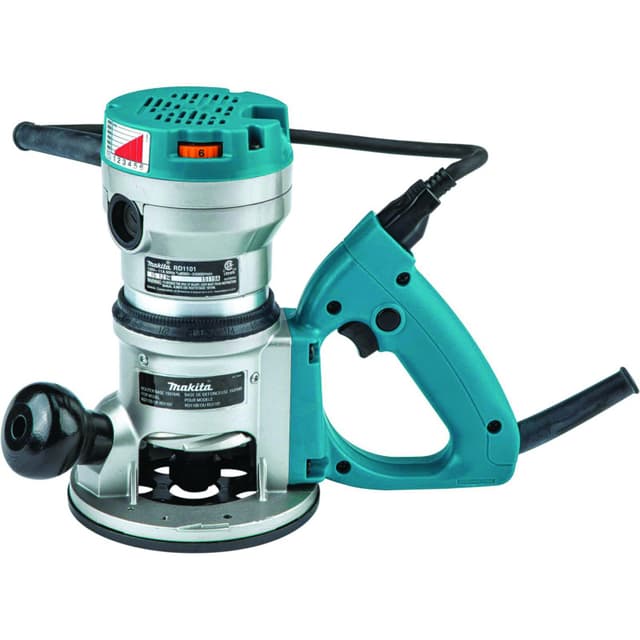
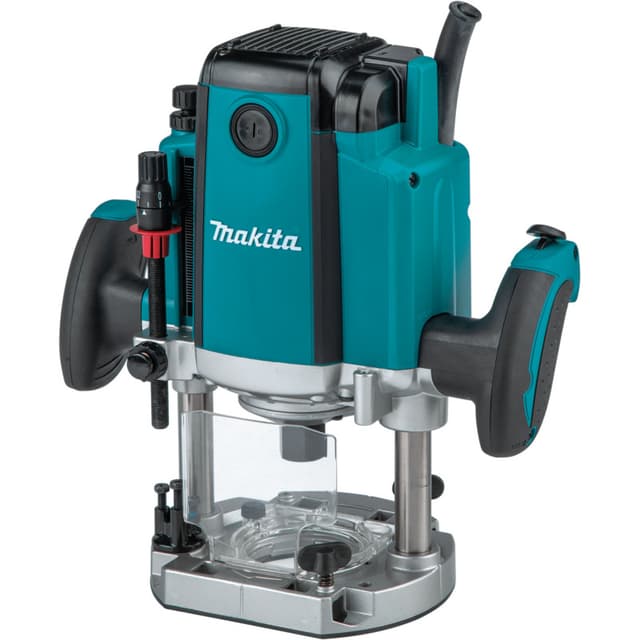
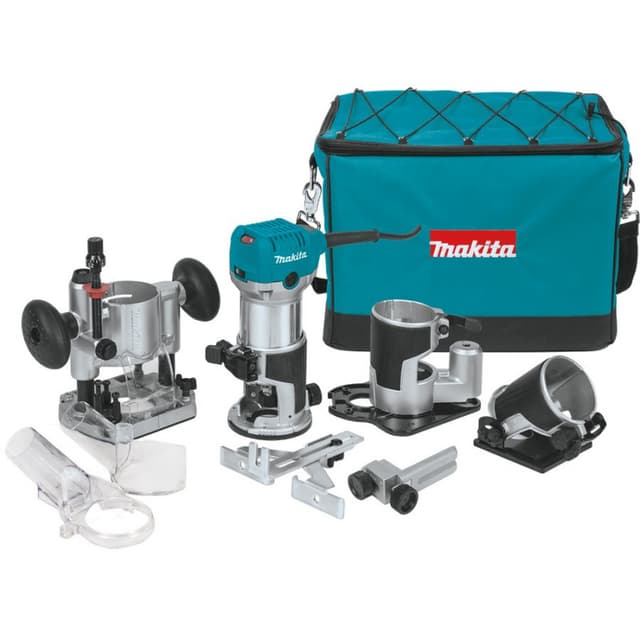
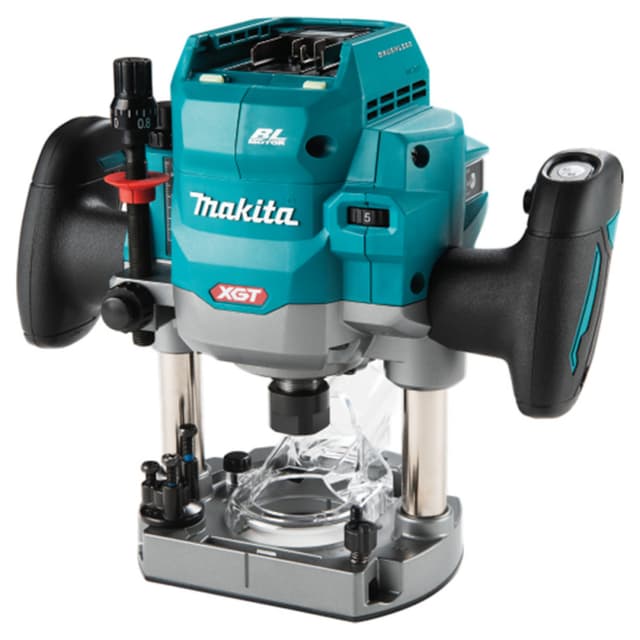
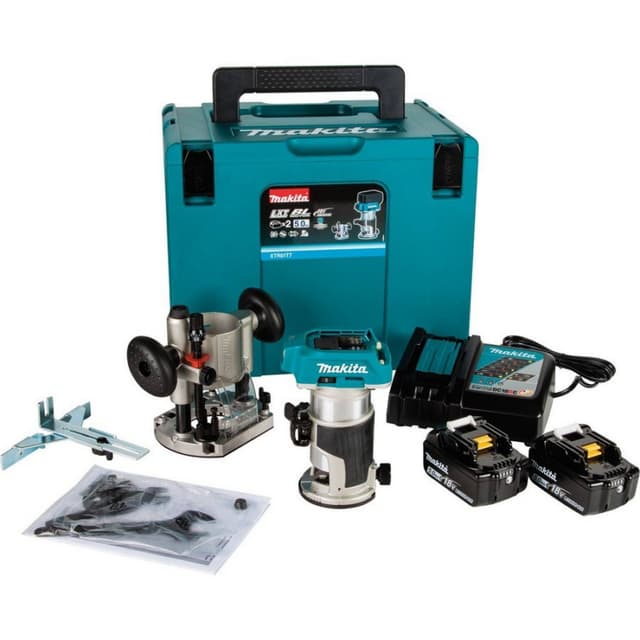
A fixed-base router is simple to set up and handles edge profiles and table mounting well. A plunge router lets you lower a spinning bit into the middle of a workpiece for mortises, stopped dadoes and inlays. Combo kits pair both bases with one motor if you need both kinds of cuts.
What size router do I need for cabinet and furniture work?
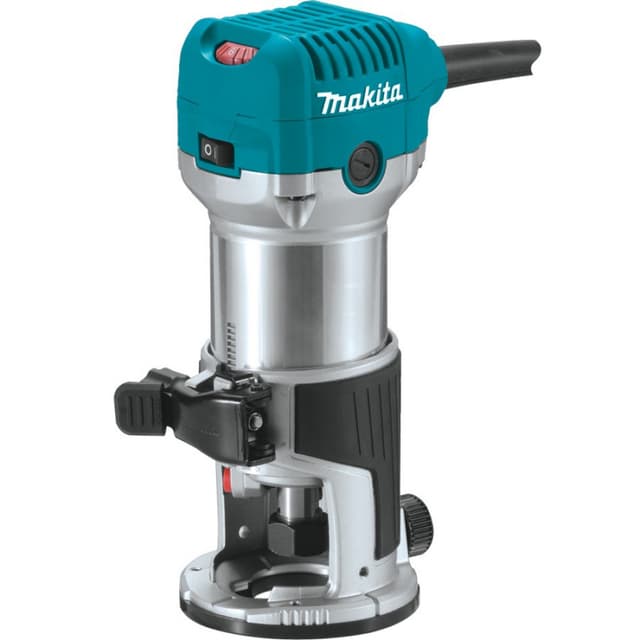
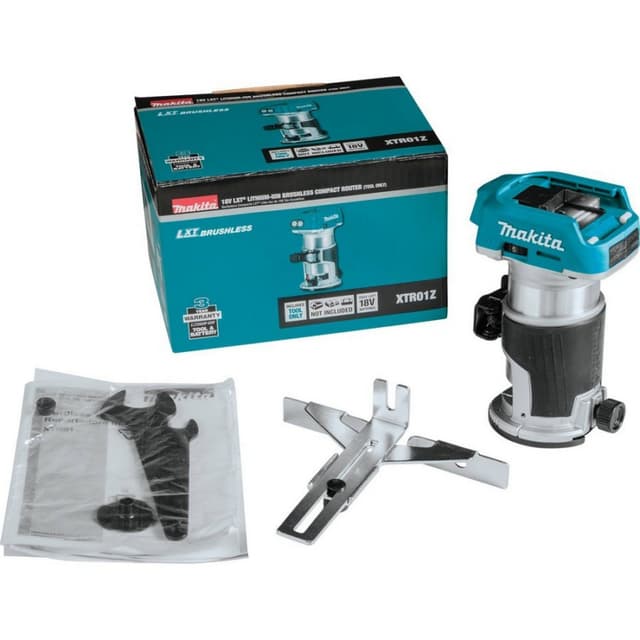
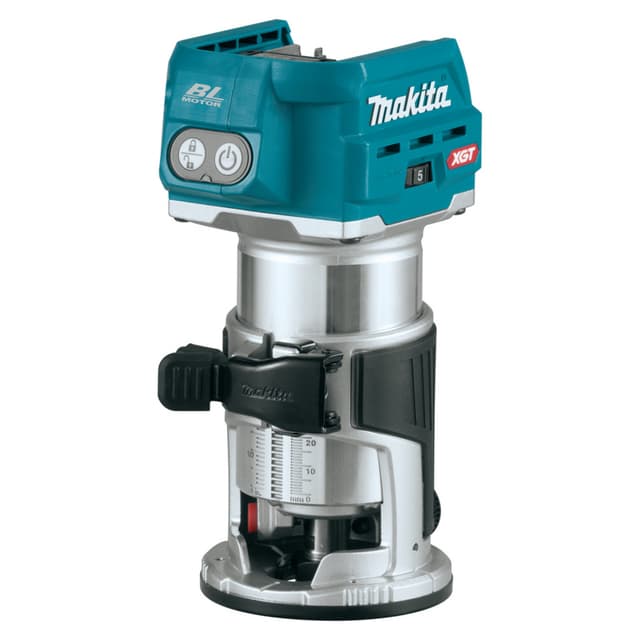
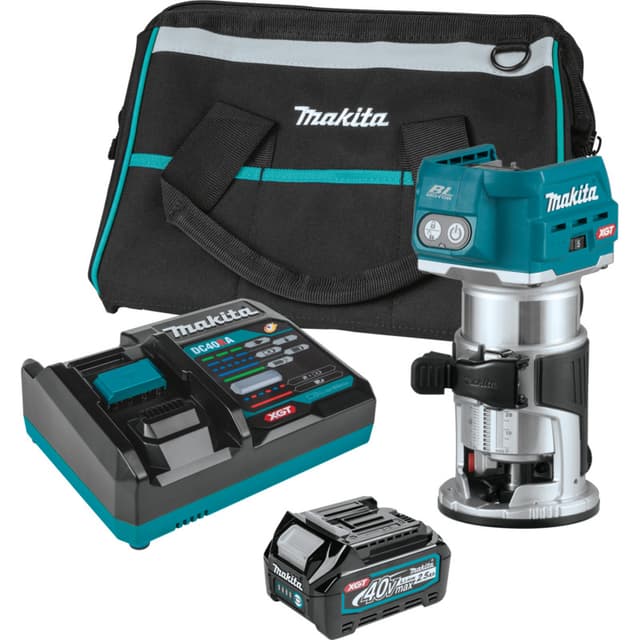
A compact or trim router handles edge rounding, laminate trimming and hinge mortises with one hand. A mid-size model covers most joinery and template work, while larger models with 1/2-inch collets suit big panel-raising bits and table use. Match motor power and collet size to the largest bits you plan to run.
How does setting the right speed improve your cuts?
Running large-diameter bits at lower speeds and small bits at higher speeds helps prevent scorching, chatter and bit damage. The right speed leaves a cleaner surface, so you spend less time sanding profiles. Check the bit maker's maximum speed rating and slow down as bit diameter goes up.
Which direction should I feed a router?
Feed a handheld router counterclockwise around the outside of a workpiece and clockwise around the inside of an opening, as seen from above, so the bit's rotation pulls it into the wood. On a router table, feed the workpiece right to left against the bit. Feeding the wrong way, called climb cutting, can grab the tool and pull it out of control.
Why is my bit chattering or leaving a rough cut?
Chatter often comes from a bit that is not seated deep enough in the collet, a worn collet, a dull bit, or too deep a pass. Insert the shank most of the way without bottoming it out, then tighten the collet firmly. Take lighter passes in hardwood and clean resin off the bit.