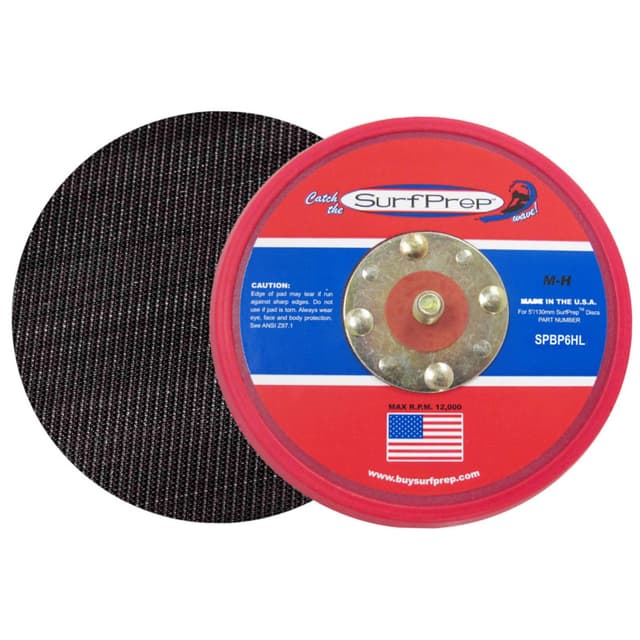
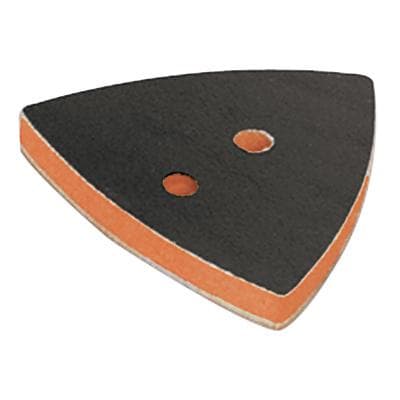
How do I choose a backup pad for my sander?
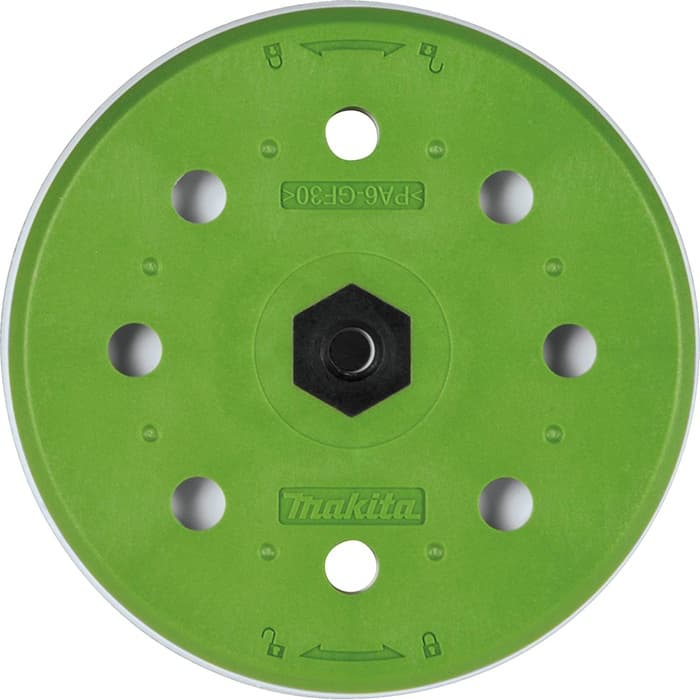
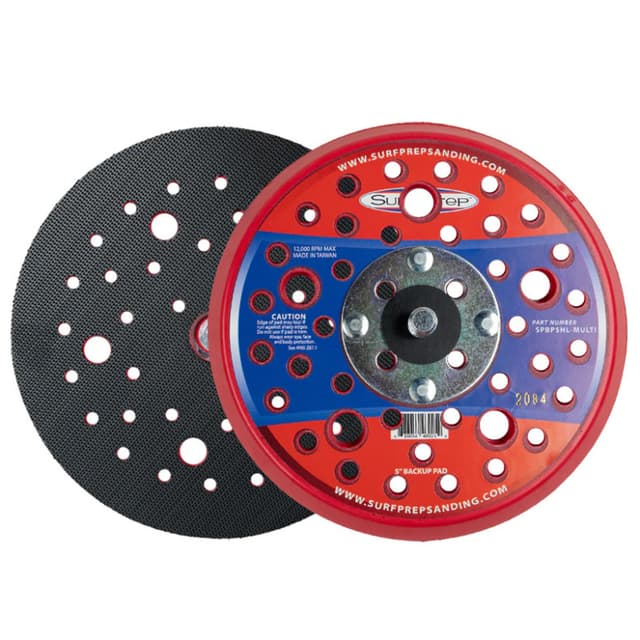
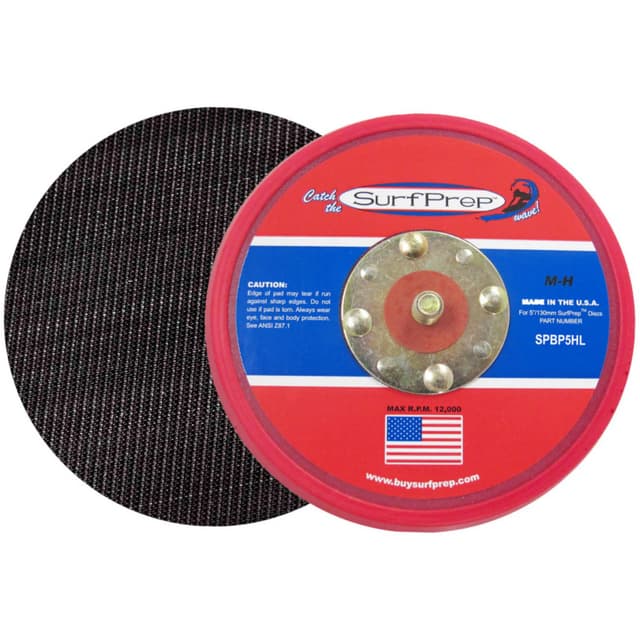
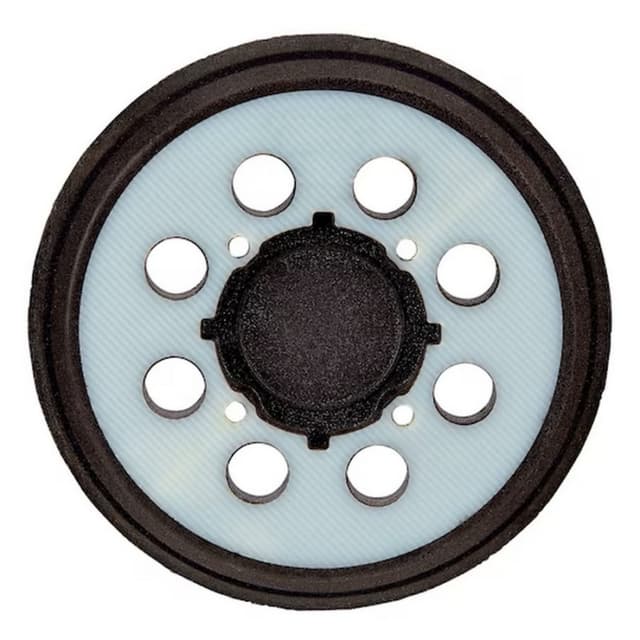
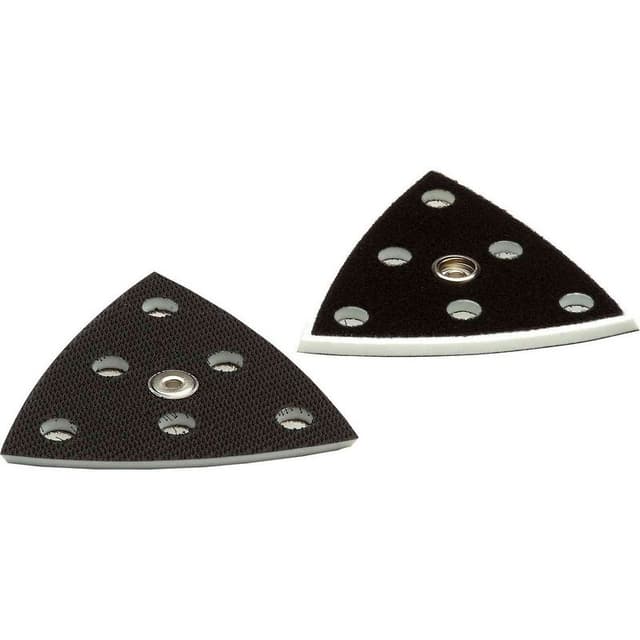
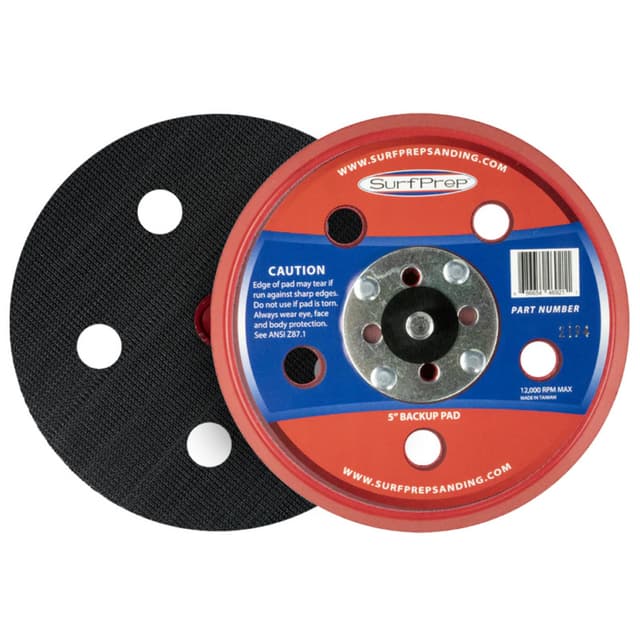
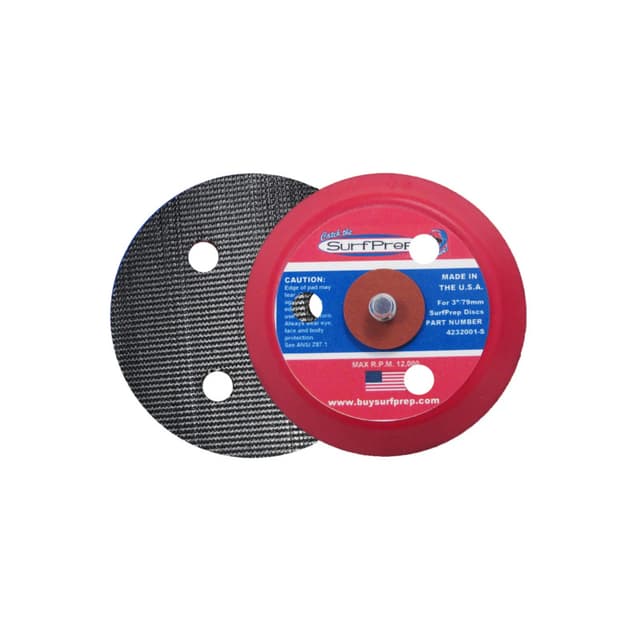
Match the pad's diameter, mounting thread and hole pattern to your sander, and make sure its rated speed meets the tool's top speed. Then match the face to your abrasives: hooks to grip hook-and-loop backings, or a plain smooth face for PSA. The sander maker's specifications list the correct thread and size.
Should I choose a hard, medium or soft backup pad?
Choose a hard pad for flat surfaces, veneer and edges, because it keeps the abrasive flat and limits rounding over. A medium pad is the common all-around choice for general sanding. Choose a soft pad for curves, profiles and fine finishing, since it lets the disc follow the shape, but keep it off veneer and crisp edges.
How does an interface pad help on contoured work?
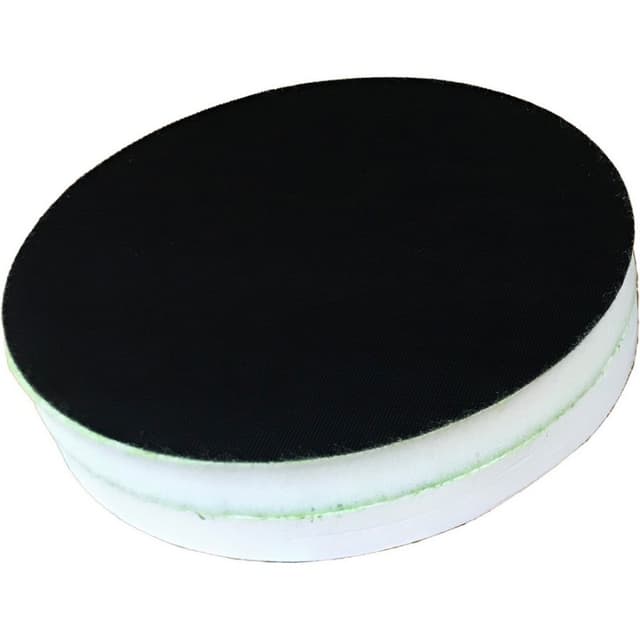
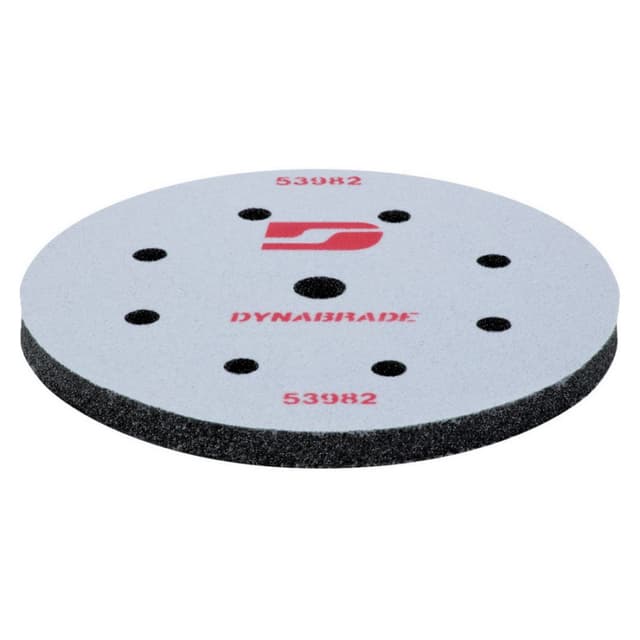
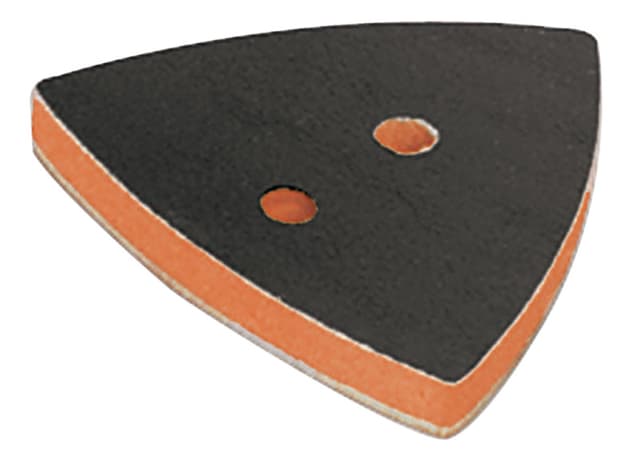
An interface pad is a thin, soft layer that sits between the backup pad and the disc. It lets the abrasive follow curves and spreads pressure evenly, which helps prevent gouges on shaped parts and softens the cut for fine finishing. Its holes must line up with both the backup pad and the disc so dust still flows to the extractor.
Why won't my hook-and-loop discs stay on the backup pad?
Worn hooks are the usual cause. Heat from heavy pressure, or from running the sander tipped on its edge, melts or flattens the hooks, and caked dust weakens the grip. Use light pressure, keep the pad face clean, and replace the pad, or fit a pad saver, when discs start to slip or fly off.
Can I use a backup pad from one sander brand on another?
Sometimes, if the diameter, mount or thread, hole pattern and speed rating all match. Many sanders share a common thread, but some use brand-specific mounts, so check the sander's manual before you swap. A pad that is not balanced for the tool can vibrate, leave swirl marks and wear the sander's bearings.