Which edgebanding tools do I need for hand-applied edge banding?
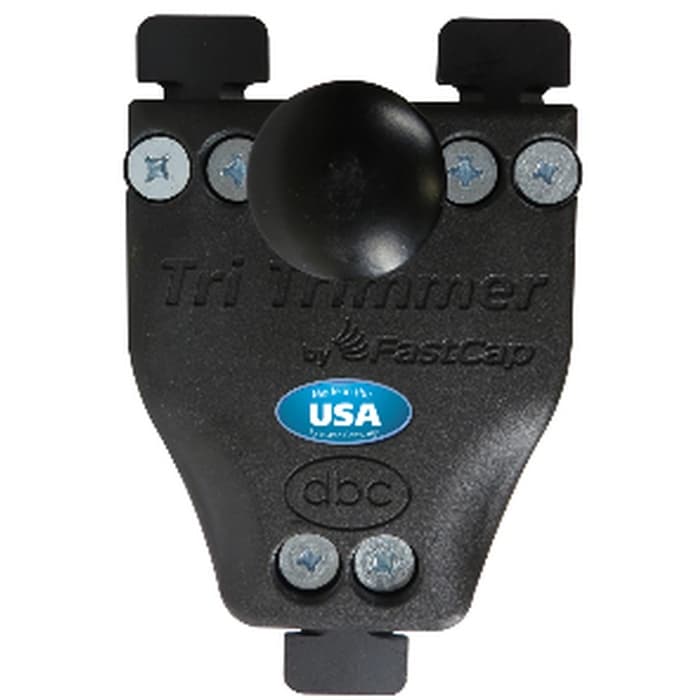
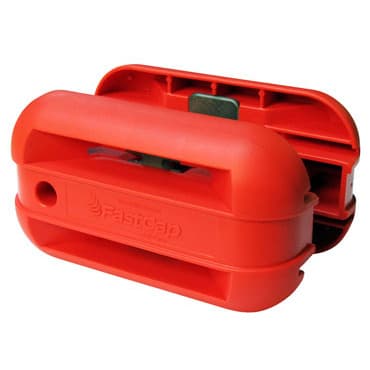
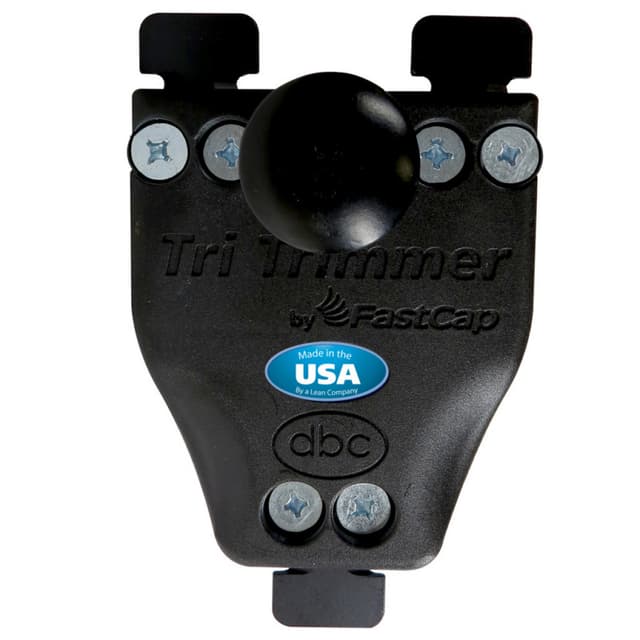
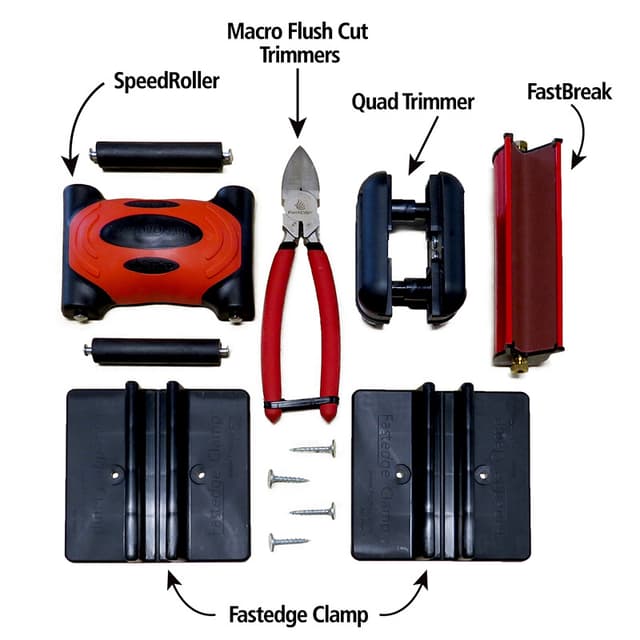
A basic setup includes an iron or heat source for pre-glued banding, a roller or block to press it down, an end trimmer and an edge trimmer to cut it flush. Add a file or sanding block to ease the sharp corner. Double-sided trimmers save time if you band both faces of thin panels often.
How do I choose edge trimmers for wood veneer versus PVC banding?
Wood veneer trims cleanly with sharp blade trimmers, but it can split along the grain, so watch the grain direction as you cut. PVC and thicker banding often need a trimmer made for that thickness, or a router fitted with a bearing-guided flush bit. The tool's specs list the banding thickness it handles.
Why do hand edgebanding tools give cleaner panel edges than a knife?
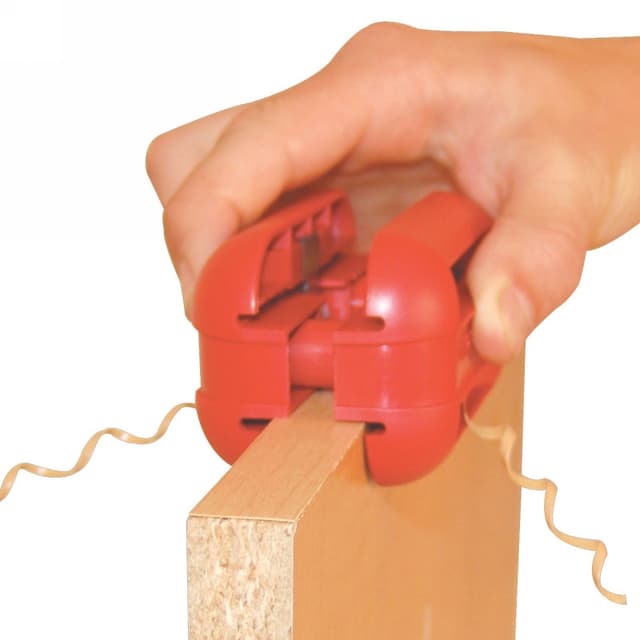
Trimmers ride on the panel face and cut the banding flush, which avoids gouging the veneer or laminate the way a loose knife can. Clean, flush edges need less sanding and give a finished look that hides the core material.
Why is my edge banding peeling off?
Peeling usually comes from too little heat, too little pressure or a dusty panel edge. Heat the glue fully, press firmly right after with a roller and make sure the edge is clean and square. A cold shop can also weaken the bond.
How do I keep trimmer blades cutting cleanly?
Clean glue buildup off the blades with a solvent the trimmer maker approves, and replace blades once they start tearing instead of cutting. Store trimmers so the blades don't rest against metal tools or hardware.