Which ratchet drive size do I need?
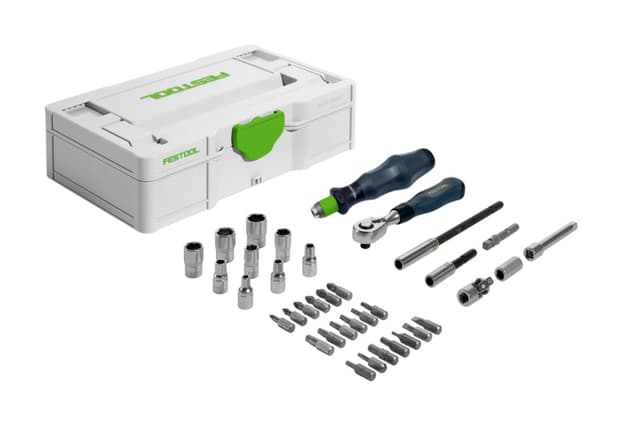
Use 1/4-inch drive for small fasteners and tight spaces, 3/8-inch drive for general machine and assembly work, and 1/2-inch drive for larger bolts that need more torque. Match the drive to the sockets you own or plan to use.
When is a T-handle better than a ratchet?
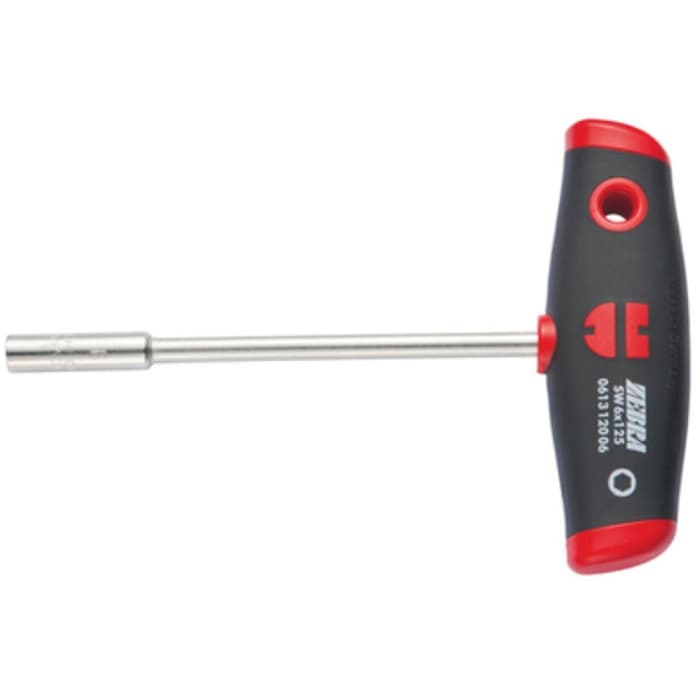
A T-handle lets you spin fasteners quickly and gives even, two-handed leverage, which suits hex drivers and repeated machine adjustments. A ratchet works better when there isn't room to turn a handle a full circle.
How does a fine-tooth mechanism help in tight spaces?
More teeth means a smaller swing between clicks, so you can turn a fastener with only a few degrees of handle movement. That helps inside cabinets, behind machines and around mounted hardware. You spend less time repositioning the handle, and you avoid scraping knuckles or finished surfaces in cramped spots.
Why does my ratchet slip?
Worn or dirty pawls and gears are common causes. Clean the mechanism and add a light lubricant as the manufacturer directs. If it still slips, rebuild it with the maker's repair kit or replace it.
Is it safe to add a cheater bar for extra leverage?
No. A pipe slipped over the handle can overload the gears and make the tool break or slip, which can injure your hands. Use a breaker bar or a larger drive size for stubborn fasteners.