How do I choose the right rivet size for my riveter?
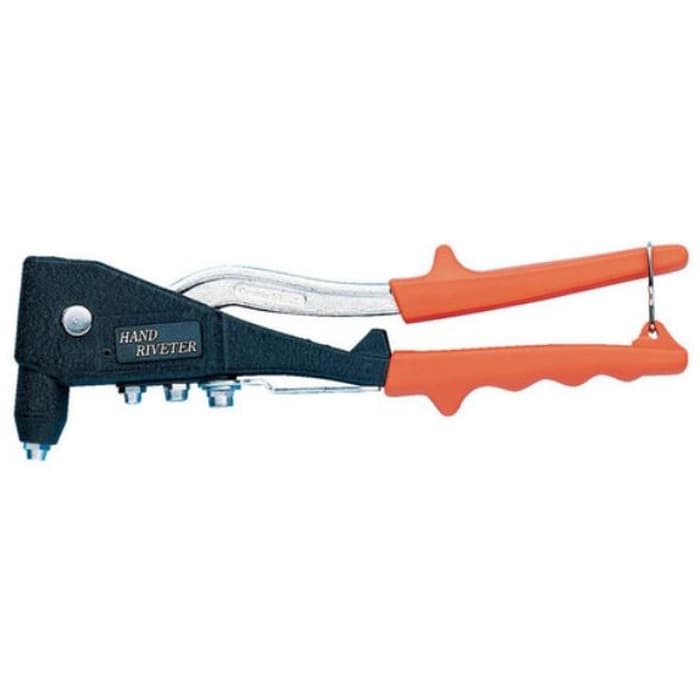
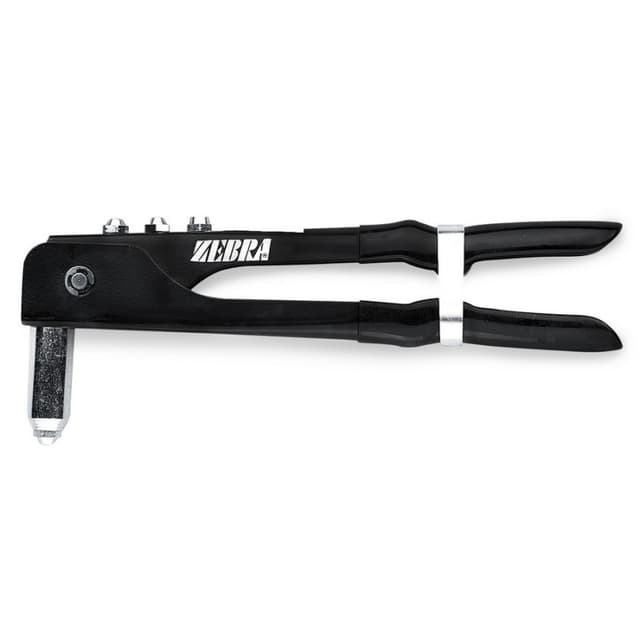
Match the rivet diameter to the drilled hole and to the nosepiece on the tool, and choose a grip range that covers the total thickness of the parts. Hand riveters typically come with several nosepieces for common diameters.
Should I use aluminum, steel or stainless fasteners?
Aluminum rivets set easily and work well in light materials, steel rivets give more strength, and stainless steel resists corrosion outdoors or in damp areas. Match the rivet metal to the parts when you can to reduce corrosion.
Why use a blind fastener instead of a screw?
A blind rivet installs from one side and won't back out from vibration, so it holds well in thin metal and plastic where screw threads can strip. That makes it useful for fastening thin brackets, panels and trim.
Why isn't my riveter setting the fastener fully?
The rivet may be too long for the material, the nosepiece may be the wrong size or the jaws may be worn or clogged. Clean the jaws, fit the matching nosepiece and check the grip range.
How do I remove a pop rivet?
Drill out the head with a bit the same size as the rivet body, then tap the rest through with a punch. Wear eye protection and support the back of thin material while drilling. Center-punch the mandrel hole first so the bit doesn't wander, and stop as soon as the head pops free to avoid enlarging the hole.