Which chisel types should I have for cabinet and furniture work?
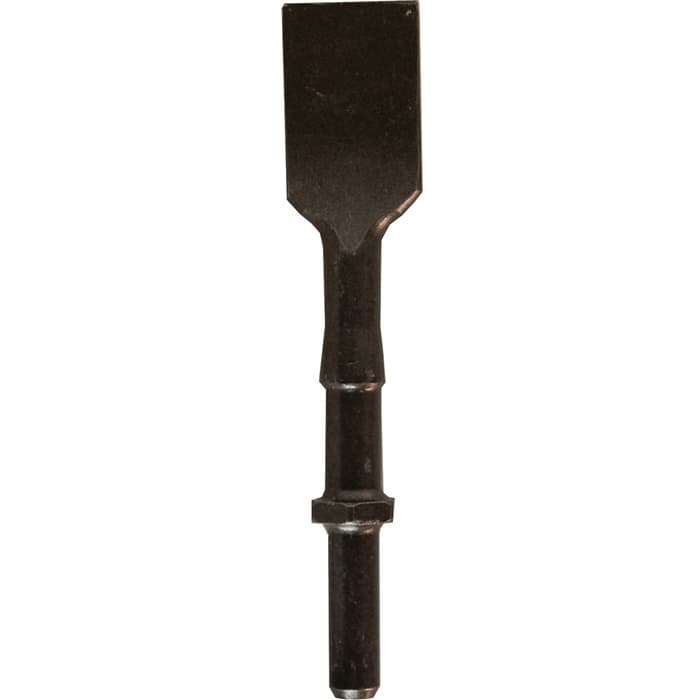
Bench chisels in a few widths handle most paring, fitting and chopping. Mortise chisels have thick blades for chopping deep mortises, and paring chisels are thin and long for fine trimming. Start with 1/4-, 1/2-, 3/4- and 1-inch bench chisels and add others as needed.
When should I use a card scraper instead of sandpaper?
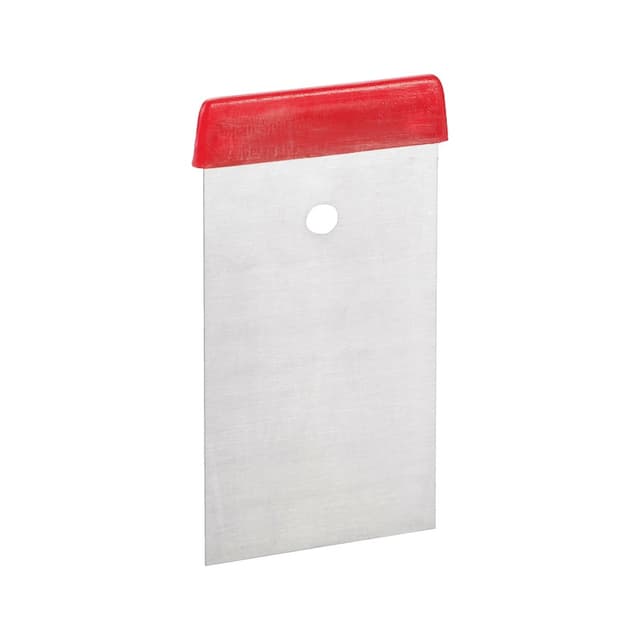
Use a card scraper on figured or tricky grain that tears out under a plane or clogs sandpaper. A sharp scraper takes fine shavings and leaves a smooth surface with little dust. Sandpaper still helps blend areas before finish.
How does a sharp scraper improve the finish?
A burnished scraper edge cuts fine shavings instead of scratching, which leaves a clean, flat surface with crisp details. It also handles figured grain that tends to tear out under a plane. That cuts sanding time, and the smooth surface takes stain and finish more uniformly, without blotchy scratch marks.
How do I sharpen a chisel?
Flatten the back on a stone first, then hone the bevel at a steady angle, often around 25 to 30 degrees, on progressively finer stones. Finish by removing the burr from the back. A honing guide helps hold the angle.
What safety tips apply to chisels and scraper blades?
Always cut away from your body and keep both hands behind the cutting edge. Clamp the work instead of holding it, and store chisels with edge guards. Wear gloves when handling sharp scraper blades. Never try to catch a falling chisel, and keep edges sharp, because a dull tool needs more force and slips more easily.