Should I choose a fixed-blade, retractable or snap-off utility knife?
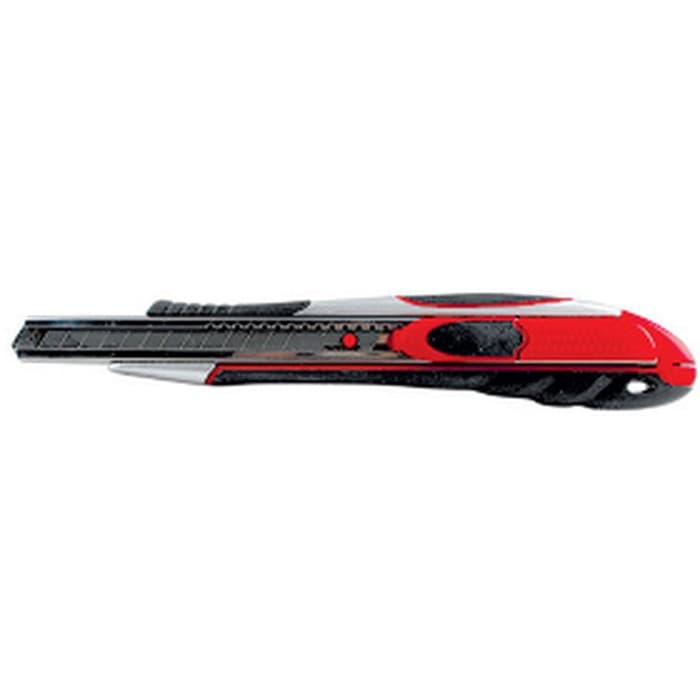
Fixed blades are steady for heavy cutting, retractable blades add safety when you carry the knife, and snap-off blades give a fresh tip when you break off a dull section. Choose the style that fits how often you cut and how you carry it.
Which replacement blades fit my knife?
Many standard utility knives take a common trapezoid blade, while snap-off knives use segmented blades sized by width, such as 9 mm or 18 mm. Check the knife's specs before choosing blades, and look at hook or scoring blades for laminate work.
How do sharp blades improve cut quality?
A fresh blade slices cleanly through veneer, banding and laminate without tearing fibers or chipping edges. It also takes less force, which lowers the chance of the blade slipping. Clean cuts mean less trimming and sanding afterward, and a straight scored line in laminate snaps more cleanly along the mark.
How often should I change a utility knife blade?
Change it as soon as it drags, tears or needs extra force. Dull blades slip more and cause more injuries than sharp ones. Put used blades in a blade bank or a sealed container. On snap-off knives, break off the dull segment with the tool's built-in snapper or pliers, never with your fingers.
What are safe cutting habits with a utility knife?
Cut away from your body, keep your other hand behind the blade and guide cuts with a straightedge that has a raised lip. Retract or cover the blade when you aren't cutting, and wear cut-resistant gloves for long sessions.