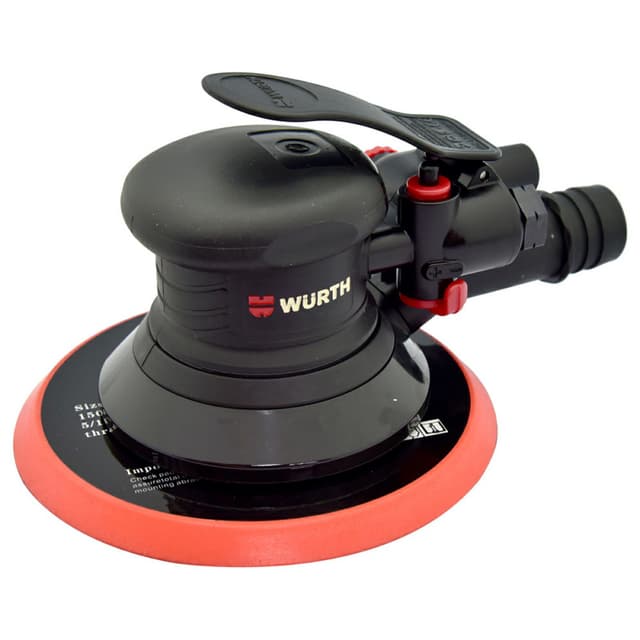
Which sander should I use for flat panels versus edges and profiles?
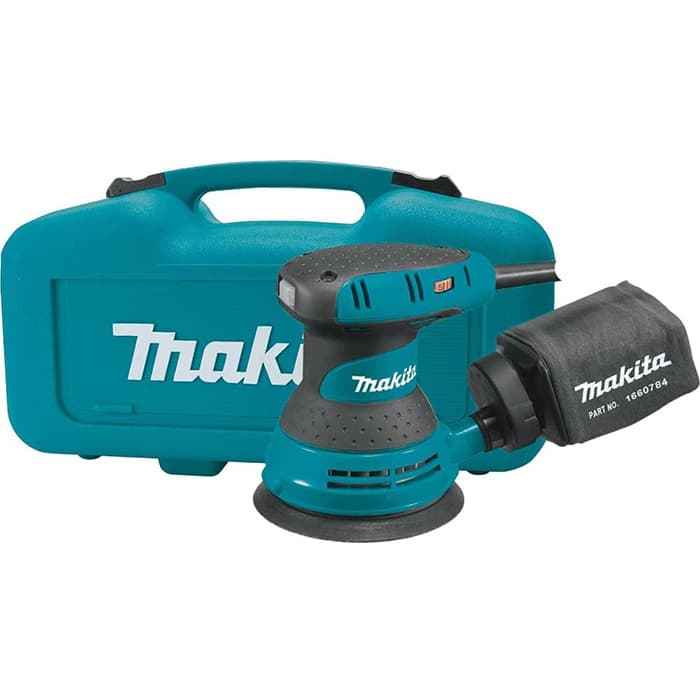
A random orbital model is the usual choice for flat panels, doors and tabletops because it leaves few visible scratch patterns. A belt model removes stock fast on rough or uneven surfaces but needs a careful hand. Detail and profile tools reach corners, moldings and tight spots that a round pad cannot.
What orbit size should I choose for a random orbital sander?
A larger orbit, around 5 mm, removes material faster and suits the early grits. A smaller orbit, around 2.5 to 3 mm, leaves a finer scratch pattern for final sanding before finish. Some shops run two sanders, one for each stage, so they never have to slow down a coarse tool for the last passes.
How does dust extraction improve your sanded finish?
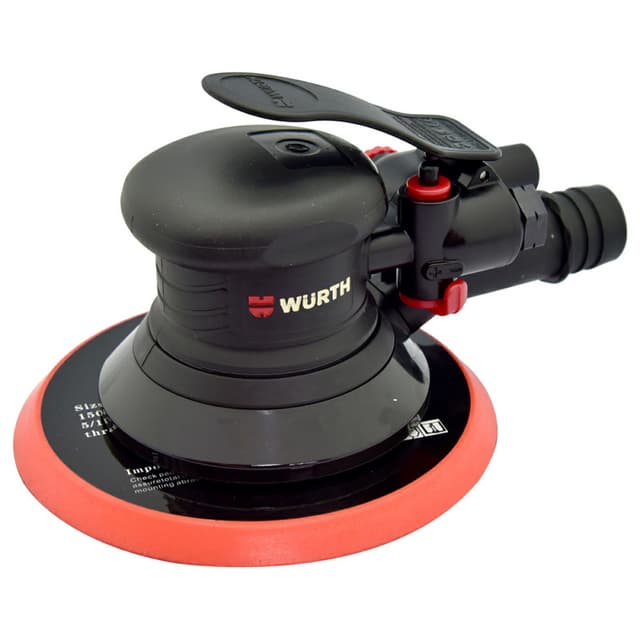
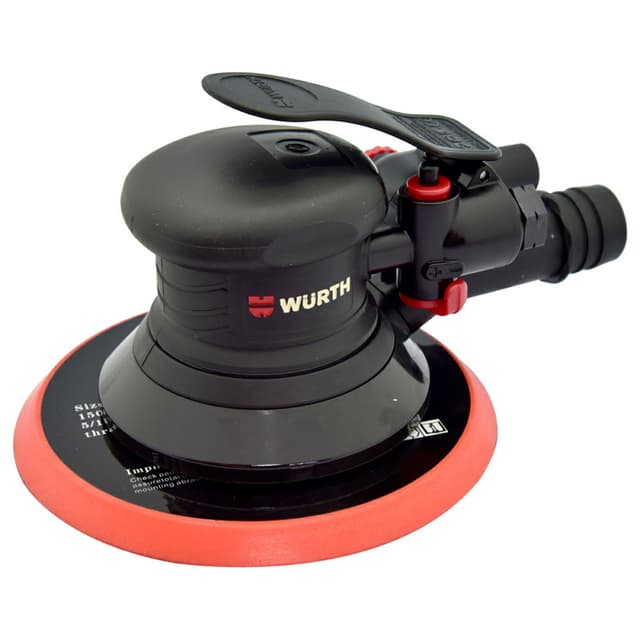
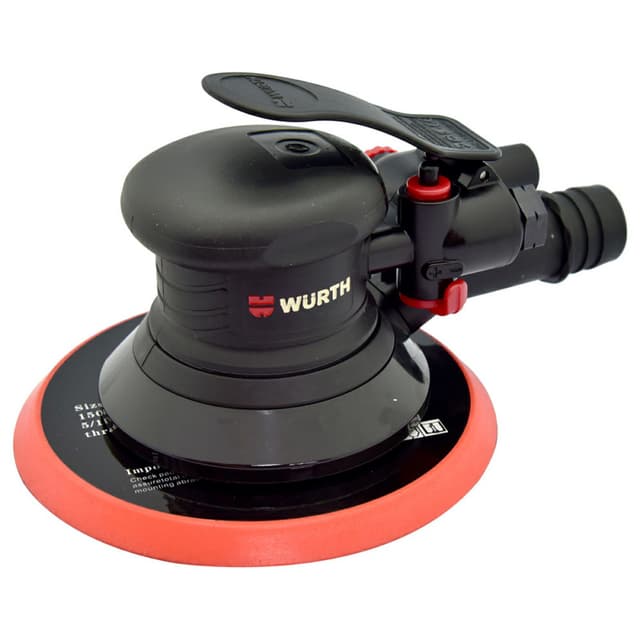
Extraction pulls dust out from under the pad, so the abrasive cuts cleaner and loose grit does not roll around and leave stray scratches. Discs also load up more slowly, so they keep cutting longer. The surface stays clearer, so you can spot defects before finishing, not after.
Should I use pneumatic or electric tools for production sanding?
Pneumatic models are light and run cool, which suits all-day production work, but they need a compressor sized for their air demand. Electric models plug in anywhere, and many offer built-in speed control and dust ports. Compare the air consumption on a pneumatic model's spec sheet with your compressor's output before you switch.
Why is my sander leaving swirl marks?
Swirl marks usually come from skipping grits, pressing too hard, moving too fast, or a worn pad. Step through the grits without big jumps, rest your hand lightly on the sander, and move slowly with overlapping passes. Check the surface under a low, raking light before you apply stain.