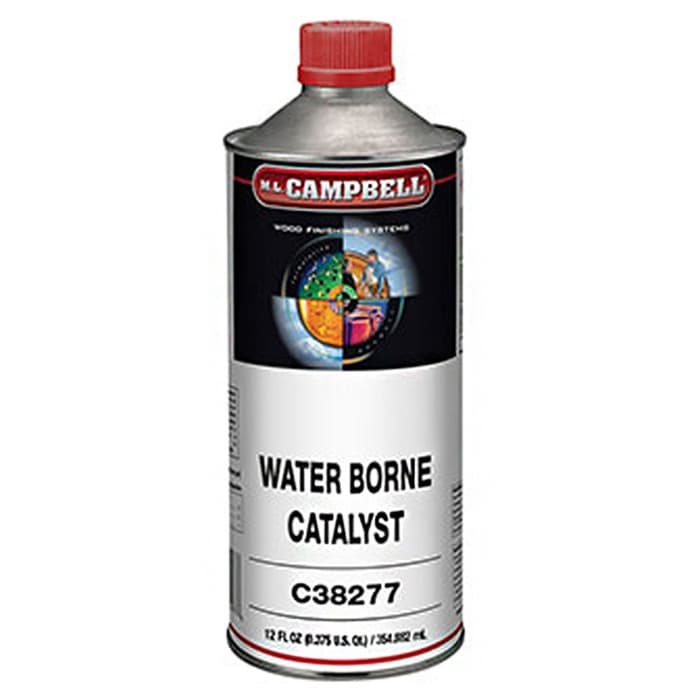
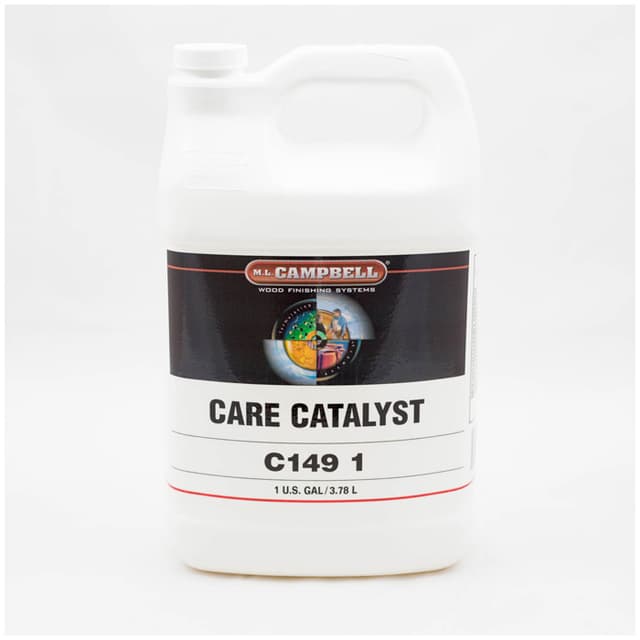
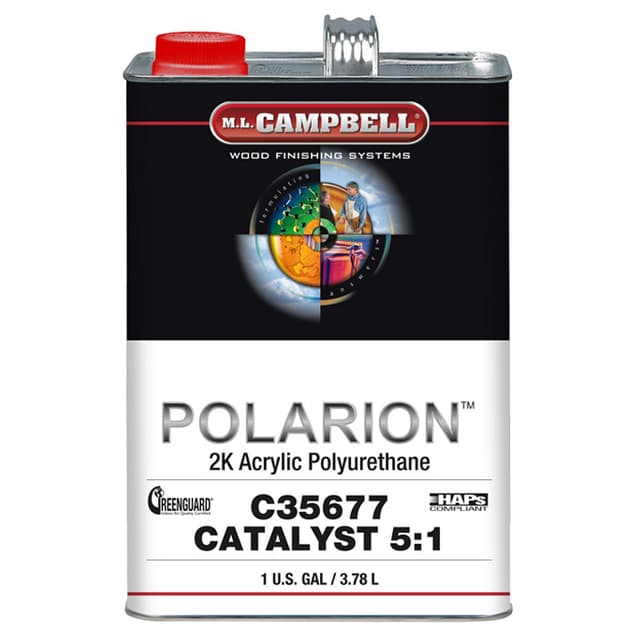
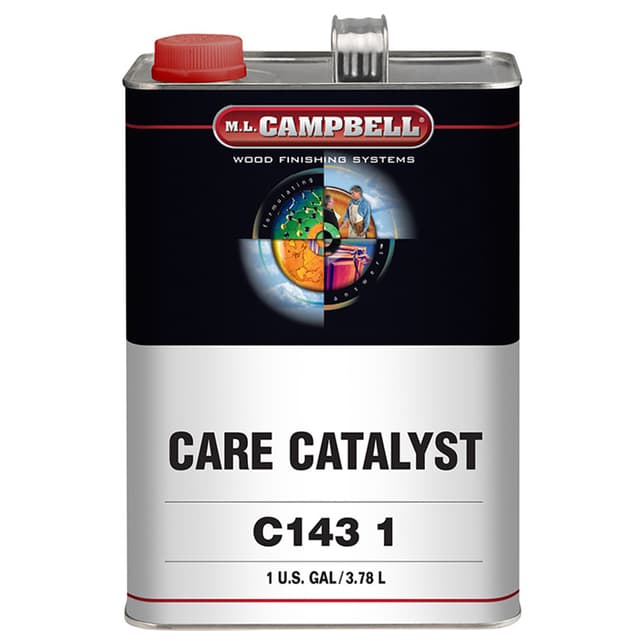
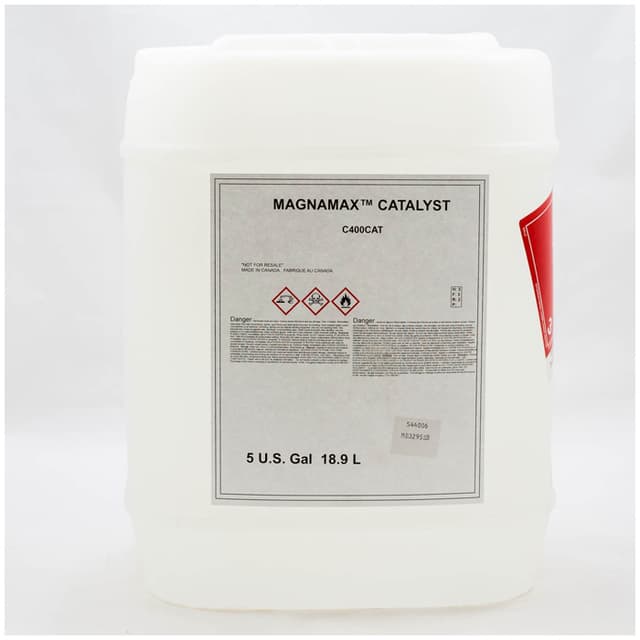
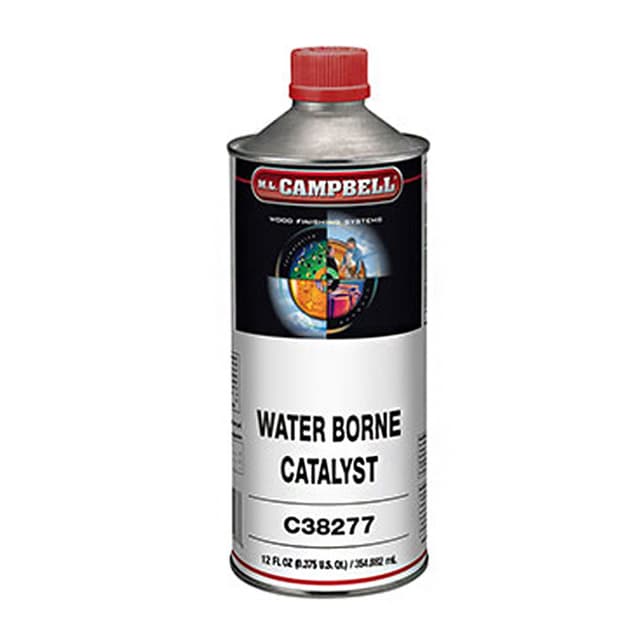
How do I pick the right catalyst for my finish?
Use the catalyst the coating maker names for that exact product. Catalysts are matched to the resin, so a hardener made for one conversion varnish or post-catalyzed lacquer may not cure another one properly. The product's technical data sheet lists the correct catalyst and the mix ratio.
Are acid catalysts and isocyanate hardeners interchangeable?
No. Acid catalysts cure conversion varnishes and many post-catalyzed lacquers, while isocyanate hardeners cure two-part polyurethanes. Each needs its own handling: isocyanates call for proper respiratory protection, and acid catalysts can attack metal parts if left in equipment. Choose based on the coating system you spray.
What do I gain by mixing a two-part finish correctly?
A correctly mixed finish cures to full hardness, so it resists water, household cleaners and scuffs on kitchen and office pieces. Getting the ratio right also prevents soft films that print or stay tacky. That means fewer callbacks and less refinishing.
What happens if I add too much or too little catalyst?
Too little catalyst leaves the finish soft and weak against chemicals. Too much can cause brittleness, cracking, poor adhesion or a cloudy film with some coatings. Measure by volume or weight exactly as the data sheet states, using marked mixing cups instead of guessing.
How long is a catalyzed finish usable after mixing?
You can spray it until the pot life on the data sheet runs out, which ranges from a few hours to a day or more depending on the product. Heat shortens pot life. Mix only what you will use, write the mix time on the container, and clean guns and lines before the material starts to gel.