What voltage cordless drill do I need for woodworking?
A compact 12V drill is light and easy to control for cabinet hardware and assembly. An 18V or 20V max drill handles larger bits, hole saws and longer runtime. Many cabinetmakers keep one of each.
Should I use a drill/driver or a hammer drill?
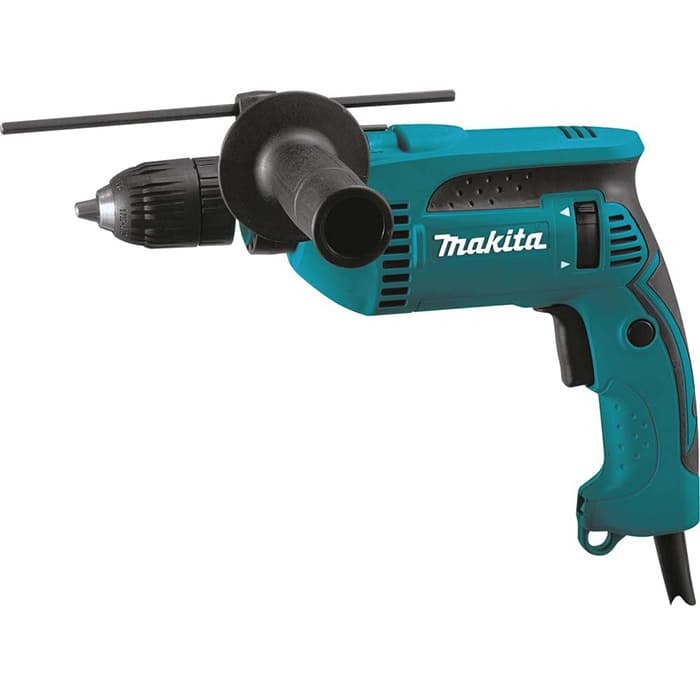
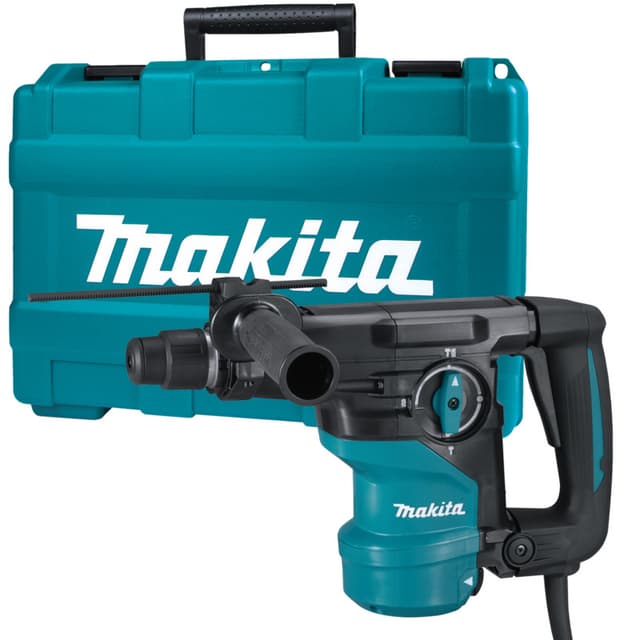
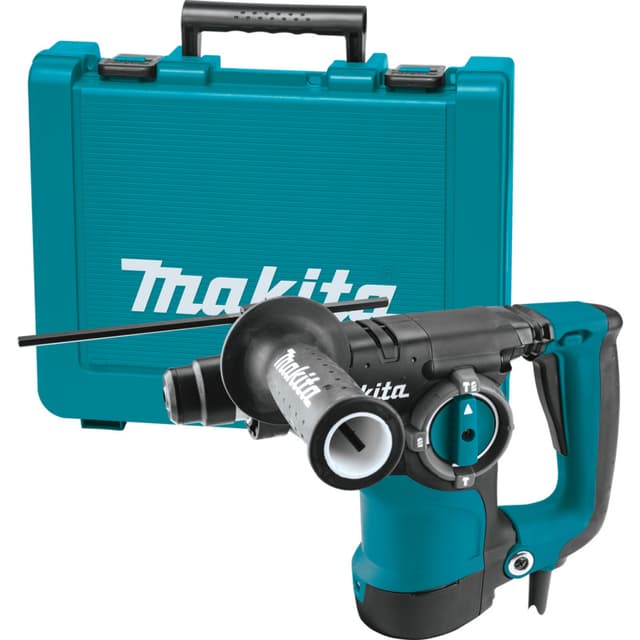
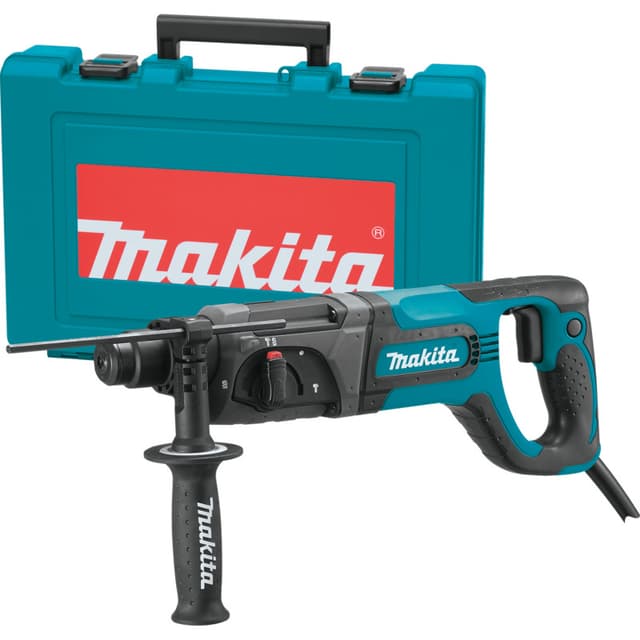
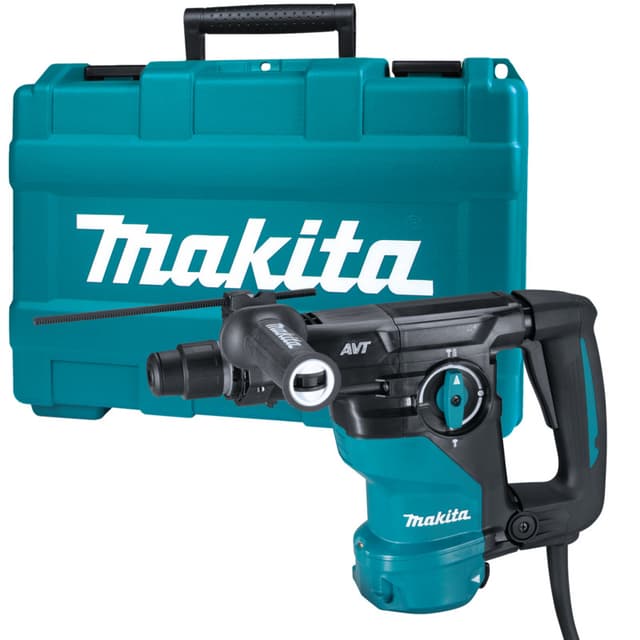
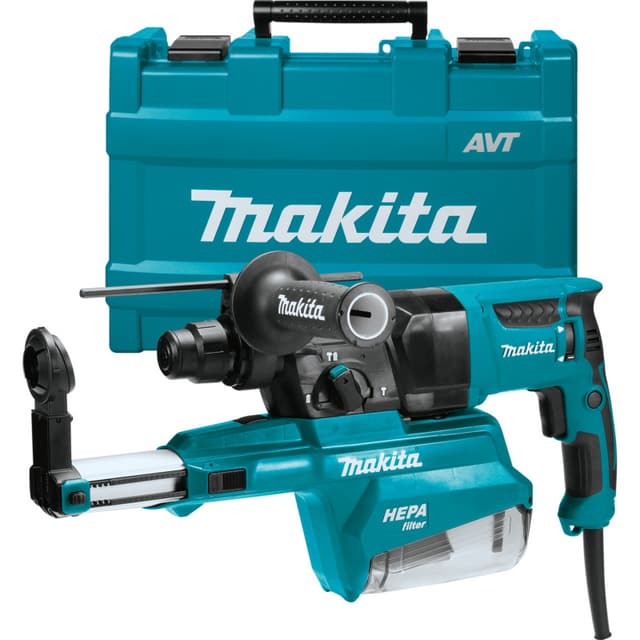
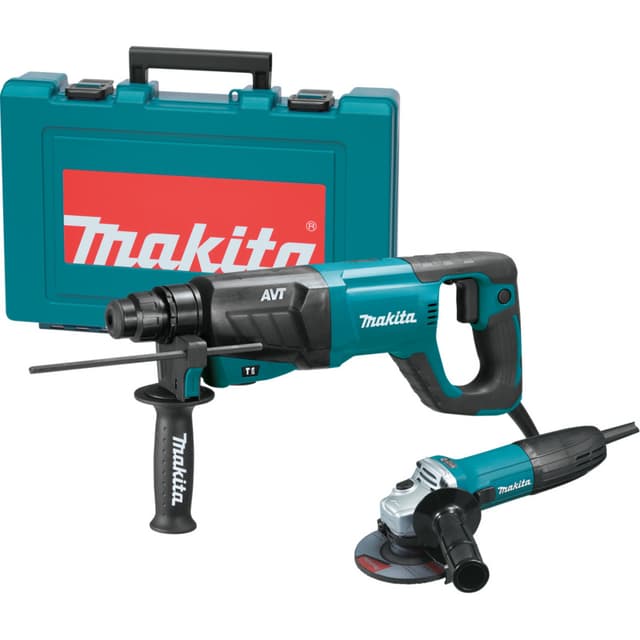
A drill/driver handles wood, metal and fastening. A hammer drill adds a hammering action for drilling into brick, block and concrete, which helps when you mount cabinets on masonry walls. Turn hammer mode off for wood.
How does a drill's clutch help with cabinet assembly?
The clutch slips at a set torque, so screws stop at the same depth without stripping out in particleboard or MDF or snapping small screws. That keeps hardware secure and protects the work surface. Start at a low clutch number on a test screw and raise it one step at a time until the head seats flush.
What speed setting should I use for large bits?
Use lower speeds for large bits like spade bits, Forstner bits and hole saws, and higher speeds for small twist bits. Too much speed on a big bit burns wood and dulls the cutter. Most drills have a gear selector, so set it to the low range for big holes and let the bit cut without forcing it.
How do I keep a bit from wandering when I start a hole?
Mark the center with an awl or punch, start slowly and hold the tool square to the surface. In wood, a brad-point bit gives a clean, centered start. On metal or slick surfaces, a strip of masking tape over the mark helps the bit grip, and a small pilot hole guides a larger bit.