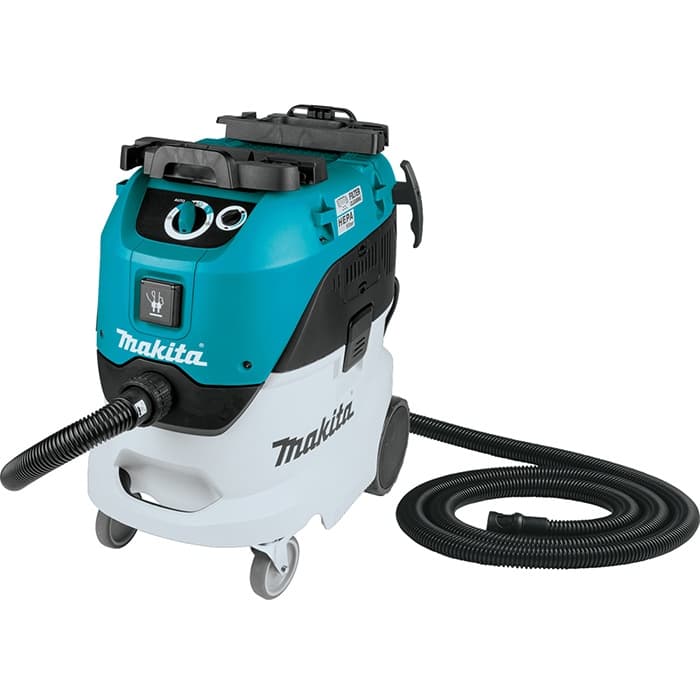
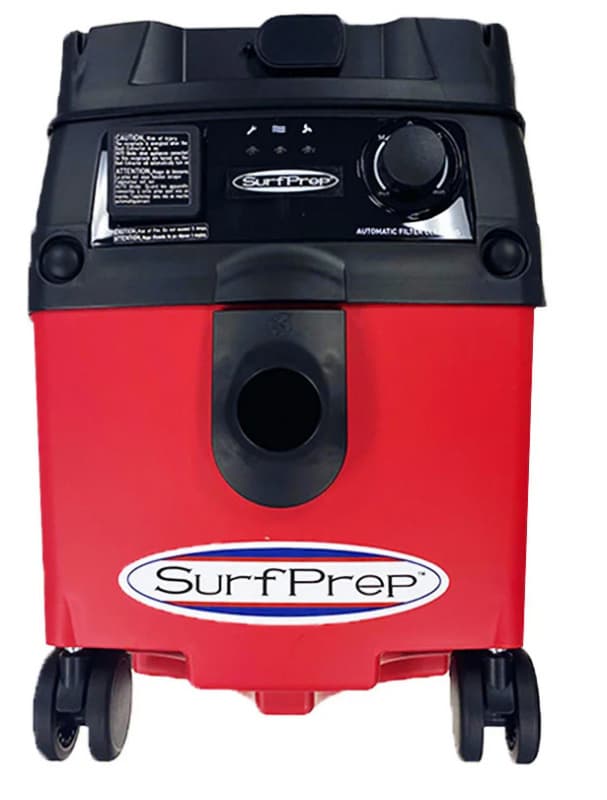
Should I use a dust collector or a dust extractor?
A dust collector moves large volumes of air to pull chips from stationary machines like table saws, planers and jointers. A dust extractor creates higher suction through smaller hoses for handheld sanders, routers and track saws, usually with finer filtration.
How do I size a dust collection system for my shop?
Add up the airflow (CFM) needed by the machines you'll run at the same time, then allow for losses from hose length, bends and blast gates. Machine manuals usually list the required airflow and port size.
How does dust collection improve sanding results?
Extraction at the sander pulls dust from between the pad and the work, so the abrasive cuts instead of riding on loose dust. That gives a more even scratch pattern, longer abrasive life and fewer swirl marks.
How often should I empty or clean my dust collector filter?
Empty the bag or drum before it gets more than about two-thirds full, and clean or shake out the filter often, since a clogged filter drops suction. Follow the manufacturer's maintenance schedule. If suction falls off at the tool between cleanings, check the filter first, then look for clogs or leaks in the ducts.
Is a dust collector a fire risk?
Yes, fine wood dust can burn, so treat a collector as a fire risk you need to manage. Keep systems grounded, never suck up sparks or hot metal and empty bins regularly. Follow the manufacturer's instructions and local fire codes, and use a separate collector for grinding metal rather than sharing one with wood dust.