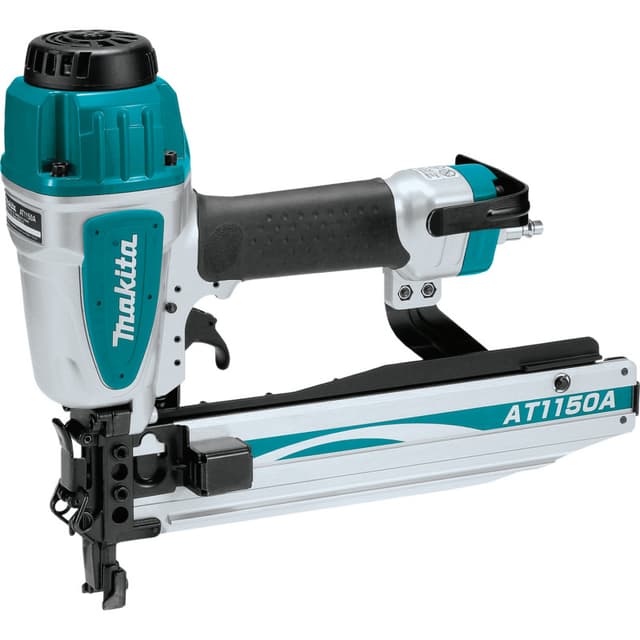
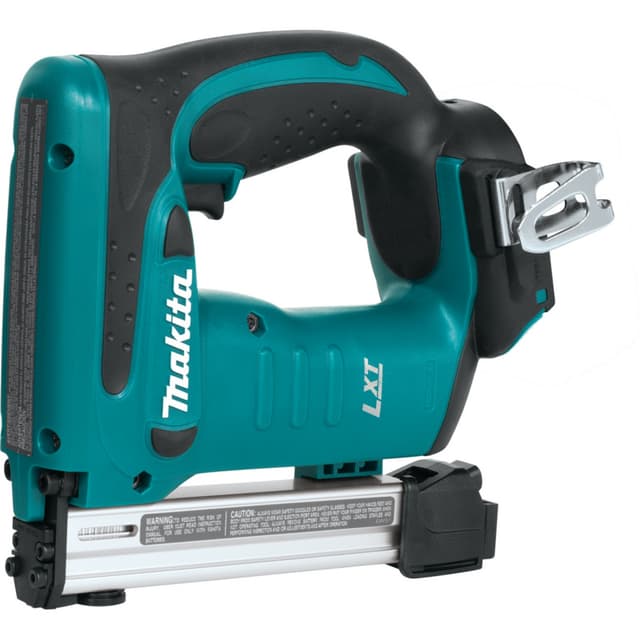
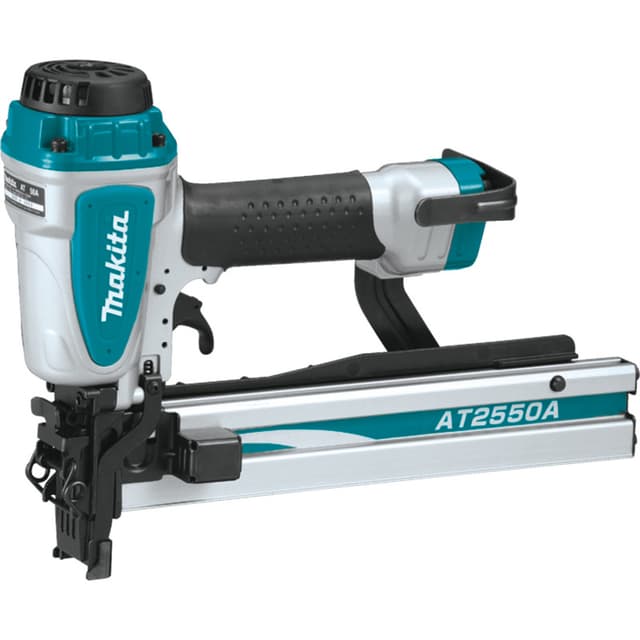
Should I choose a pneumatic, electric or manual stapler?
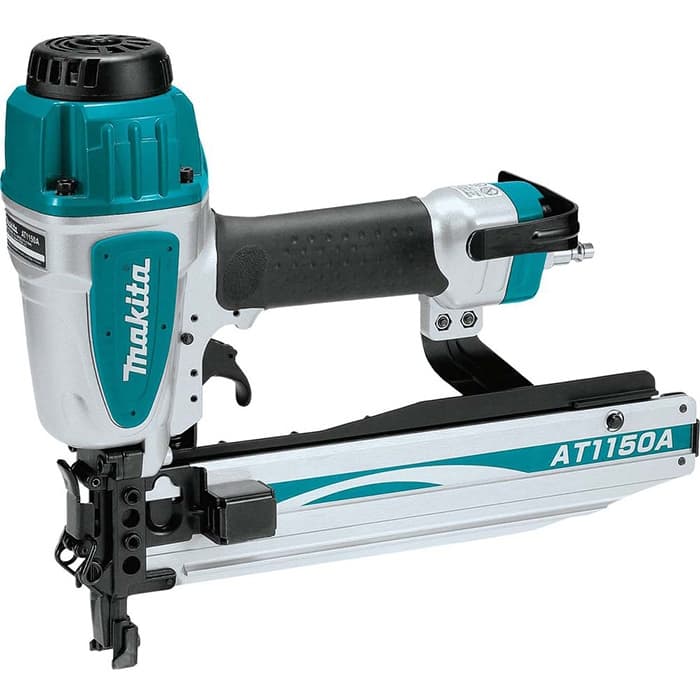
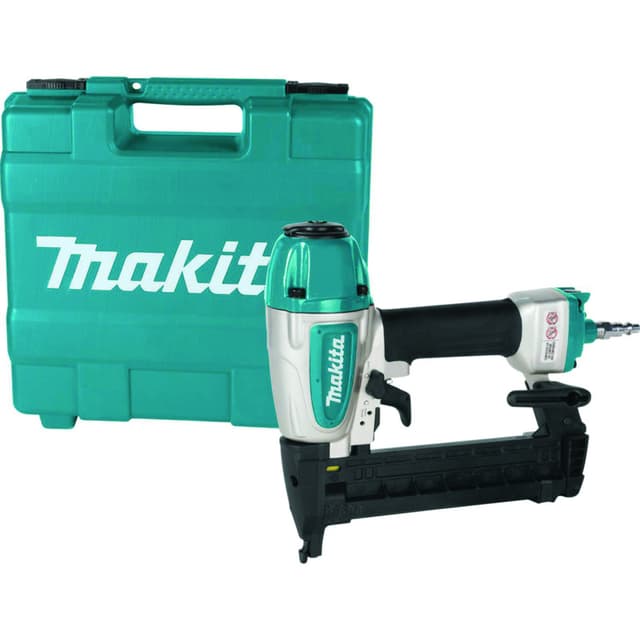
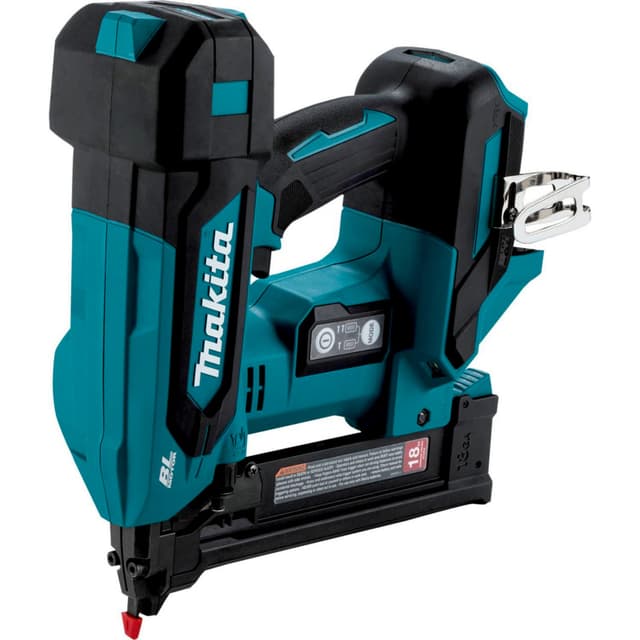
Pneumatic staplers suit steady production work like upholstery and case backs, as long as you have a compressor. Electric and cordless models work well for lighter jobs or where air lines get in the way. Manual staplers are fine for occasional fabric or screen work but tire your hand on long runs.
What staple crown and leg length do I need?
Narrow crown staples hold trim, fabric and thin panels with a less visible fastener, while wider crowns grip sheet materials and backing better. Pick a leg length that goes well into the base material without poking through the far side. Each tool takes a specific staple series, so check its specifications for compatible staples.
How does depth adjustment improve fastening with staples?
Adjustable depth lets you set staples flush in hardwood without sinking them too deep in softwood or fabric. The right depth keeps the material tight without tearing fabric or crushing thin panels. That cuts down on pulled staples, re-driving and patch work.
Why does my stapler keep jamming?
Jams often come from the wrong staple series, bent or broken strips, low air pressure on pneumatic tools, or a worn driver blade. Use the staples listed for your tool, keep the magazine clean, and set pressure within the tool's rated range. Always disconnect air or power before you clear a jam.
How should I maintain a pneumatic stapler?
Add a few drops of pneumatic tool oil to the air inlet daily unless the manual says the tool is oil-free. Drain moisture from your compressor tank and use a filter to keep water out of the tool. Wipe down the nose and magazine, and check for loose screws regularly.