What size angle grinder should I choose?
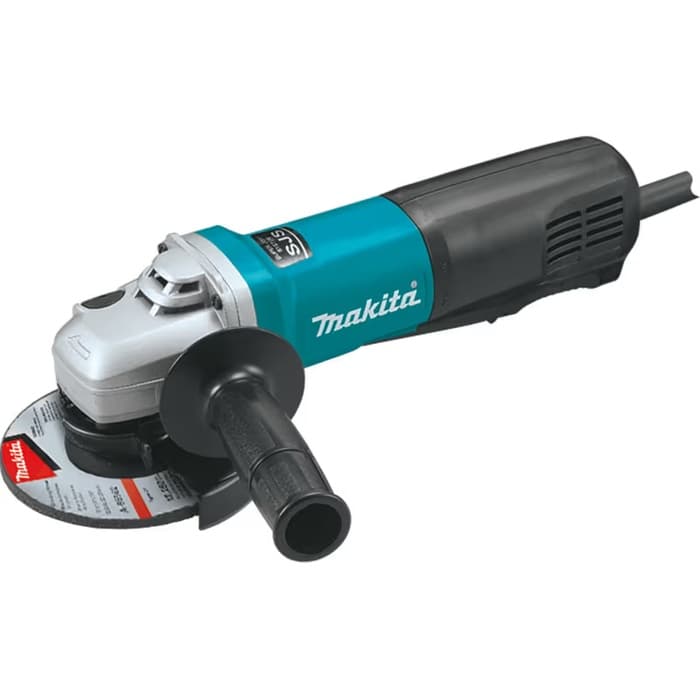
4 1/2-inch and 5-inch grinders handle most cutting, grinding and finishing and are easy to control. Larger 7- and 9-inch grinders are for heavy stock removal and cutting thick material. Choose the size that matches the wheels you plan to use.
Which switch type should I choose, paddle or slide?
A paddle switch stops the tool as soon as you let go, which adds control. A slide switch can lock on for long jobs. Many shops pick paddle switches for safety. If you grind for long stretches, a lock-on switch reduces hand fatigue, but some job sites require a no-lock paddle, so check site rules.
How does a flap disc save time on finishing edges and welds?
A flap disc grinds and blends in one step, so you can remove material and leave a smoother finish without switching wheels. That cuts the number of passes and disc changes. Hold the disc at a shallow angle, about 5 to 15 degrees, and move it steadily so it wears evenly and doesn't gouge.
Can I use a grinder to shape wood?
Yes, with carving or shaping discs and sanding flap discs rated for wood and for the tool's speed. Avoid chain-style cutters unless the manufacturer approves them, as they can kick back hard. Clamp the work, keep the guard in place where possible and take light passes, since wood can grab and pull the tool.
How do I use a grinder safely?
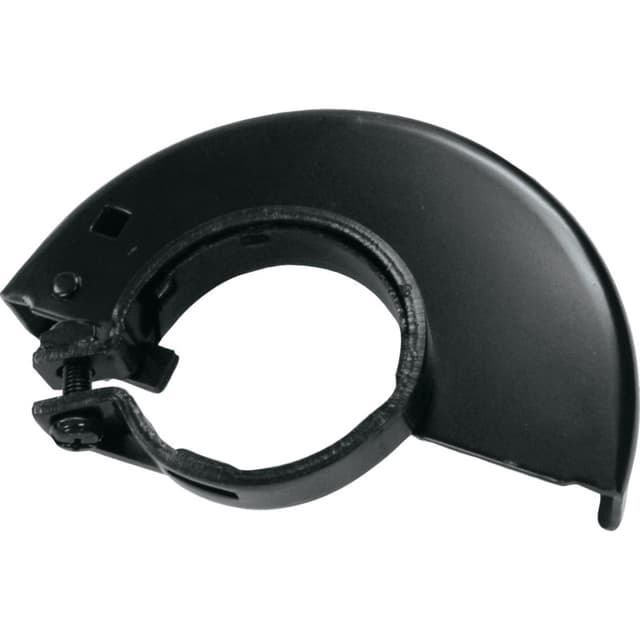
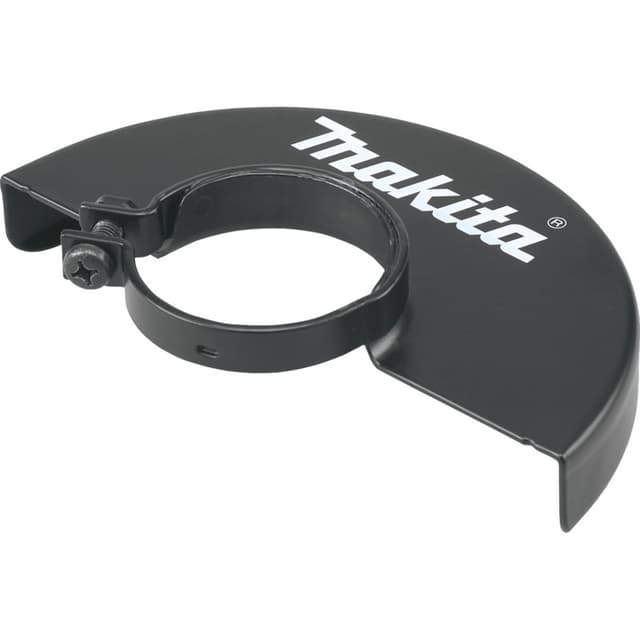
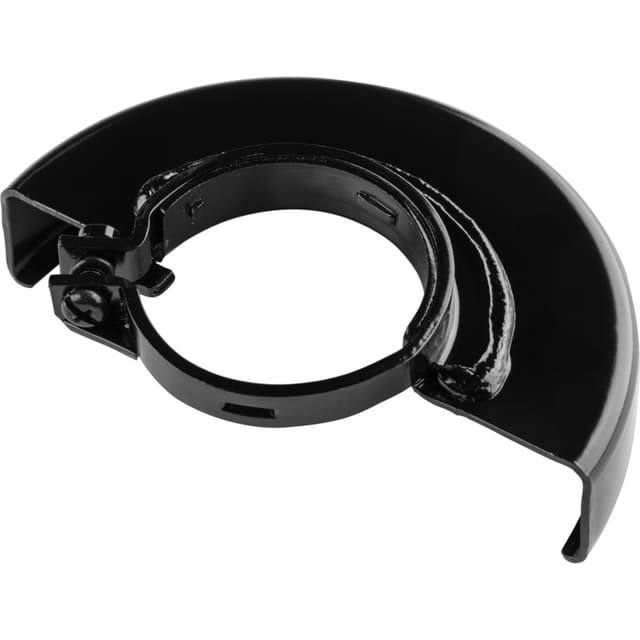
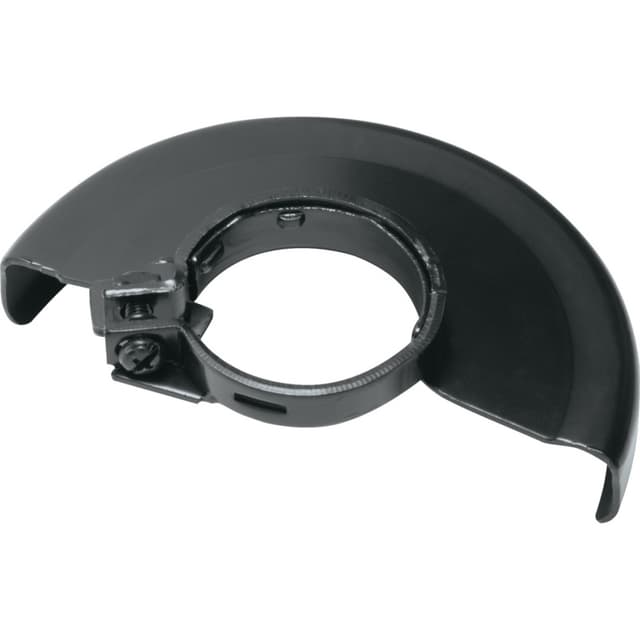
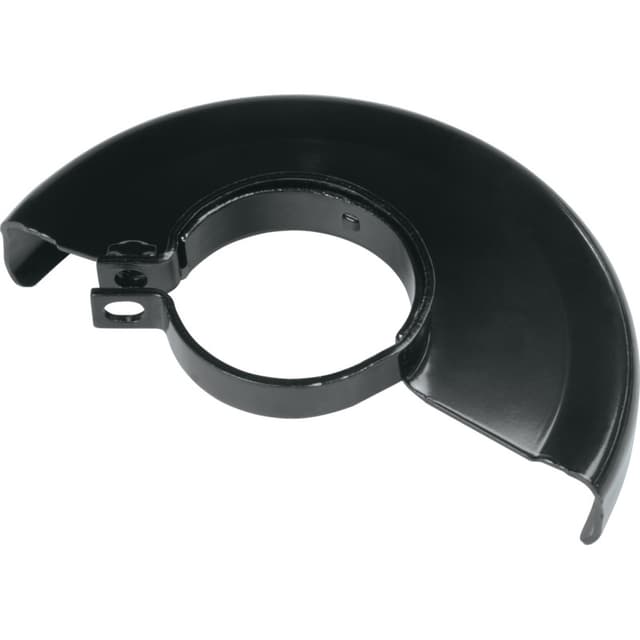
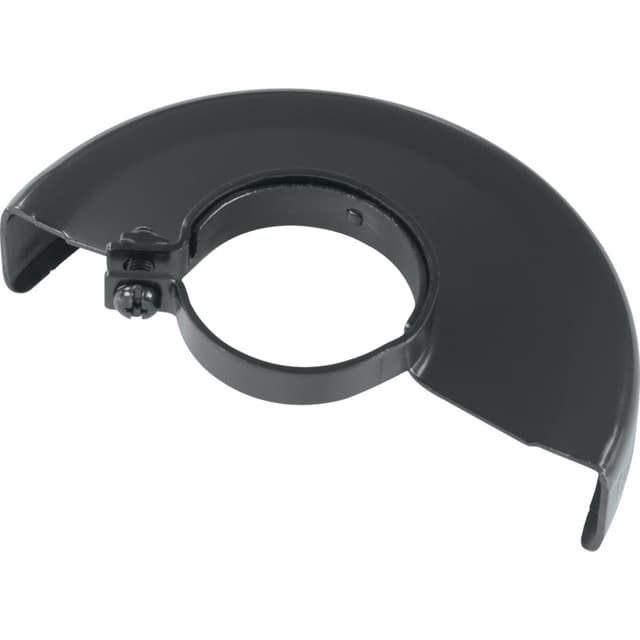
Leave the guard in place, grip the tool with both hands and confirm the wheel's rated speed meets or exceeds the tool's speed before you start. Protect your eyes with safety glasses and a full face shield, add hearing protection and gloves, and aim sparks away from sawdust piles and solvent cans.