What size air compressor do I need for nailers?
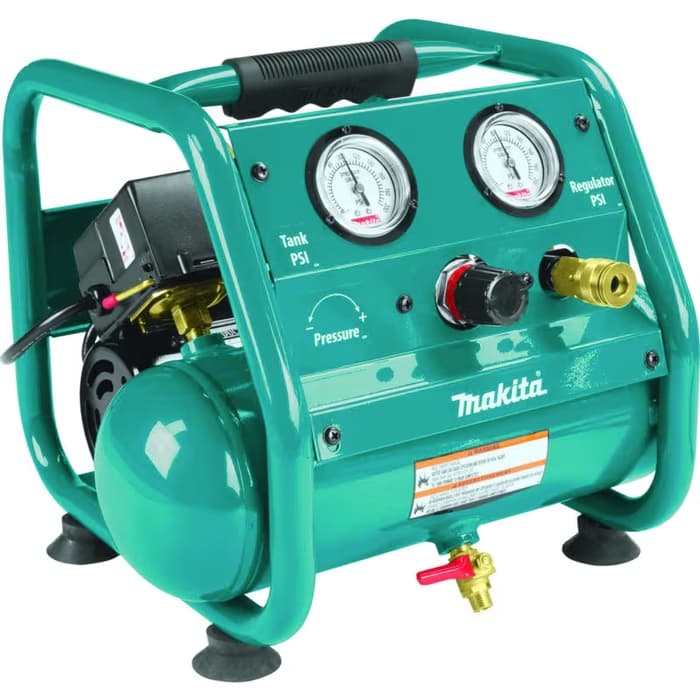
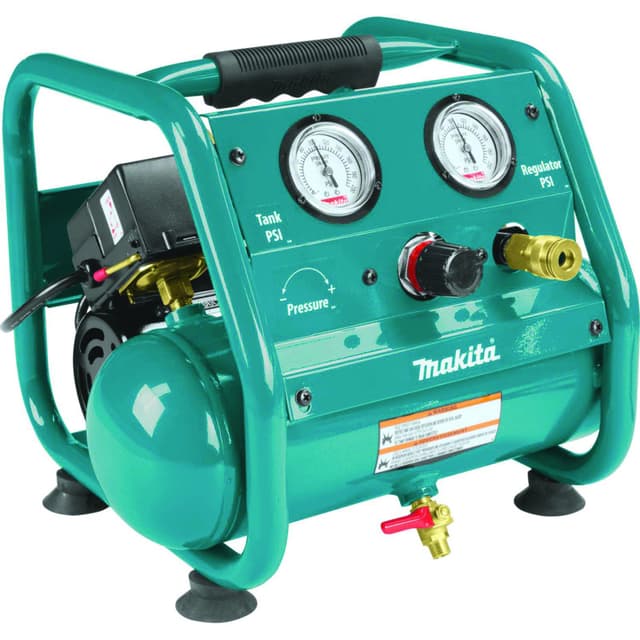
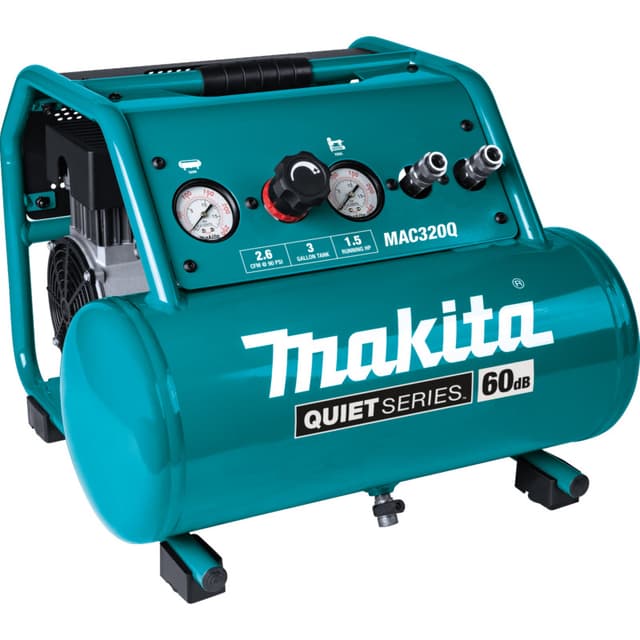
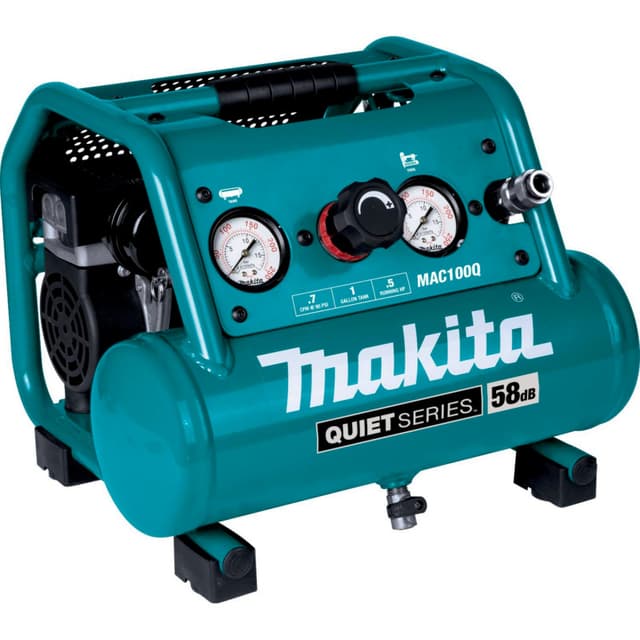
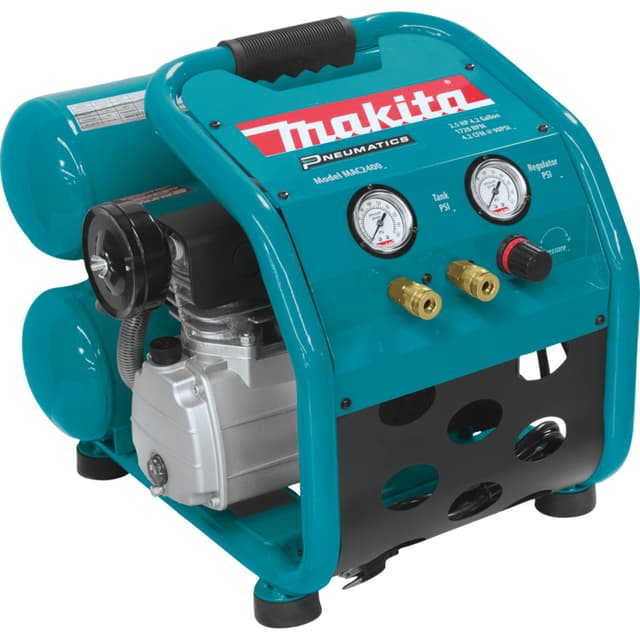
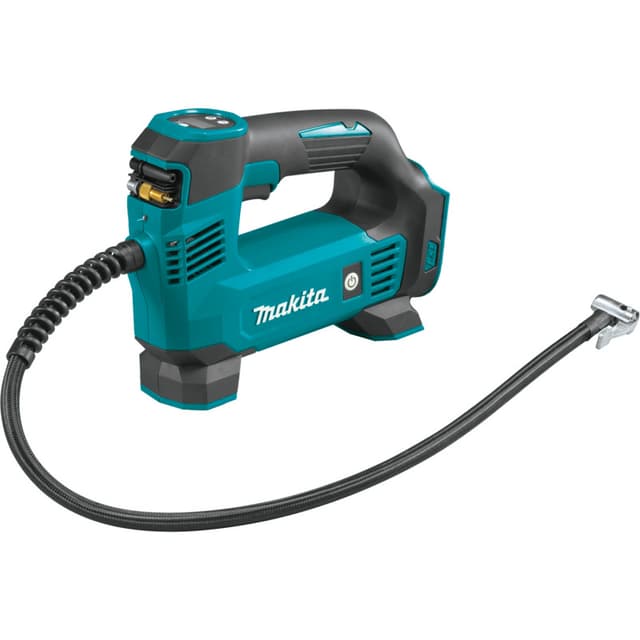
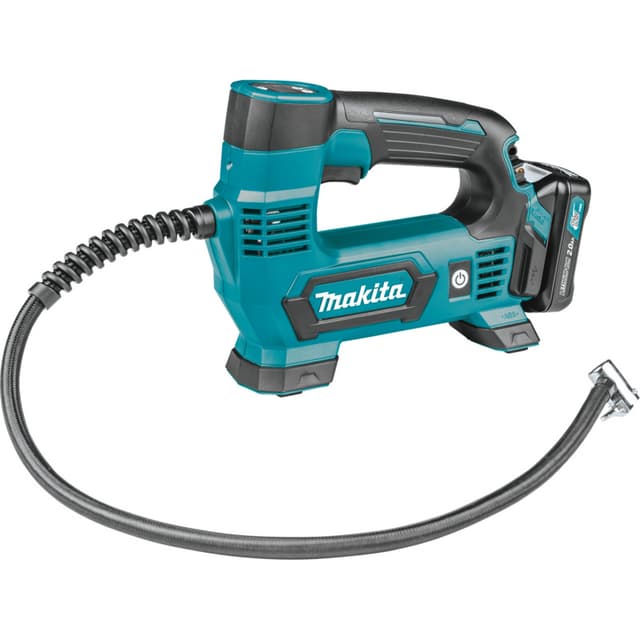
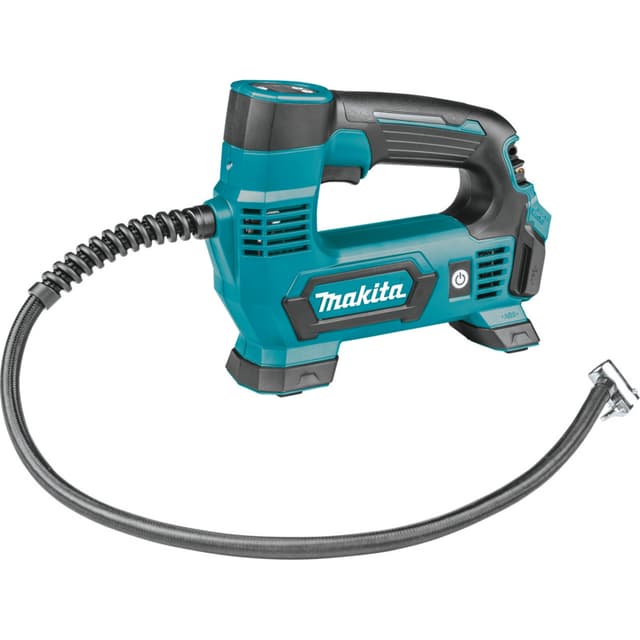
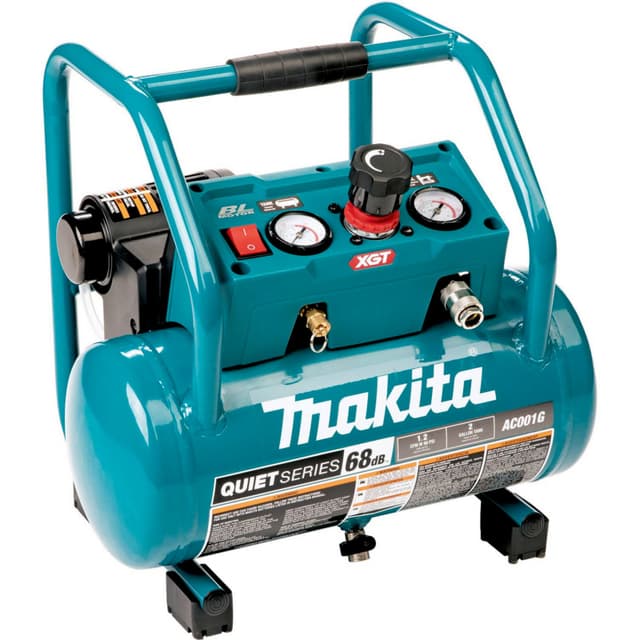
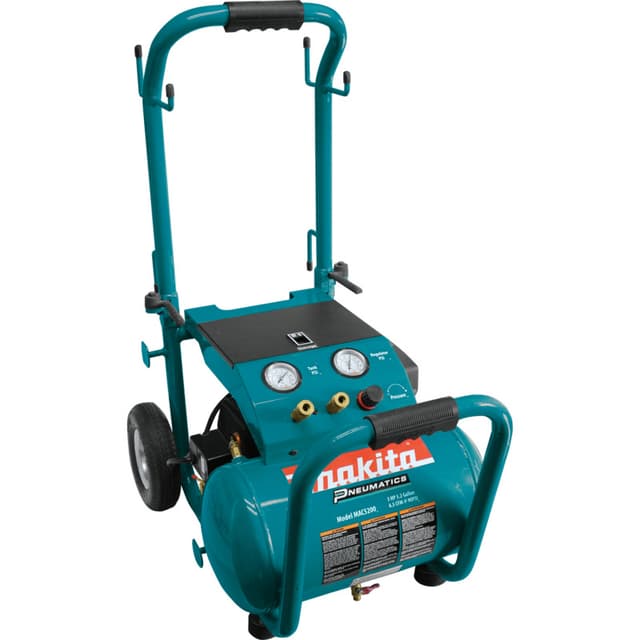
Finish nailers and pinners use little air, so a small, portable compressor handles them. For framing nailers, several tools at once or spray finishing, look for a larger tank and higher CFM. Match the compressor's CFM at 90 PSI to the total of all tools you'll run at once.
Should I choose an oil-free or oil-lubricated model?
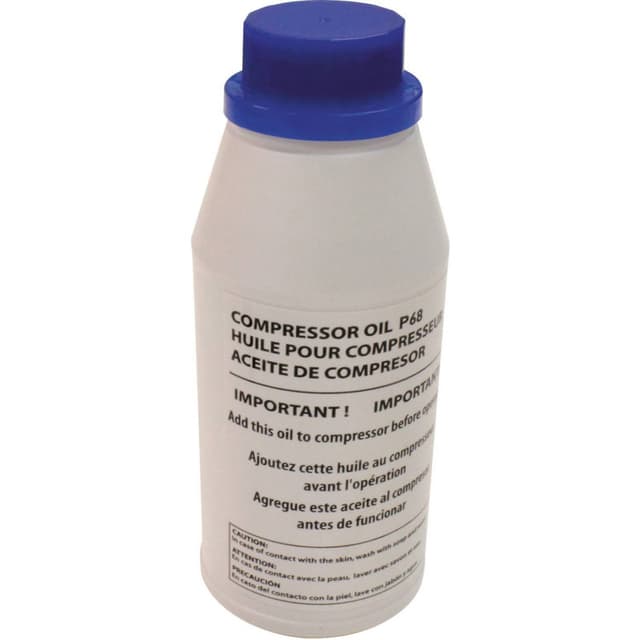
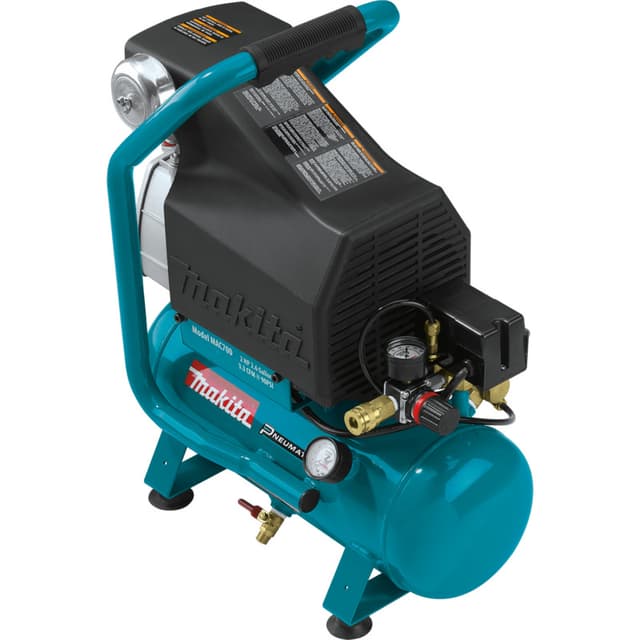
Oil-free compressors need less maintenance and don't add oil to the air line, which matters for finishing. Oil-lubricated models often run quieter and hold up well under heavy use, but they need regular oil checks.
How does a quiet compressor help in a shop or occupied home?
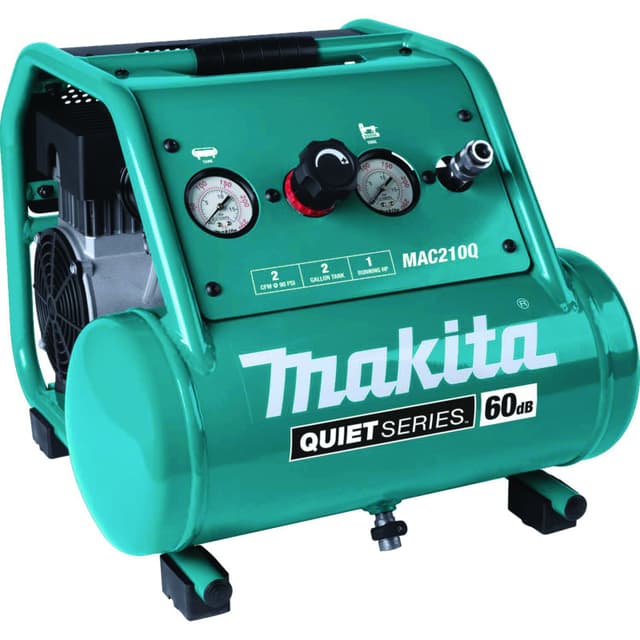
A low-noise compressor makes it easier to talk, hear warnings and work in occupied homes without disturbing people. It also cuts operator fatigue over a long day. In a small shop, a quiet unit can sit closer to the bench, so you need less hose and lose less pressure on the way to the tool.
How often should I drain my compressor tank?
Drain the tank after each use to remove the water that collects from compressed air. Water left inside causes rust and can send moisture into tools and finishes. Open the drain valve with the tank at low pressure, tip the unit slightly toward the valve, and leave the valve open until only air comes out.
How do I keep moisture and oil out of my air for spray finishing?
Install a water separator and filter close to the spray gun, and drain the tank after each session. With oil-lubricated compressors, add a coalescing filter that traps fine oil mist before it can reach the finish. Long hose runs let air cool and drop moisture, so put the final filter at the gun end.