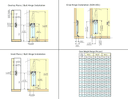
HDS-10HR/BLK Soft-Down Stay For Flap Doors
HDS-10HR/BLK soft-down stay from Sugatsune America is the right side of a cabinet stay system for a downward-opening flap door, so it supports doors that swing down instead of up. As part of the HDS-10 Series, this heavy duty soft-down stay is designed to control the door motion, which helps create a more controlled opening and closing action on work surfaces and tables. The stay is described as down open and right, so it is positioned on the right-hand side of the cabinet layout when viewed from the front. The product is classified under lid supports and stays, which means it is intended to support and hold flap or lid-style doors in everyday cabinet use. By using this specific right-hand stay, installers match the manufacturers part number HDS-10HR/BLK for repeatable sourcing on future jobs.
Key HDS-10 Heavy Duty Stay Advantages
- The web description states that the HDS-10 right side of cabinet stay is used for a downward-opening flap door, which aligns the motion with workstations or cabinets that need a drop-front access panel for comfortable reach into the interior.
- The description notes the HDS-10 is heavy duty, which indicates it is built for higher door weight applications and is suited to more demanding flap doors on work surfaces and tables.
- The HDS-10 is designed to hold the door in the closed and opened position, so the flap remains stable when shut and when fully open, which is important for hands-free access while working inside the cabinet.
- The stay can be used with piano, butt or drop hinges, giving flexibility in hinge choice so installers can match existing hinge styles or standard shop hardware without changing the overall door construction.
- The product is identified as a lid support and stay, which signals its role as the primary support hardware for the door motion, helping coordinate hinge action and door balance on downward-opening fronts.
Mounting HDS-10 Soft-Down Stay On Right Side
The HDS-10 heavy duty lid stay is specified as the right side of cabinet stay, which means it is installed on the right side of a downward-opening flap door to control motion on that side. It is intended for doors that open downward, so it works in assemblies where the hinge line is at the bottom and the door front swings down to horizontal or near-horizontal. Because it is used with piano, butt or drop hinges, it integrates into traditional hinge lines along the bottom edge, which lets the stay handle the controlled motion while the hinge provides the pivot. With HDS-10 designed to hold the door in both closed and opened positions, correct positioning on the right side is important so the door rests firmly against stops when shut and remains supported when open.
Using This HDS-10 Stay In Cabinet Projects
Right-Side Support For Downward-Opening Flaps
This Sugatsune HDS-10 right stay is specified for a downward-opening flap door, so it fits projects where the door front drops down to create access for equipment, storage, or work surface extensions. Being the right side of cabinet stay, it is matched to the right-hand side of the cabinet, creating a defined layout when designing pairs for balanced support on wider doors. The category listing under work surface and tables and lid supports and stays highlights its role in lift systems and flap fronts that function as lids or fronts, so it suits applications where a stable open position keeps the door from drifting while work is performed. When paired correctly, the right stay works with its counterpart to share torque from the door height and weight.
Tuning Door Torque With HDS-10 Torque Formula
The HDS-10 literature states a torque calculation of Torque = Door Height x 1/2 x Door Weight, which gives a direct way to relate door size and mass to the stay selection. This formula ties the cabinet door height and weight into a single torque value, which matters when determining how much support the lid stays must provide so the door moves in a controlled way. Because the HDS-10 is described as heavy duty, applying the torque formula helps align the door design to the stay capacity by considering taller or heavier fronts. In practice, using the torque relationship supports consistent motion between multiple cabinets on the same job, since doors built to similar torque values behave more uniformly when opened and closed on HDS-10 stays.
Common Questions About Sugatsune HDS-10 Right Stay
What type of door is the HDS-10HR/BLK designed for?
The HDS-10HR/BLK soft-down stay is designed for a downward-opening flap door, so it supports fronts that swing down to provide access or a work surface.
Where on the cabinet does this HDS-10 stay mount?
The HDS-10HR/BLK is described as the right side of cabinet stay, so it mounts on the right-hand side of the downward-opening flap door assembly.
How does the HDS-10 stay hold the door during use?
The HDS-10 is designed to hold the door in the closed and opened position, keeping the flap stable when shut and when fully open during cabinet access.
Which hinges work with the HDS-10HR/BLK soft-down stay?
The web description notes that the HDS-10 stay is used with piano, butt or drop hinges, so it integrates with these common hinge styles on downward-opening doors.
What does the HDS-10 torque calculation describe?
The HDS-10 torque formula, Torque = Door Height x 1/2 x Door Weight, relates flap size and weight to the torque demand placed on the stay system.
Who manufactures the HDS-10HR/BLK right soft-down stay?
The HDS-10HR/BLK right heavy duty soft-down stay is manufactured by Sugatsune America, identified under their HDS-10 Series of lid supports and stays.
Select The Correct HDS-10HR/BLK For Your Door
The Sugatsune HDS-10HR/BLK soft-down stay provides right-side support for a downward-opening flap door, tying hinge choice and door motion into a single heavy duty solution. The defined torque calculation, Torque = Door Height x 1/2 x Door Weight, links your door dimensions directly to stay demand, which simplifies planning for consistent motion across similar cabinets. For cabinetmakers and installers building work surfaces, tables, or drop-front access panels, the HDS-10 designation and right-hand orientation offer a clear, repeatable specification to use whenever this same door style is required.