What is the difference between flap wheels, non-woven wheels and bonded wheels?
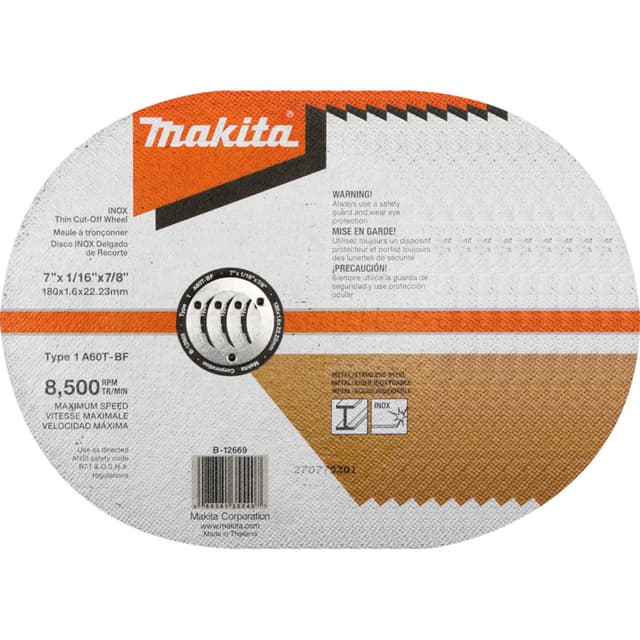
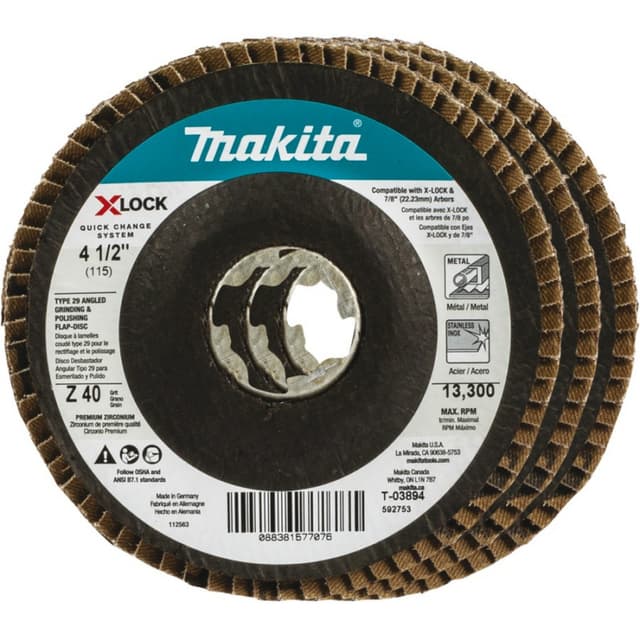
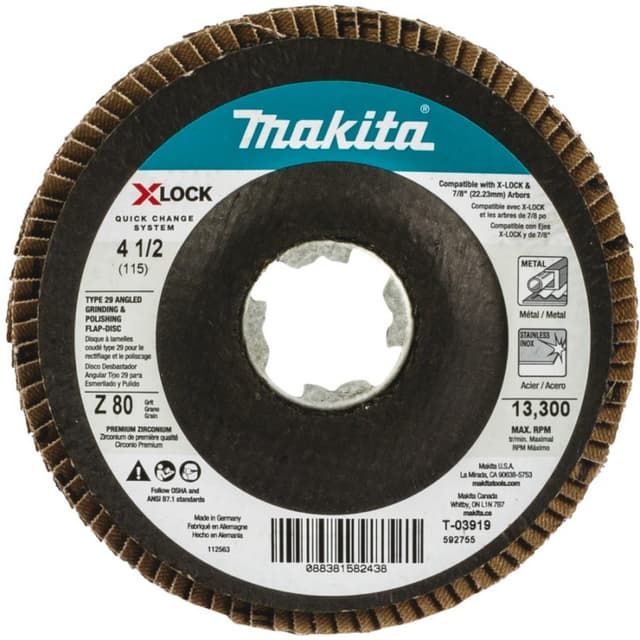
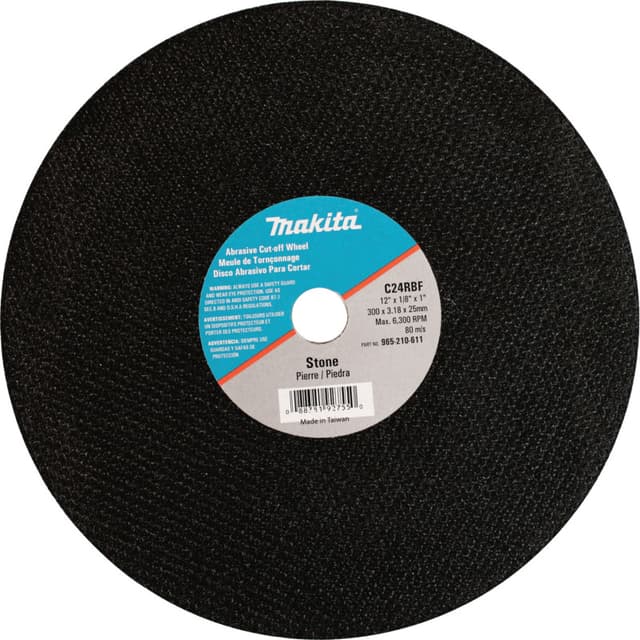
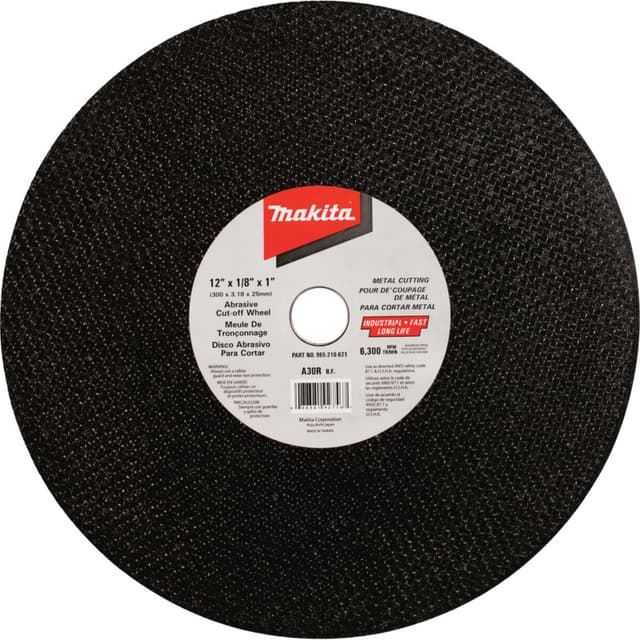
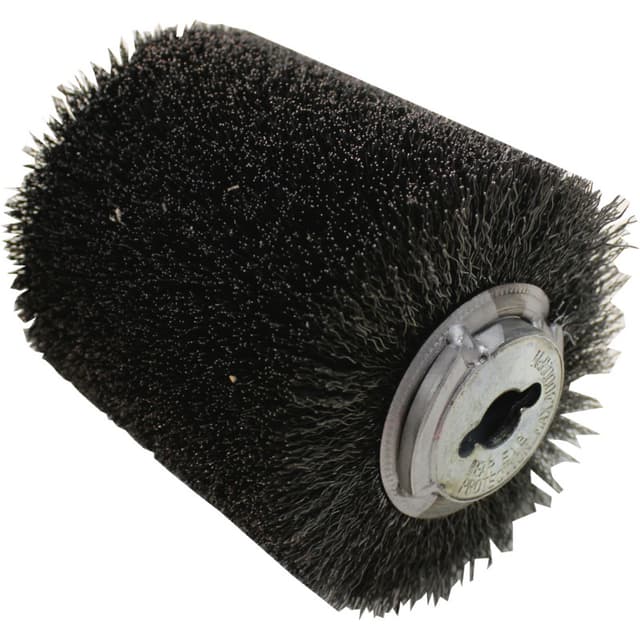
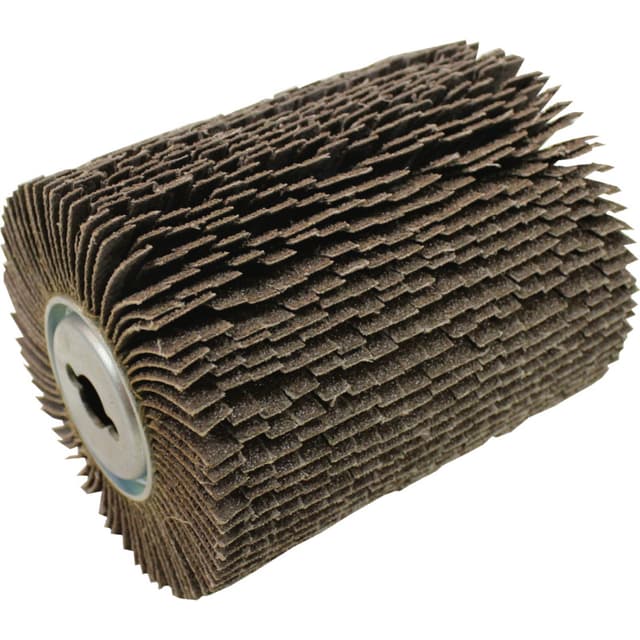
A flap wheel has overlapping strips of coated abrasive on a hub, so it sands and shapes like a flexible belt that wears down to fresh mineral. A non-woven wheel is a fiber web with abrasive locked in, so it won't clog like paper and suits cleaning, deburring and blending. A bonded wheel is a solid, rigid wheel made for grinding.
What do I check before mounting an abrasive wheel?
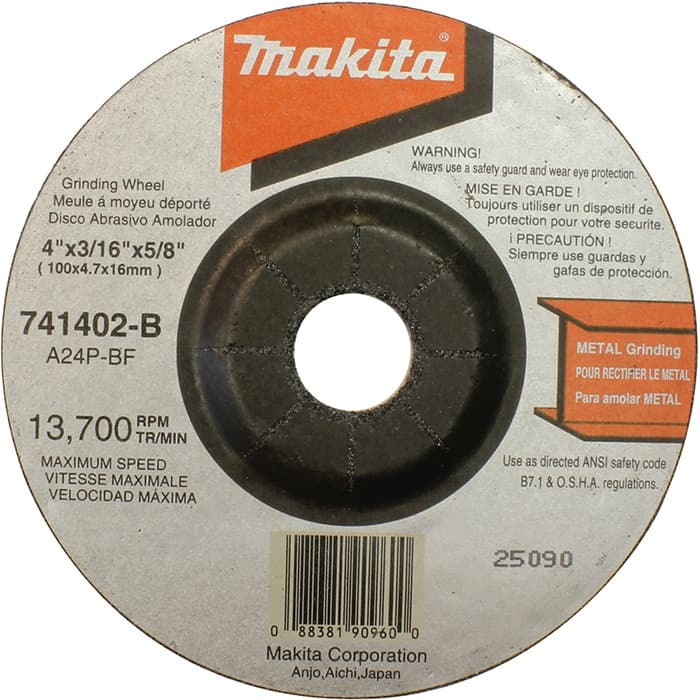
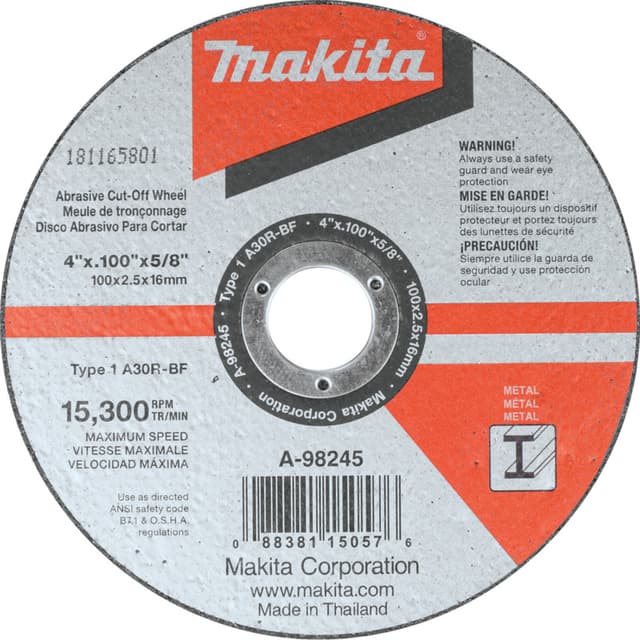
Check that the wheel's arbor hole and diameter fit the tool and that its maximum RPM meets or exceeds the tool's top speed. Inspect the wheel for cracks, chips or loose flaps, and use the flanges and guard the tool maker specifies. Never force a wheel onto a shaft that does not fit.
How do abrasive wheels speed up contour sanding?
A flap wheel conforms to curves as the flaps flex, so it sands shaped parts that a flat pad or belt would flatten. Because the flaps wear away and uncover new abrasive, the cut stays steady through the life of the wheel. That trims the hand work needed on carvings, coves and turned parts.
How do I keep abrasive wheels from loading with wood resin?
Use light pressure and keep the wheel moving, because heat softens resin and finish and smears them into the abrasive. On gummy woods and finishes, a non-woven or open-structured wheel resists clogging better than a dense one. Clean buildup off early, before it hardens, and retire the wheel when cleaning no longer helps.
How do I know when to replace an abrasive wheel?
Replace a wheel when it is cracked, chipped, worn close to the hub, out of balance or no longer cuts after cleaning. A flap wheel with short, ragged flaps leaves an uneven surface and can let the hub touch the work. Never use a wheel that was dropped and shows damage; inspect it each time you mount it.