Which air line components do I need between the compressor and my tools?
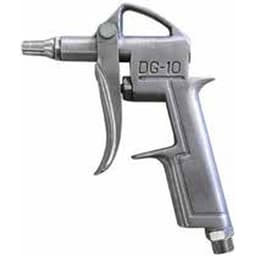
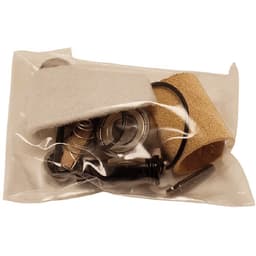
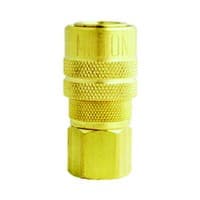
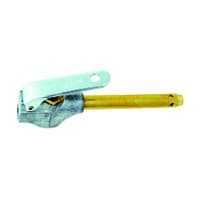
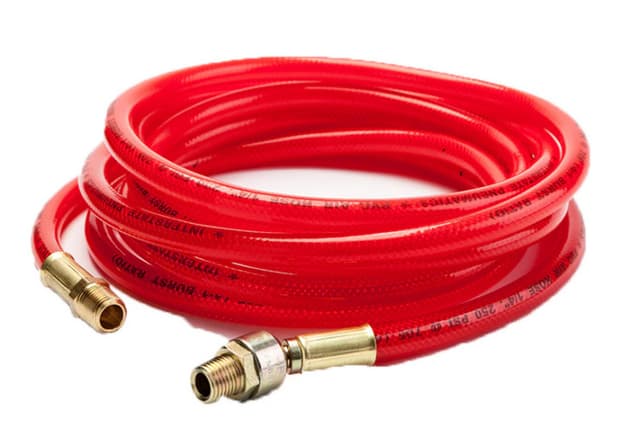
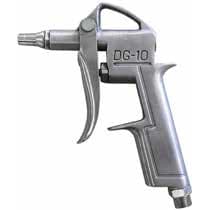
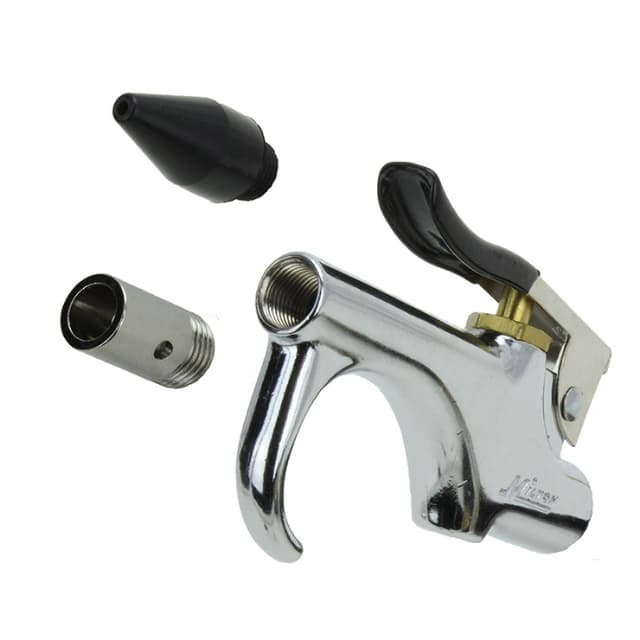
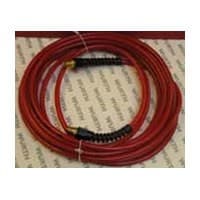
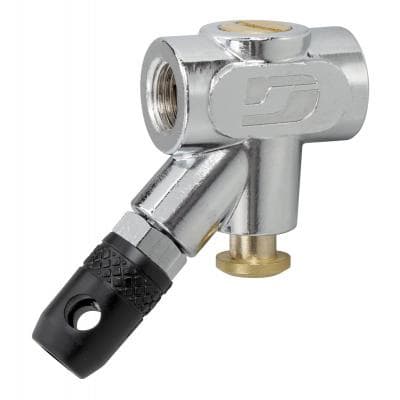
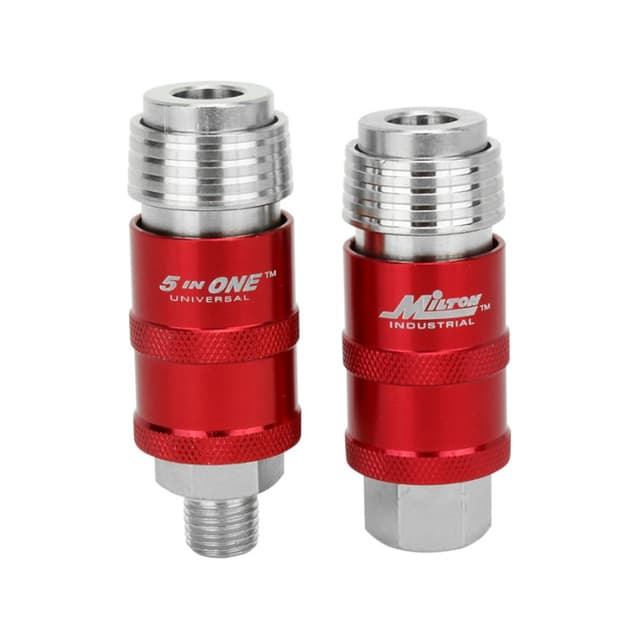
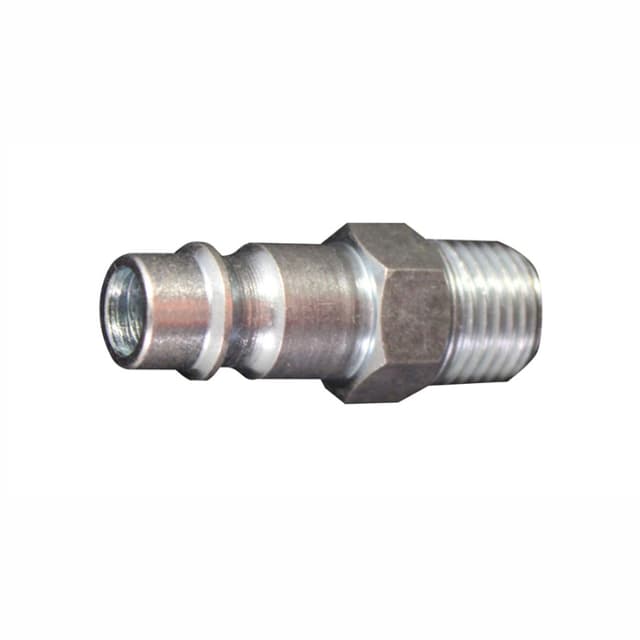
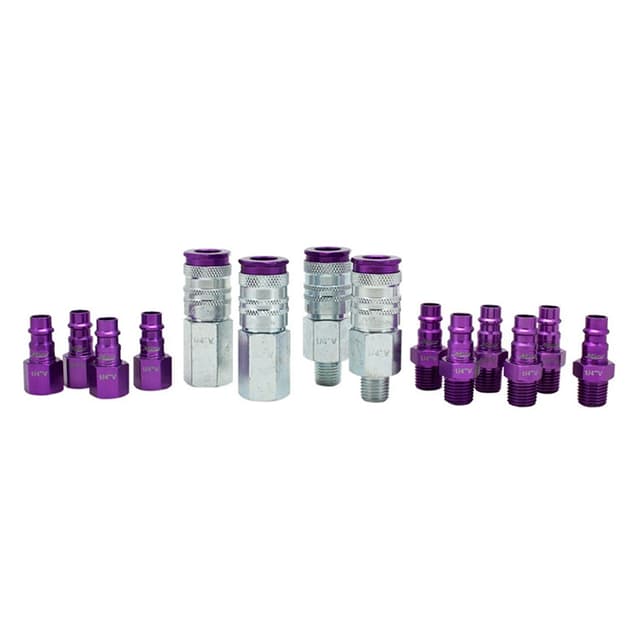
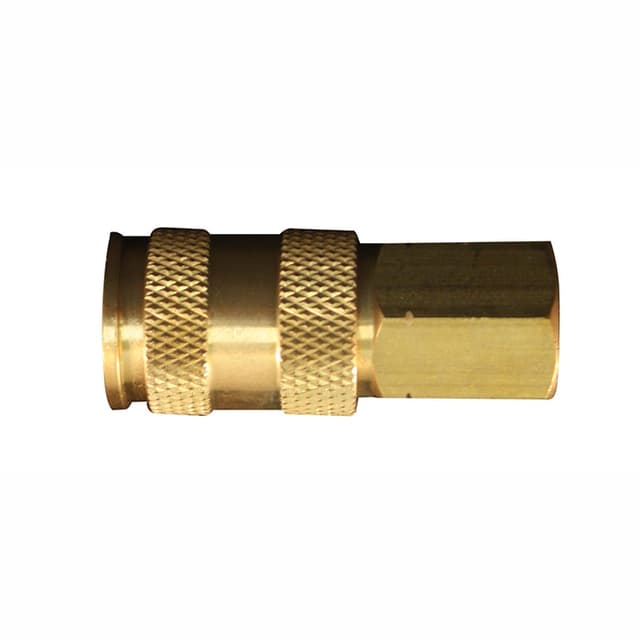
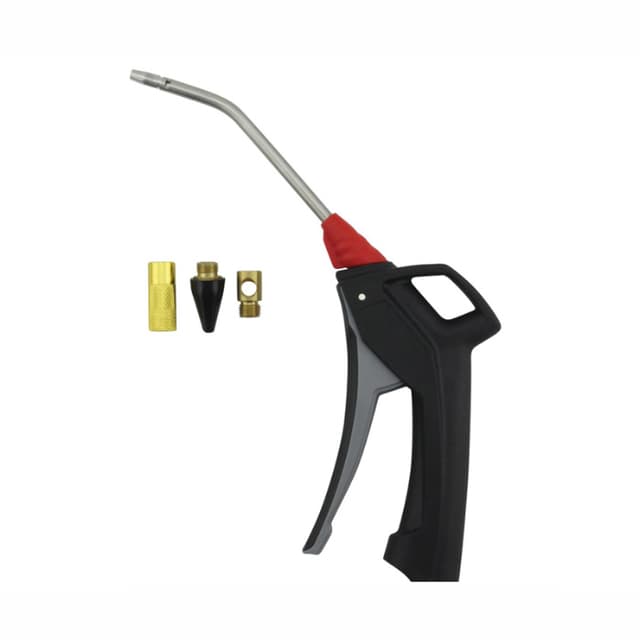
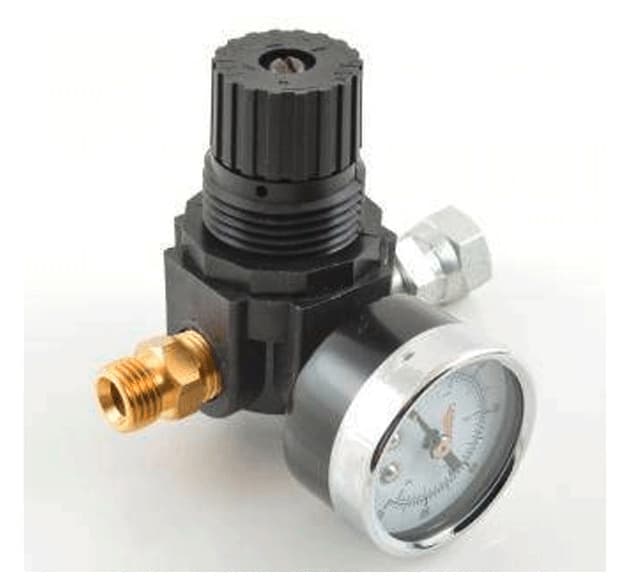
A typical setup runs from the compressor through a filter and regulator, plus a lubricator for tools that need oil, then through hose or hard piping to quick-connect fittings at each drop. Blow guns and accessories attach at the end. Plan the layout so each tool gets clean air at the pressure it needs.
When does a hose reel make more sense than loose hose?
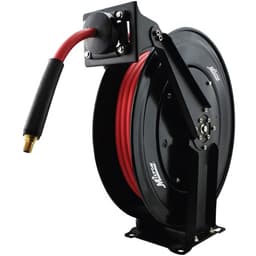
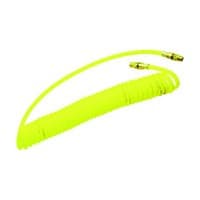
A reel makes sense at fixed workstations where hose gets pulled out and put back many times a day, since it keeps the hose off the floor and out of the way. Loose hose suits portable compressors and job sites where the setup changes often. Many shops use both.
How do air line filters and drains help prevent finish defects?
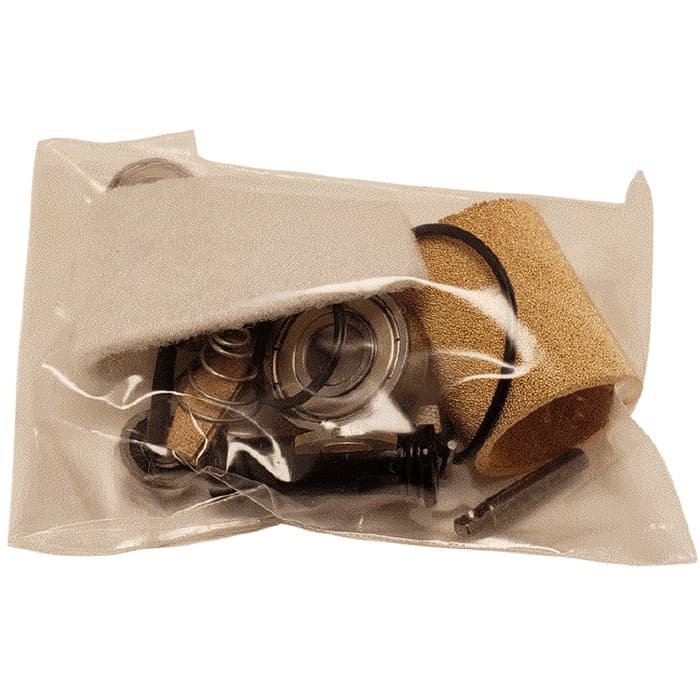
Compressed air carries water and oil that can spit out of spray guns and blow guns onto the work. Filters and drains catch them first, so you avoid fisheyes, blushing and spots in the finish. That saves sanding back and respraying parts.
How do I set up air drops so water stays out of my tools?
Take each drop off the top of the main line with a loop or tee, so water running along the bottom of the pipe doesn't flow down to the tool. Slope the main line slightly toward a drain, and add a drain leg with a valve at the bottom of each drop. Drain the compressor tank regularly too.
Should I use hard piping or hose for a shop air system?
Use hard piping made for compressed air, such as steel, copper or an aluminum air piping system, for permanent runs along walls and ceilings, and use hose only for the final connection to the tool. Never use PVC pipe for compressed air, because it can shatter under pressure. Follow the piping maker's installation instructions.